












Built for the jobs a full-size saw cannot reach
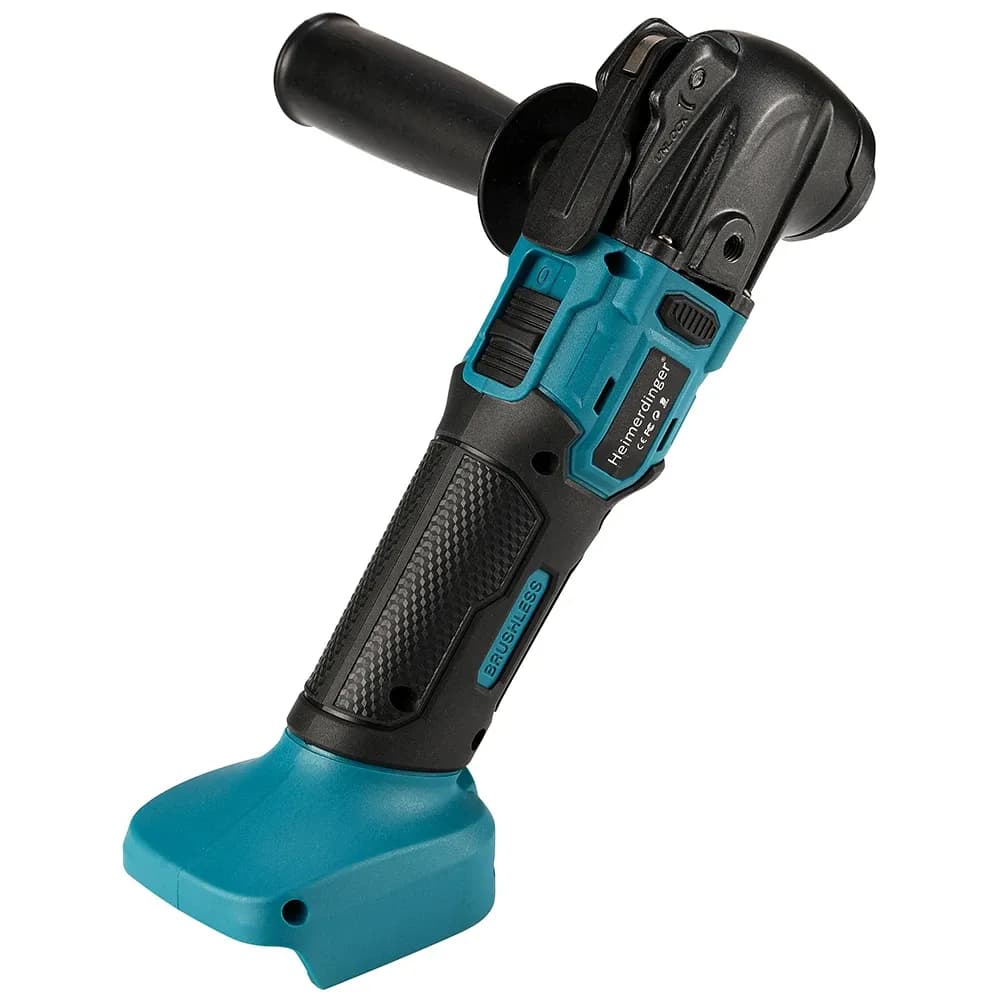
This Prostormer oscillating multi-tool solves a common renovation problem: cutting, trimming, and scraping in places where a circular saw or jigsaw feels too large. For skirting boards, drywall cut-outs, door jamb adjustments, and grout touch-ups, the compact head is the real advantage.
Prostormer has built a solid reputation in the AliExpress UK tools niche by focusing on straightforward, work-ready kits rather than gimmicks. The brand usually lands in the sweet spot between budget tools and workshop-grade equipment, which is exactly where this model tries to sit.
15,000–22,000 rpm: what that speed range changes
The 15,000–22,000 r/min range gives you enough control to move from delicate trimming to faster material removal. Lower speeds are useful when you want a cleaner cut line in wood or drywall, while the upper range helps the blade bite more confidently into tougher sections.
That said, oscillating tools are about precision more than brute force, so the benefit is steadiness rather than raw aggression. Users looking for a substitute for a hand saw may find it underwhelming, but for flush cuts and detail work, the motion is exactly what makes it useful.
What the mains-powered design means on site

Because this model uses no battery, you avoid the weight and charging pauses that come with cordless renovation tools. That makes it more comfortable for longer sessions, especially when you are working through several small tasks in one room.
The trade-off is obvious: you need a socket nearby, so it is less flexible than a cordless multitool on a ladder or in a loft. For indoor decorating and workshop use, though, the constant power feed is a practical advantage that many DIY users will notice quickly.
Where it fits best in home DIY
This is the kind of tool that earns its keep during finishing work, not heavy demolition. It is well suited to trimming installed wood, opening neat access points in plasterboard, and sanding awkward corners where a larger sander cannot sit flat.
It can also help with small repair tasks around flooring edges or kitchen fittings, where a controlled plunge cut is safer than forcing a larger saw into position. If your projects are mostly cosmetic and repair-focused, the tool’s format makes more sense than a general-purpose saw.
What the user feedback suggests

Real customer feedback is generally positive, with a 4.6/5 average from 30 reviews and an 87% positive rate. Users often describe it as good value for home DIY, and several mention clean results on wood and drywall, which matches the tool’s intended use.
The mixed notes are also useful: some users report that higher settings bring more vibration and noise, while cutting force can feel limited on tougher material. That tells you this is a precision renovator for controlled work, not a heavy-duty replacement for a corded saw, and that distinction matters.
How to get the best results from PTET1010
The best results usually come from letting the oscillation do the work instead of pushing hard against the material. A light hand improves cut quality, reduces hand fatigue, and helps the blade stay aligned on flush cuts.
For cleaner edges, start at a lower speed and step up only when the blade has a stable bite. That approach is especially useful on painted trim and drywall, where too much speed can leave a rough finish before the next stage of decorating.