









When you need a spare access token that just works
This RFID keyfob set solves a very specific problem: replacing or expanding a 125KHz access system without dealing with writable chips or complex setup. Each token is pre-programmed with a unique ID, so it behaves like a standard proximity credential rather than a clone or blank tag.
That makes it practical for office doors, shared entrances, parking barriers, and attendance terminals where the reader only needs to recognise a fixed ID. If your controller already supports TK4100 or EM4100 formats, the setup can be almost instant, which is the real appeal here.
125KHz read-only format: why compatibility matters
The biggest detail is also the biggest limitation: this is a read-only 125KHz tag, so it cannot be rewritten. In practice, that is useful for systems that issue permanent IDs, but it is the wrong choice if you need programmable or multi-use cards.
Users who left positive feedback often mention that the product matches the description and works as expected, while the negative reports point to compatibility issues rather than build quality. That pattern suggests the keyfobs are reliable when matched to the right reader, which is exactly where many access-control mistakes begin.
ABS shell and keyring design for everyday carry
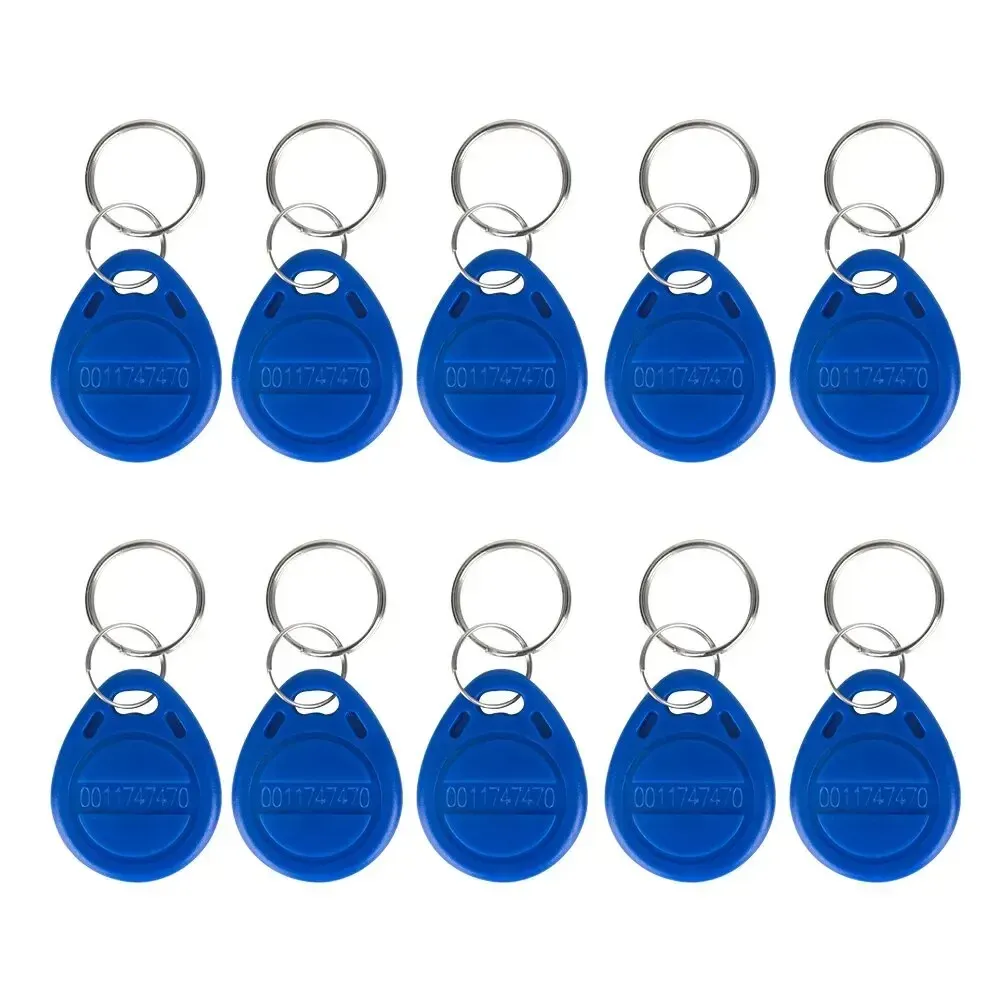
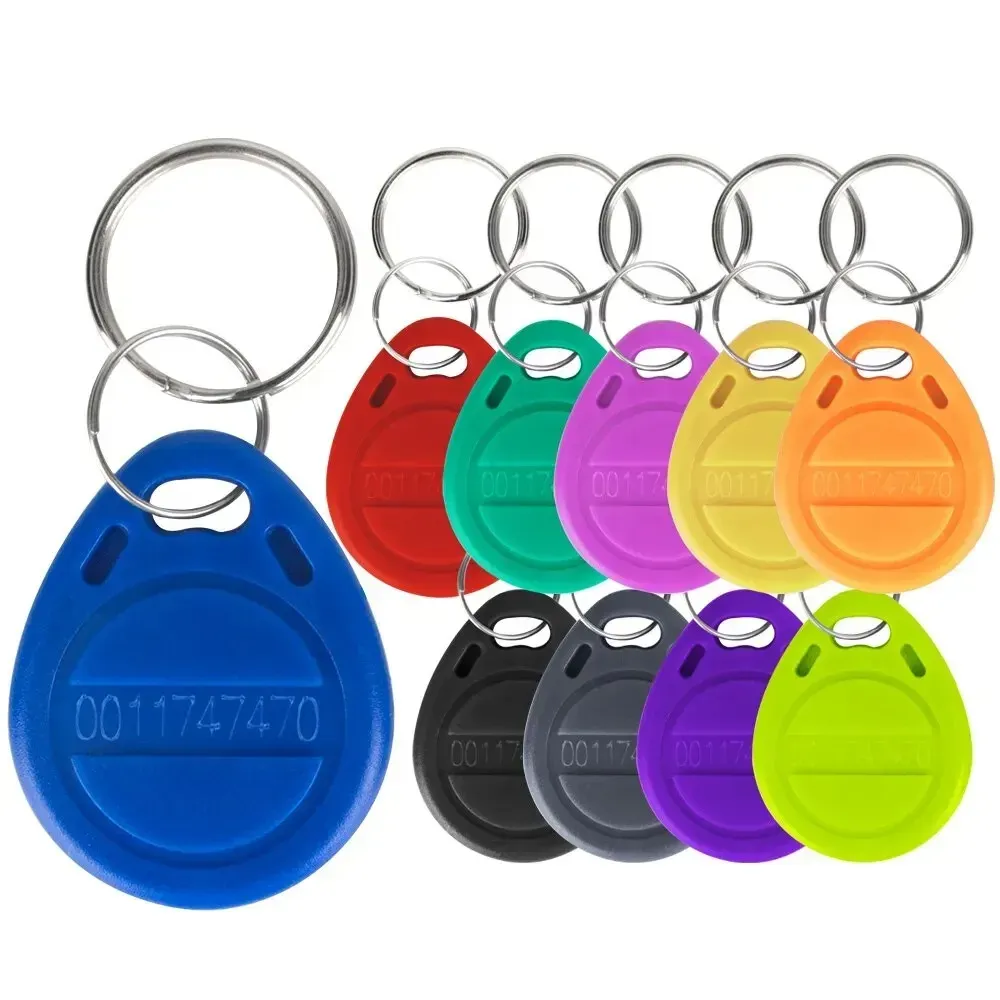
The ABS body keeps the token light, rigid, and resistant to the kind of scuffs that come from daily pocket or bag use. At roughly 43.7 x 30.5 x 5.3 mm, it has the familiar teardrop keyfob shape that sits comfortably on a ring without feeling bulky.
Each piece includes a keyring, so the set is ready to distribute straight away across staff, tenants, or family members. The mixed colours also help with quick visual sorting, which is useful when several users share the same access point and you want a faster way to identify tokens.
Read range and response speed in real use
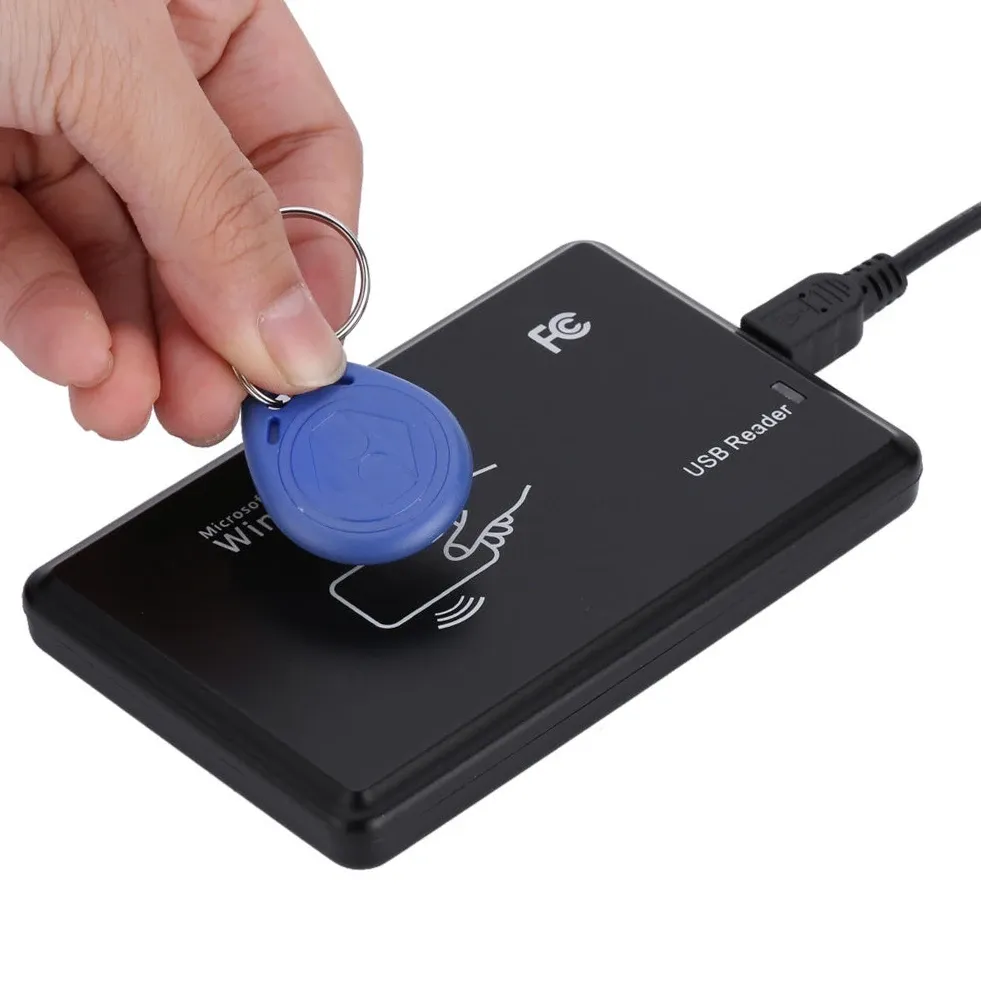
The claimed sensing distance of 0-5 cm is typical for this class of low-frequency proximity token, where close contact or near-contact scanning is normal. That short range is actually an advantage for controlled entry, because it reduces accidental reads from nearby items.
With a stated read time of 0.2 ms, the token should feel immediate at the reader, which matters at busy doors or time-clock stations. If your current system feels sluggish, the improvement is usually in the reader rather than the token, so this spec is best read as a sign that the tag is not the bottleneck.
What the review data suggests about value

The store rating sits at 4.4 out of 5 from 66 reviews, which is solid for a low-cost access accessory. At this level, customers seem to value the combination of pre-programmed IDs, quick delivery, and the low-friction replacement path for existing 125KHz systems.
The main caution is not quality but fit: one incompatible reader can make the whole set look faulty. If your hardware already accepts TK4100 or EM4100 credentials, this is a tidy, economical way to keep spares on hand without overcomplicating the system.
Best use cases for this token set
This set is most effective where access control is already standardised and you need multiple identical-format credentials at once. It suits landlords, small offices, workshops, and shared facilities that want a simple replacement route rather than a configurable smart-card workflow.
Because the tags are waterproof and rated for -40 ℃ to 85 ℃, they are also sensible for gate-side use or outdoor storage lockers. The real question is not whether they are elaborate, but whether your reader is the right match for a fixed-ID 125KHz token.