









5YOA’s practical approach to RFID duplication
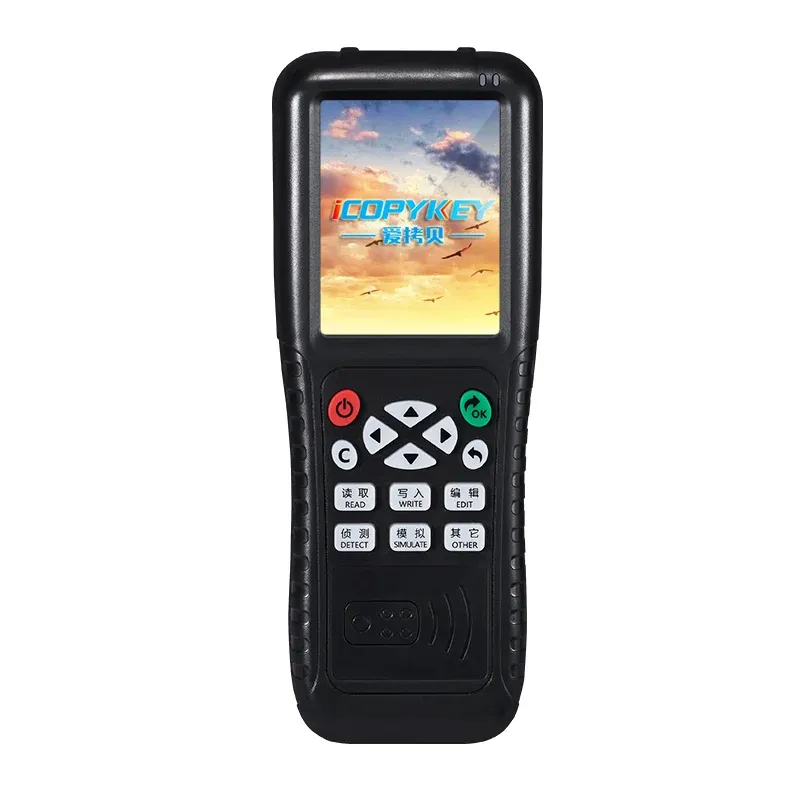
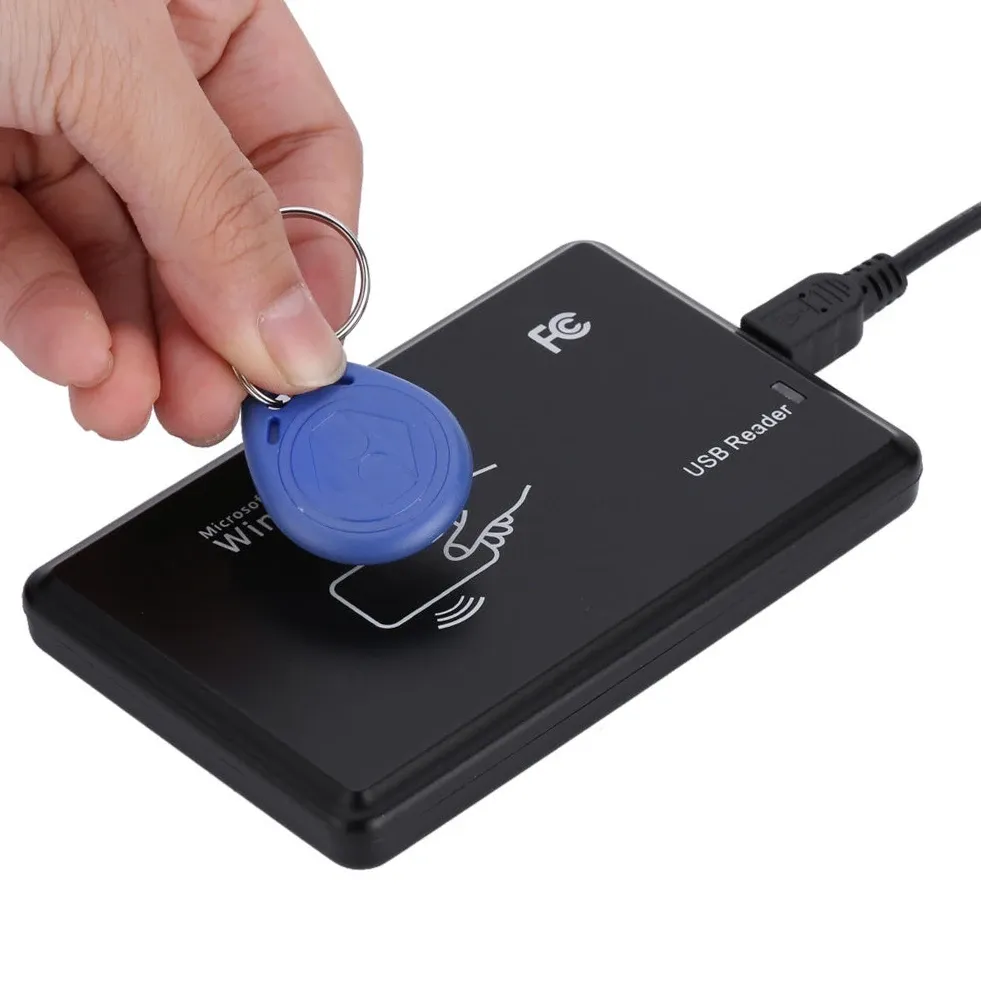
5YOA has built a solid reputation in the AliExpress UK niche by focusing on tools that do one job with fewer distractions: read, decode, and copy common access media reliably. That approach matters here, because this handheld unit is aimed at technicians and advanced users who want a compact programmer rather than a bulky desktop setup.
The X100-5KeyT57-5CardUID follows that formula closely, pairing a USB interface with handheld convenience and CE certification. It is the kind of device that makes sense when you need quick access to card and key data in the field, so the real question is how much of that promised compatibility holds up in daily use?
What the full decode function changes in practice
The headline feature is the full decode function, which is the difference between a basic reader and a more useful cloning tool. In practical terms, it gives users a better chance of identifying the card type before deciding whether it can be written, copied, or only read for reference.
That matters because the product description itself warns that not every chip is supported, and that is a realistic limitation rather than a flaw. For access-control work, this is the right expectation: the machine is useful when the target card falls within its supported family, but it will not turn every proprietary chip into a writable clone.
125KHz and 13.56MHz support without the clutter

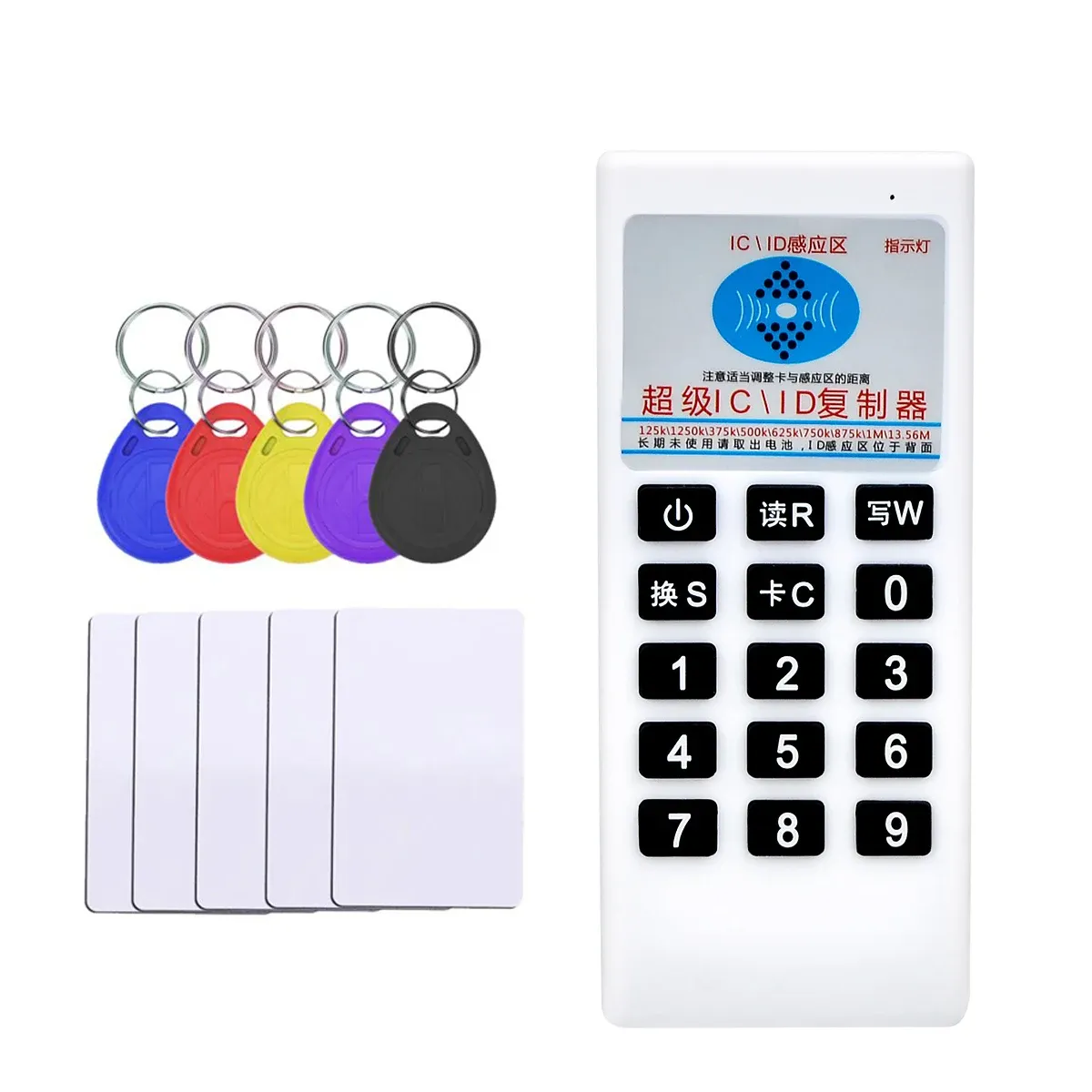
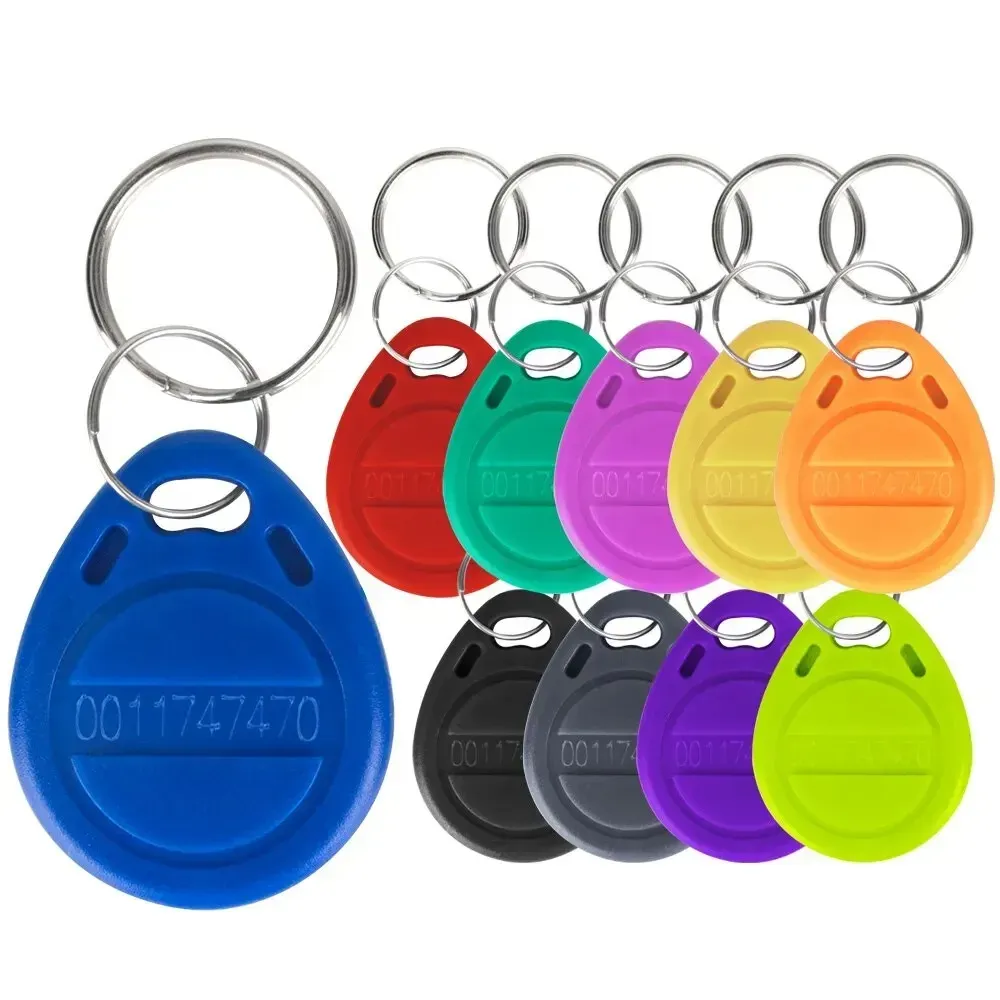
This unit targets both 125KHz and 13.56MHz cards, which is where many AliExpress access tools become genuinely versatile. Support for formats such as IC, MF1, S50, S70, TK4100, EM4100, HID variants, and several GID/SID types gives it a wide working range for common office, gate, and door-control scenarios.
Users looking for a single tool instead of separate low-frequency and high-frequency readers will appreciate that coverage, especially when testing multiple fobs in one session. The catch is that some chips are read-only, so the value lies in broad compatibility and fast identification rather than universal rewriting, which leads naturally to software behavior.
Software support: useful, but not the main attraction
Real customer feedback points to strong copying performance, while also noting that the computer app feels limited for some functions. That is important, because this is not a polished consumer gadget with a guided interface; it is a working tool for people who are comfortable switching between hardware and software workflows.
The included Windows software and Android app make the unit more flexible than a hardware-only copier, yet the best experience will come from users who already understand card types and decode logic. If you want a simpler plug-and-forget reader, this may feel more technical than necessary, so the next point is its physical usability.
Handheld format for field work and bench testing

The compact handheld design is a real advantage when you are moving between doors, test benches, or service calls. USB power and connectivity keep the setup straightforward, and the device should be easier to carry than a larger programming station with separate accessories.
That portability also makes it practical for intermittent use, where a technician only needs to verify a keyfob or duplicate a supported card on demand. The build should suit routine workshop handling, but the real test is whether the supported chip list matches your daily access systems, which is where caution matters.
Who should get the most from it
This is best suited to access-control installers, locksmith-style technicians, and advanced hobbyists who already know the difference between UID, IC, and low-frequency tags. It is less suitable for casual users who want a universal clone tool, because the manufacturer openly states that some chips cannot be supported or written.
For the right user, the value is strong: a £27.99 tool that can handle many common cards, decode them, and work across desktop and mobile software paths. One of the few real-world reviews describes excellent copying quality, which aligns with the product’s core promise, but the limitations around software and unsupported chips remain part of the picture.