









Controlled locking without the bulky hardware
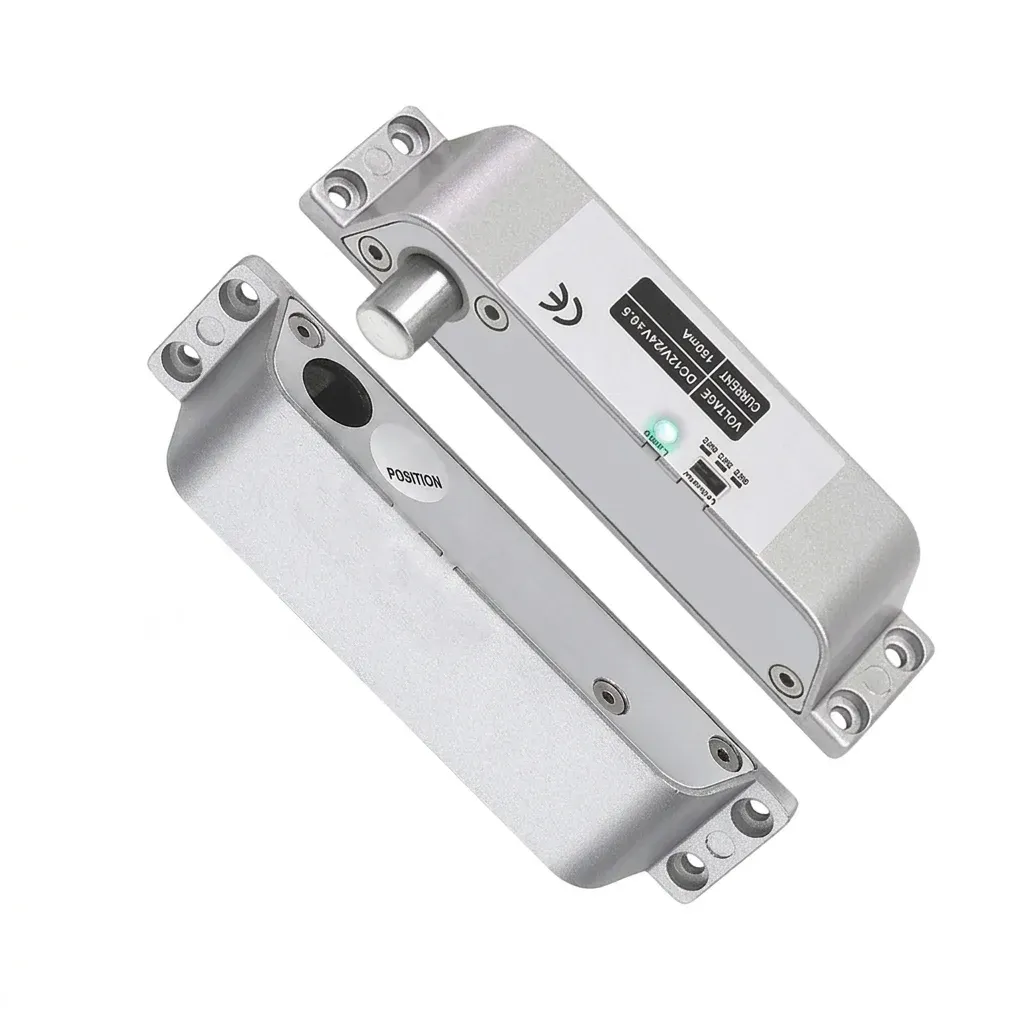
This drop bolt lock solves a common access-control problem: keeping a door secured without adding a visible, heavy-looking mechanism. The HM150M uses a magnetic induction lock mode and a slim 150 x 34 x 28 mm body, so it fits neatly into a door setup where appearance and function both matter.
At £17.39, it sits in the entry-level bracket for electric mortise hardware, yet the spec sheet is more practical than the usual budget listing. The lock is designed for DC12V systems, which makes it a straightforward match for many access-control power supplies and controller boards, but what does that mean in daily use?
Fail-safe behaviour and NC/NO choice
The most important decision here is the operating mode. In NC fail-safe mode, the lock stays secured when powered and releases when power is cut, which is the safer approach for emergency egress and many commercial doors.
The listing also mentions an NO option, which gives installers flexibility when a project needs the opposite behaviour. That matters because the wrong fail mode can turn a useful lock into an awkward retrofit, so checking the wiring plan before installation is the first step worth taking.

Delay settings that change how the door feels
The adjustable 0, 3, and 6-second delay is a small detail that changes the user experience more than you might expect. A short delay can help a door close cleanly before the bolt fully engages, while a longer delay gives people time to pass through without forcing the latch to fight the door closer.
In practice, this makes the lock better suited to controlled entrances, storerooms, and internal access points than to quick DIY replacements. Users who reported feedback kept it simple, with comments like “ok it works” and “good product,” which matches the kind of no-drama performance expected from basic access hardware.
Aluminium alloy body for everyday installations
The aluminium alloy construction should appeal to installers who want a lock body that feels rigid rather than flimsy. It is not a decorative smart lock with app controls or polished trim; it is a functional access component built to sit inside a system and do one job reliably.

That also explains the modest working current figures: 1.2A at start-up and 0.25A in operation. Lower running draw is useful in multi-door projects where power budgeting matters, especially when the lock is part of a larger controller setup with keypads, readers, or intercoms.
Where this lock makes the most sense
This model is especially relevant for wooden and metal doors that need a concealed electric bolt rather than a surface-mounted strike. It is a better fit for access-control integrators, workshop doors, office side entrances, and cabinet-style security projects than for casual home users looking for a plug-and-play smart lock.
CE certification adds a basic layer of reassurance for buyers comparing AliExpress listings, though installation quality will still decide the real-world result. If you are comparing it with a magnetic lock, this bolt-style format can feel more precise and less exposed, which is useful when the door hardware needs to stay visually discreet.