











Why this planer matters in a small workshop
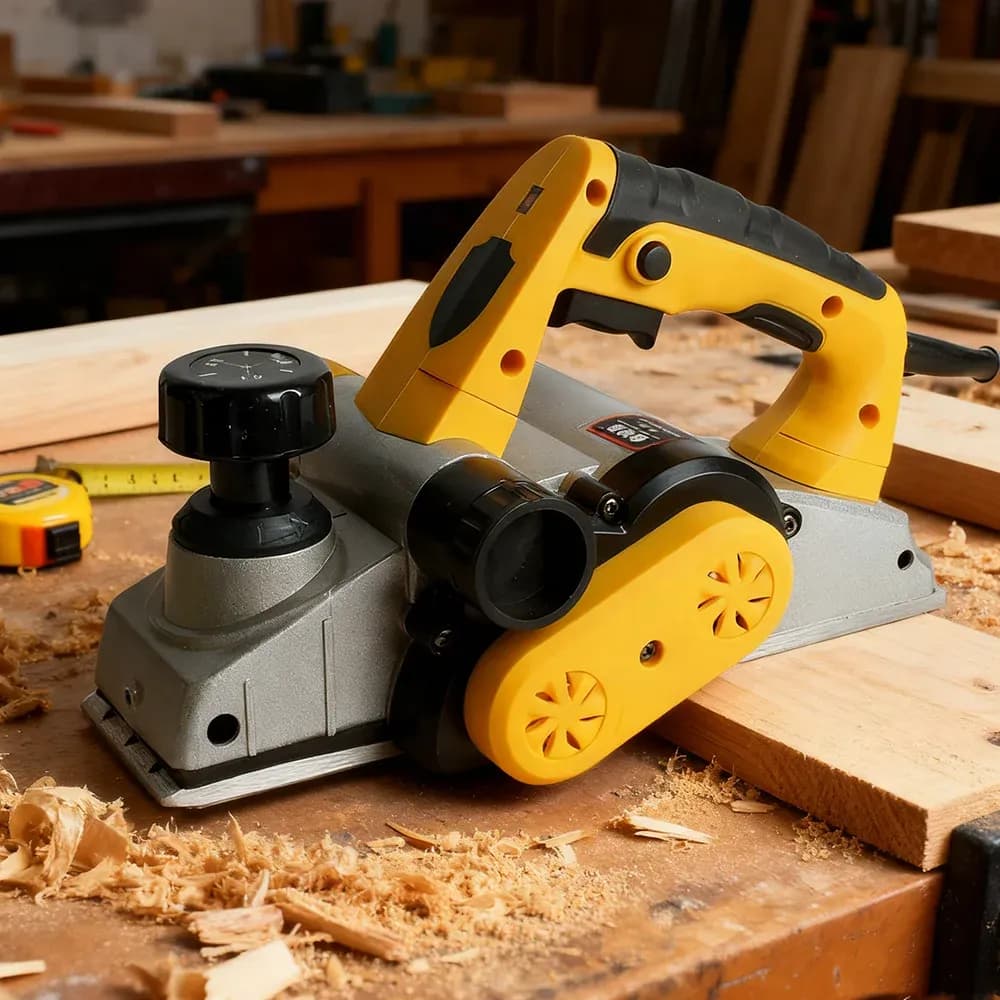
Rough-sawn timber, uneven edges, and inconsistent board thickness can slow down even simple furniture builds. This 220V desktop planer is aimed at that problem, giving home woodworkers a fixed machine for flattening stock before assembly.
Compared with hand planers or sanders, a desktop unit like this is about repeatability rather than finesse. You get a more controlled pass on boards and a cleaner workflow when several pieces need matching, which is exactly where compact workshop machines earn their keep.
220V mains power and what it means in practice
The mains-powered design is useful if you want steady output without depending on batteries. For longer sessions, that usually means less interruption and a more predictable cut quality, especially when preparing multiple boards for a single project.
Because the product is positioned as multifunctional, it is better suited to routine workshop tasks than delicate finishing work. Users looking for a portable solution for bench-top timber prep will likely value the simple plug-in format, but the real appeal is how it fits into a small, fixed workspace.
Desktop format for home woodworking
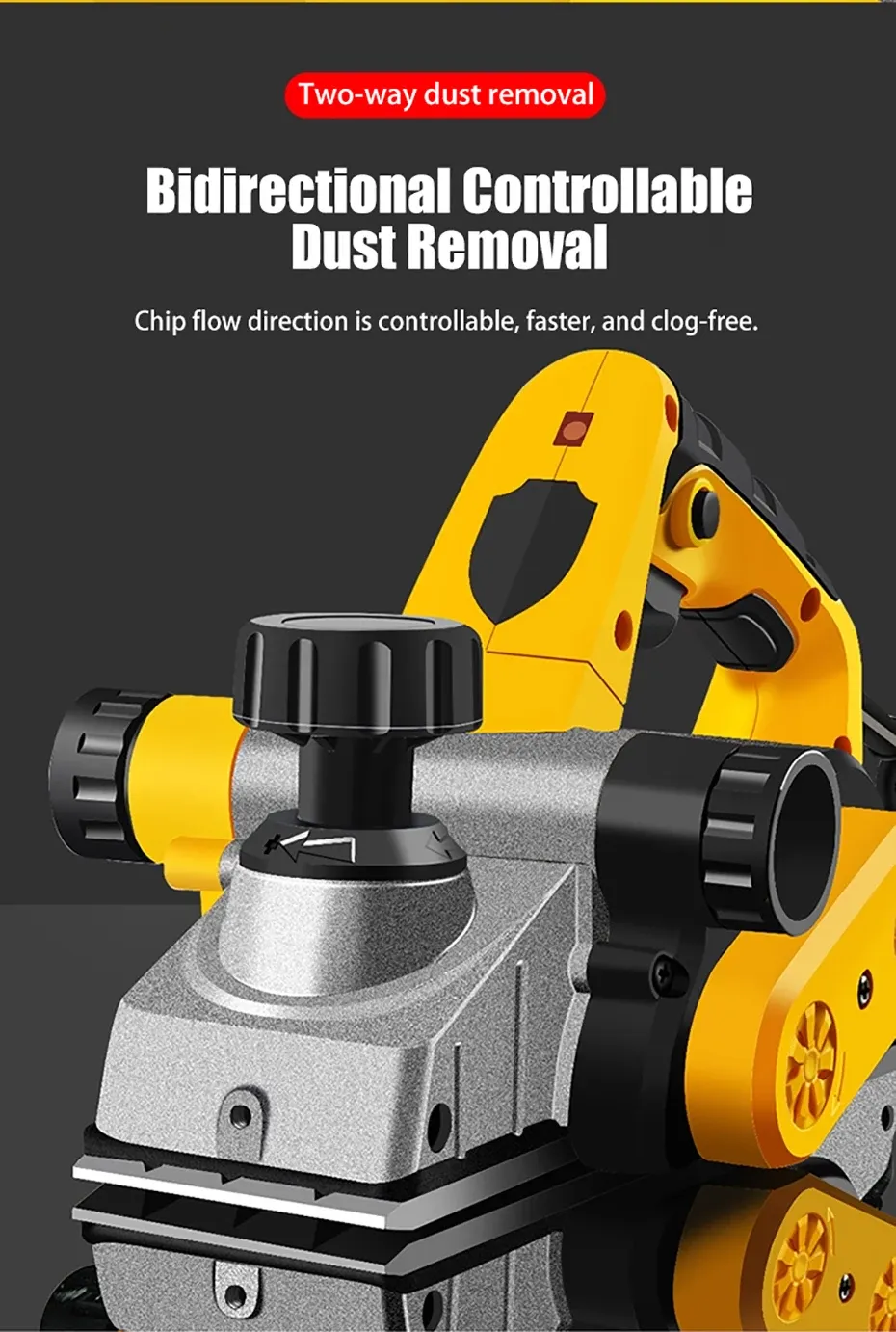
The desktop footprint makes sense for garages, sheds, and hobby benches where floor space is limited. Instead of dragging timber to a larger industrial machine, you can set the planer near your work area and keep the process compact and organised.
That smaller format does come with a trade-off: it is not the same as a heavy cabinet planer built for daily trade use. For occasional joinery, shelf making, and DIY furniture parts, the balance between size and function is the more relevant story, and that is where this model is likely to fit best.
What users should expect from the cut
Based on the product type, the main benefit is removing unevenness before sanding, which saves time and reduces waste. Customers often judge machines like this by how much post-processing they need, so a clean first pass matters more than flashy extras.
In practice, the planer should be seen as a preparation tool rather than a final-surface machine. If you want sharp edges, flat mating faces, and boards that sit better together during assembly, that workflow is more valuable than chasing mirror-smooth output straight from the cutter.
Who gets the most value from it
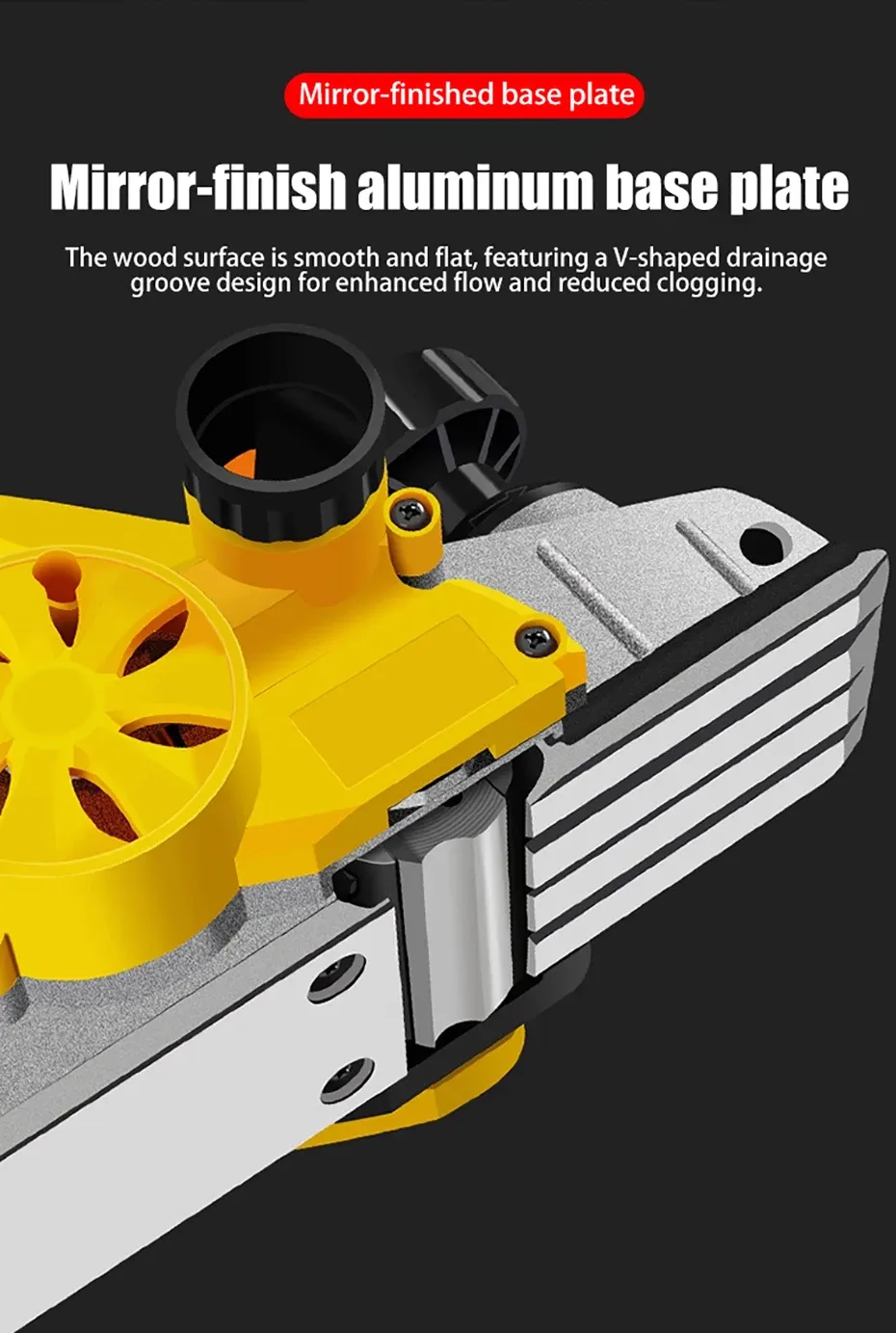
This machine makes the most sense for hobbyists, renovation tinkerers, and small workshop users who already work with solid timber. It is less relevant for people who only cut soft trim occasionally, because the setup is aimed at repeat woodworking tasks rather than one-off household jobs.
For AliExpress UK shoppers comparing it with cordless hand tools, the key difference is consistency. A fixed planer gives you a more stable result across multiple pieces, which is useful when a project depends on matching thickness and a cleaner fit between parts.
What to check before setting it up
As with any desktop planer, the important details are mounting, feed stability, and safe clearance around the machine. A level bench and enough infeed and outfeed space will matter more than decorative features, because they affect how smoothly the timber moves through the cutter path.
The listing does not provide detailed performance figures, so buyers should treat this as a practical workshop tool rather than a specification-led purchase. If your priority is controlled timber prep in a compact space, the format is sensible; if you need industrial throughput, a heavier machine would be the better reference point.