








Built for compacting where lighter tools run out of force
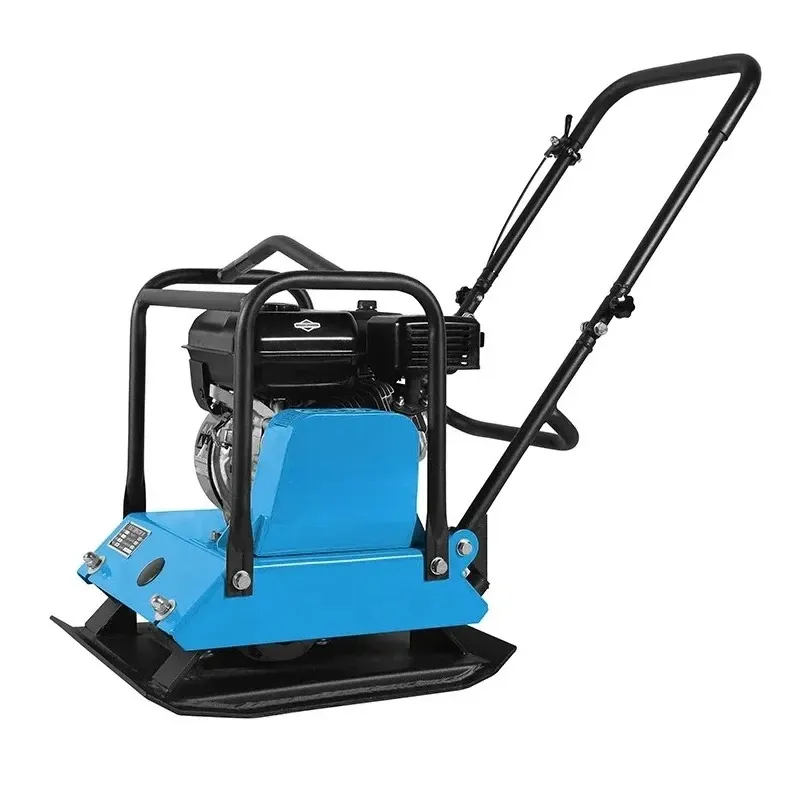
The problem this rammer solves is simple: loose soil, trench fill, and sub-base layers need deep, consistent compaction before concrete, paving, or utility work can move forward. This FIXTEC unit is designed for that job, using petrol power and a heavy 85kg frame to drive force into the ground rather than skimming over the surface.
FIXTEC has built a solid reputation in the AliExpress UK tools niche for offering industrial-grade equipment with practical specifications and OEM support, which matters when a machine is expected to work on real sites rather than just in a workshop. That positioning makes this model worth a closer look, especially if you want a rammer that feels more like site equipment than a consumer tool.
10kN impact force and 450-650 vpm: what the numbers mean on site
The headline figure here is 10kN of impact force, which places this rammer in a serious professional class for compacting cohesive soil and mixed backfill. In practice, that means fewer passes are needed to achieve a firm base, which can save time on trench edges, footing prep, and small road repair work.
The 450-650 vibrations per minute range gives the machine a brisk rhythm without sounding frantic, while the 65mm jumping stroke helps it bite into material instead of bouncing uselessly on top. If you have used a lighter plate compactor, the difference is immediate: a rammer reaches narrow areas and dig-outs that a flat plate cannot properly finish.
Why the 340 × 290 mm foot matters in narrow trenches
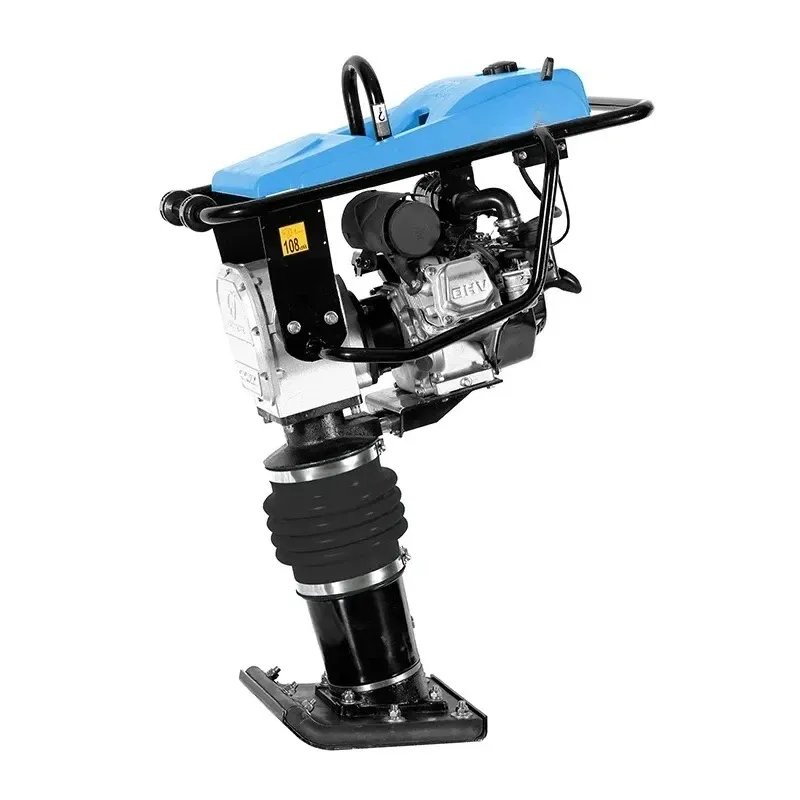
The 340 × 290 mm foot size is compact enough for trench work, yet large enough to keep the machine stable as it lands. That balance is useful around utility lines, post holes, and foundation edges where precision matters as much as force.
For crews working in confined spaces, the narrower footprint also makes it easier to overlap passes cleanly, reducing soft spots that can settle later. Users looking for a machine for open-area compaction may prefer a plate compactor, but for channels, pits, and edge work, this format is the more practical one.
Petrol drive and 85kg mass: why this feels like site equipment
The petrol/gasoline power source keeps the machine independent from mains electricity, which is a major advantage on unfinished sites and remote jobs. The listed 6.5hp Loncin-style engine reference suggests the kind of straightforward, serviceable power plant contractors usually want for routine field use.
At 85kg, this is not a machine you casually carry around, and that weight is part of the performance story because it helps transfer energy into the soil. The trade-off is clear: you gain strong compaction and better ground contact, but you will want proper handling space and a team that is comfortable moving industrial equipment.
What kind of projects suit this rammer best?
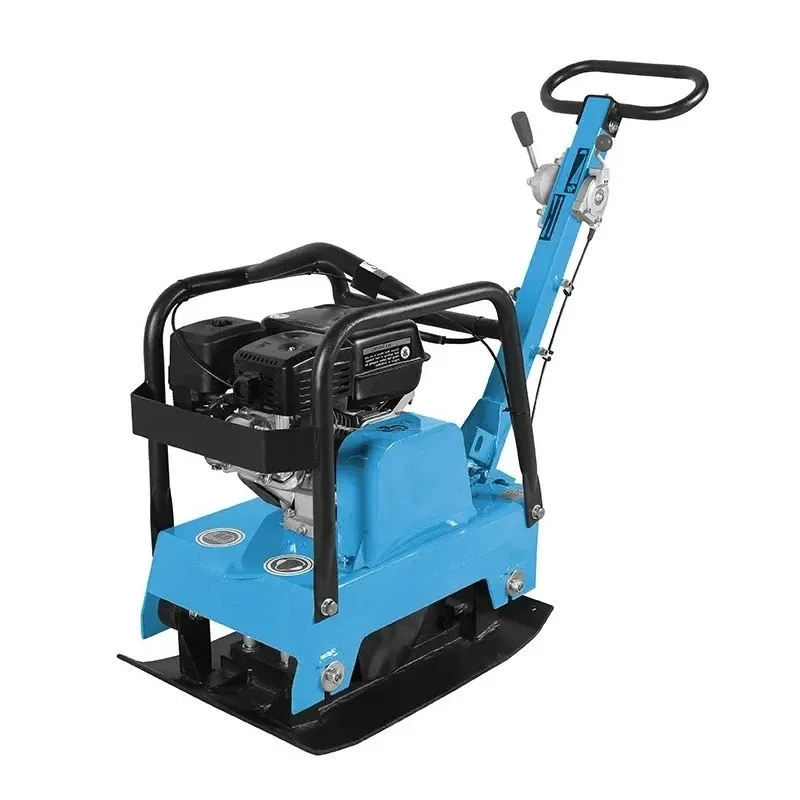
This model is best matched to foundation backfill, trench restoration, pipe-laying jobs, landscaping sub-bases, and small civil works where a dense finish is non-negotiable. It is less about speed alone and more about producing a stable layer that can support the next stage of construction without uneven settling.
According to customer feedback patterns seen in this category, buyers usually value machines like this for their ability to reach awkward areas and keep working through mixed soil conditions. If your work includes tight access or repeated compaction in narrow runs, that is where the design starts to make sense.
Industrial details that matter more than the headline
The one-year warranty and OEM support are useful signals for professional buyers who may want a repeatable fleet purchase or replacement parts continuity. The 76 × 46 × 117 cm size also helps set expectations for storage and transport, because this is a workshop-and-site machine rather than a compact rental tool.
With no high-concern chemicals listed and professional-grade positioning, the listing stays focused on function rather than lifestyle features. For teams comparing it with electric tampers, the petrol format offers more freedom and usually better jobsite flexibility, which is the real reason this category still holds its place.