










Built for concrete that refuses to give way
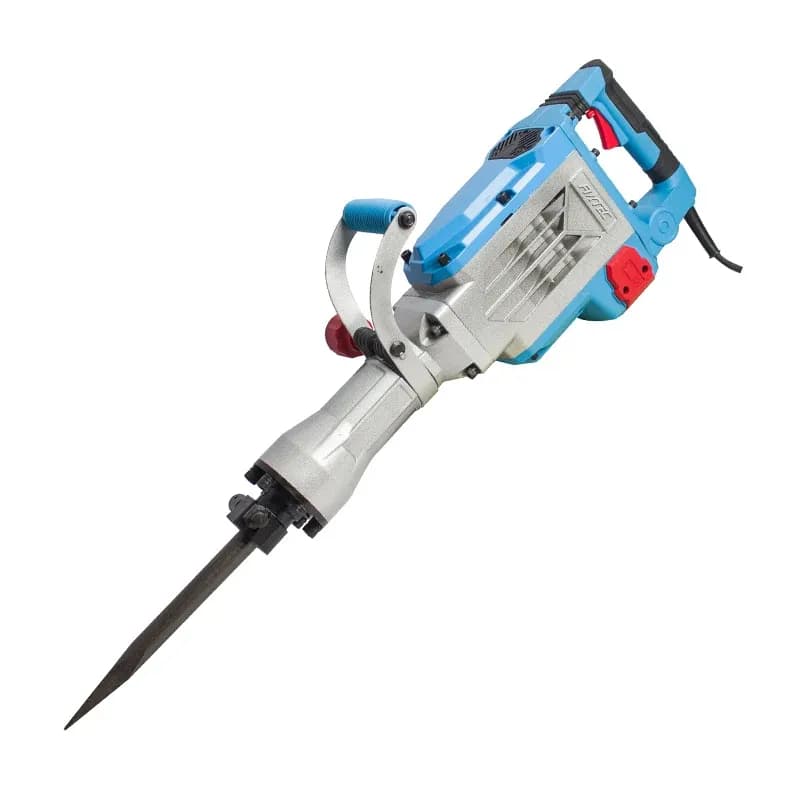
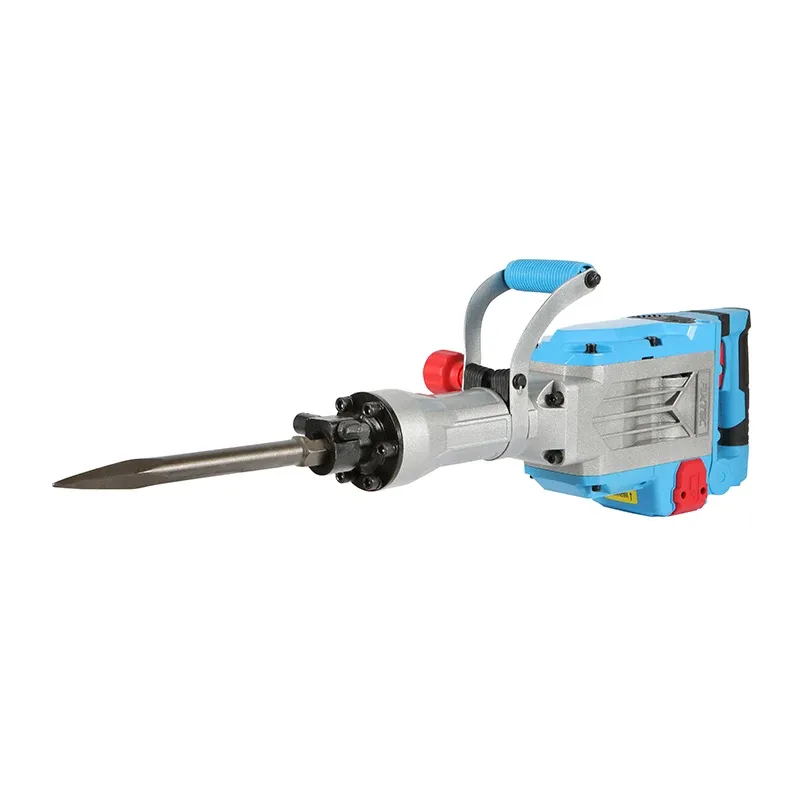
This FIXTEC demolition hammer is designed for the jobs where a standard rotary drill runs out of breath. With 68J of impact energy and a 1700W motor, it is aimed at breaking slabs, opening channels, and handling structural demolition with less hesitation.
The industrial-grade positioning matters here, because the tool is not trying to be a light all-rounder. It is a dedicated breaker for users who need force first, then control, which is exactly what you want when the material is reinforced concrete or dense masonry.
68J impact energy and what it feels like on site
In practical terms, 68J means the bit is delivering a hard, deep strike rather than a fast but shallow tap. That translates into faster material removal on thick concrete, especially when the job demands repeated chipping instead of fine drilling.
The 1900 BPM impact rate helps the hammer keep a steady rhythm under load, so the tool feels more purposeful than many lower-energy breakers that bounce on the surface. For demolition work, that combination is often more useful than chasing top speed alone, and it becomes clearer once you compare it with lighter SDS-class tools.
30mm HEX chuck for serious breaker bits
The 30mm HEX chuck is a strong indicator that this machine belongs in the demolition category, not the general DIY drawer. HEX tooling typically gives a more secure fit for heavy chisels and breakers, which is useful when the tool is pushing hard into concrete or brick.
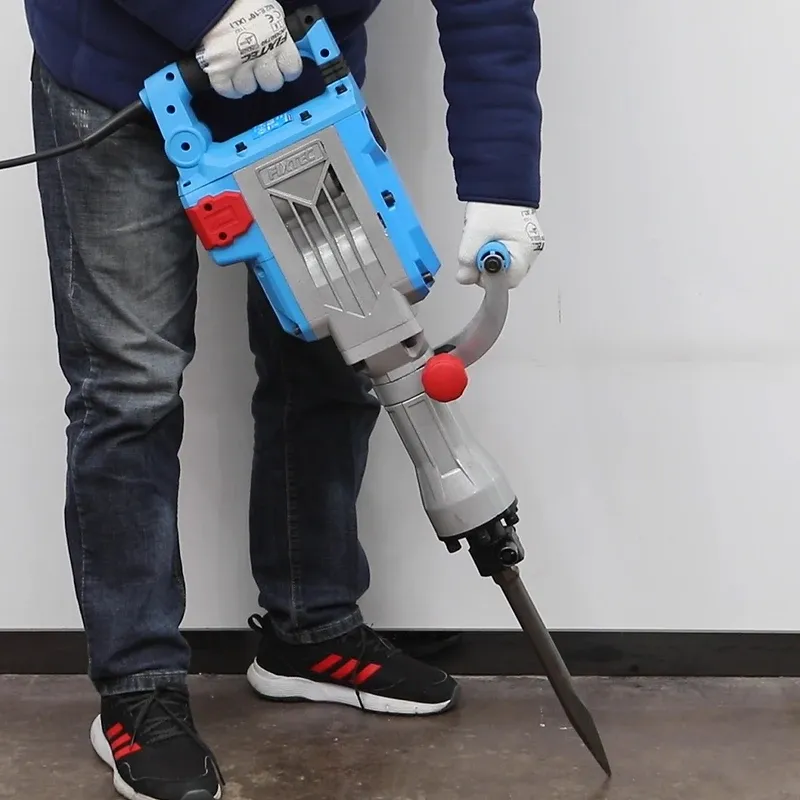
That setup also makes bit selection more straightforward for contractors who already work with industrial demolition accessories. If your current kit is built around SDS-Max or smaller drill systems, this is the point where compatibility becomes the first thing to check before you move on.
23kg of mass that helps the hammer do the work
At 23kg, this is not a tool you carry for casual overhead work, and that weight is part of the value. The mass helps the breaker stay planted, which can reduce the need to force the tool into the surface and can make vertical demolition feel more stable.
Users who need to chip floors, break footings, or open wall sections will likely appreciate that planted feel, while lighter tools tend to skate or chatter on hard surfaces. It is a reminder that demolition performance is not just about watts, but about how the whole machine transfers force into the material.
How it fits renovation, site prep, and wall breaking
This model suits renovation crews, maintenance teams, and workshop users who need a machine for recurring demolition rather than occasional home repairs. The electric power source and VDE plug support a straightforward setup on sites where mains access is available and consistent.
For wall breaking, tile bed removal, and concrete opening work, the tool should save time where manual chiseling becomes slow and tiring. According to users of similar FIXTEC breakers, the main appeal is usually the combination of direct power and simple operation, which is exactly what keeps a demolition hammer relevant on busy jobs.
What stands out in the FIXTEC line
FIXTEC has built a solid reputation in the AliExpress UK tool niche by focusing on practical industrial features rather than flashy extras. That approach is visible here in the metal construction, professional grade rating, and no-nonsense breaker format that prioritises work output over portability.
There are trade-offs, of course, but the specification sheet is clear about the intended role. If you need a dedicated concrete breaker with real mass behind it, the details suggest a tool that belongs on-site rather than in a weekend toolkit.
Things to check before choosing it
- Confirm you have a 220V, 230V, or compatible mains supply.
- Make sure your chisels and bits match the 30mm HEX system.
- Plan for the 23kg weight if the job involves frequent repositioning.
- Use it where sustained demolition matters more than compact size.