











Why this router matters for workshop precision
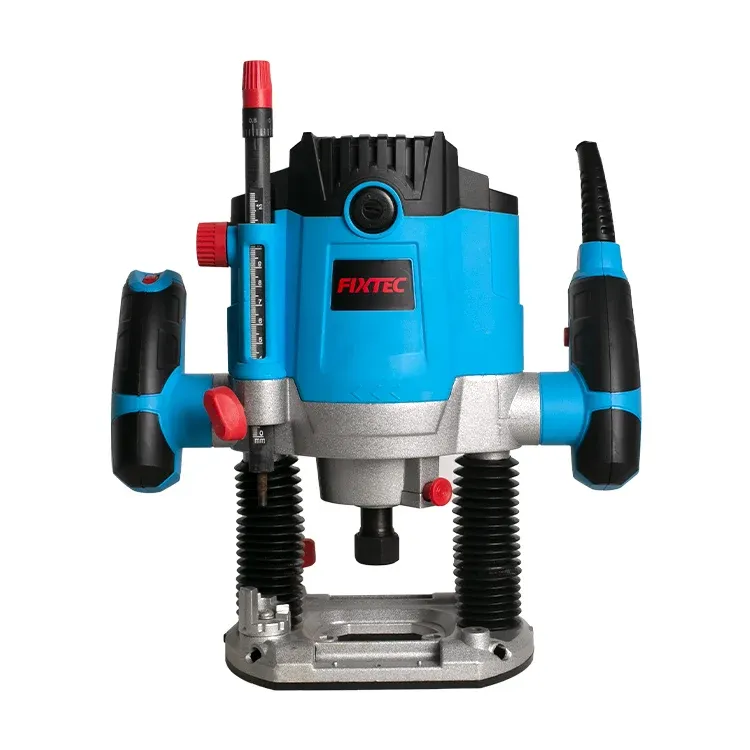
A wood router solves the problem of rough edges, uneven grooves, and slow hand-finishing on timber projects. This FIXTEC unit is designed for users who want cleaner shaping control without moving into a heavier cabinet-grade machine.
Its 1800W motor and 6000–22000rpm speed range suggest enough headroom for common routing jobs on softwood, hardwood, and laminate. For AliExpress UK readers comparing compact workshop tools, that combination points to a router that can do more than basic trimming, which is where the value starts to show.
1800W power and what it means on real timber
On paper, 1800W is a strong figure for a handheld router in this category, and in practice it should help the bit stay more stable under load. That matters when cutting deeper profiles or working along dense grain, where weaker motors tend to slow down and leave a burnt edge.
The benefit is not raw speed for its own sake, but a smoother cut with less forcing through the workpiece. Users who move between decorative edges and functional joinery will notice the difference most, especially when the job calls for repeatable passes rather than one aggressive cut.
Variable speed for cleaner edges and safer bit control
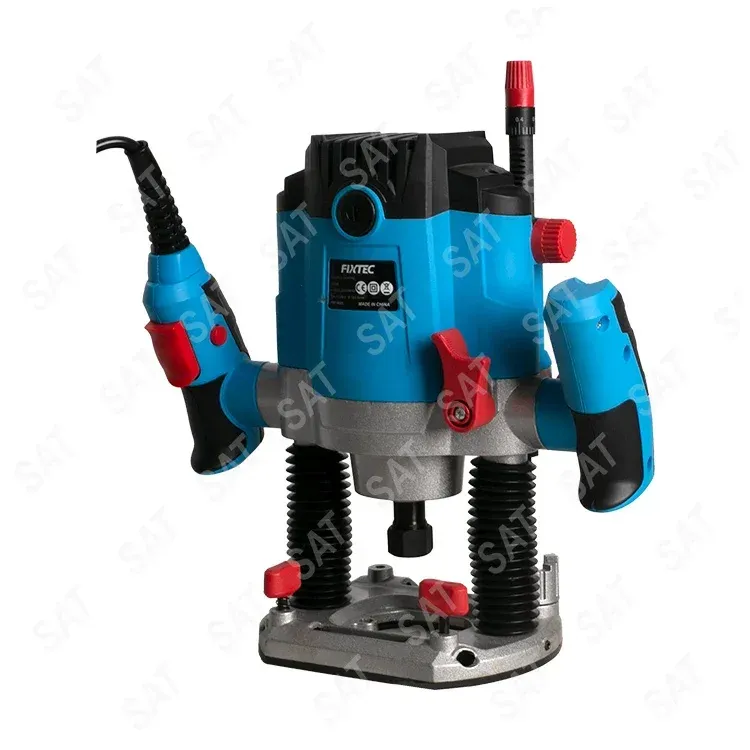
The 6000–22000rpm range gives the router flexibility across different bit diameters and materials. Lower speeds are useful for larger cutters and more controlled passes, while higher speeds suit lighter trimming and finer finishing work.
That range also helps reduce tear-out on delicate surfaces, which is a common frustration with basic fixed-speed routers. If you often switch between pine shelving, hardwood trim, and laminate edging, the speed control is the feature that makes the tool feel more adaptable than entry-level alternatives.
Rubber grip and handling during longer sessions
The rubber construction on the handle area should improve comfort and reduce slip when your hands get warm or dusty. That is a practical detail, because routing work depends on steady lateral pressure and a clear feel for the bit’s movement.
It will not replace proper technique or a guide fence, but it can make freehand edge work less tiring. The difference is most noticeable on longer sessions such as cabinet edging, template routing, or repeated cutouts, and that is where handling becomes part of the cut quality.
Where this machine fits in a home workshop
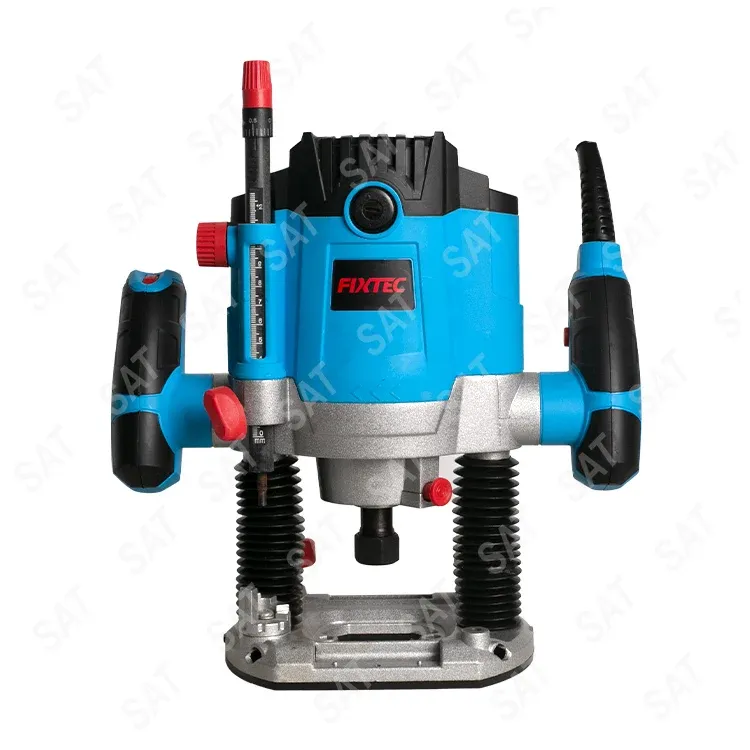
This model makes the most sense for users who want one router for edging, rebates, grooves, and light shaping rather than a specialist production machine. It sits above ultra-basic routers in power, yet remains more approachable than large industrial setups that take up more space and demand more setup time.
Compared with smaller hobby routers, it should feel more confident on thicker stock and wider bits. Compared with a full router table setup, it offers portability and faster job changes, which is useful if your projects move between the bench, floor, and site work.
What to watch before you start cutting
The product description does not specify accessories, collet sizes, or depth-stop details, so buyers should confirm exactly what is included in the box. That matters because router performance depends as much on bit compatibility and adjustment range as on motor power.
Customers tend to judge routers by the finish they leave, not the wattage printed on the listing, so setup quality will decide the experience here. If the base, depth control, and bit support are solid, this FIXTEC router could be a practical workshop upgrade rather than just a spec-heavy listing.