










Built for stubborn concrete, not light DIY
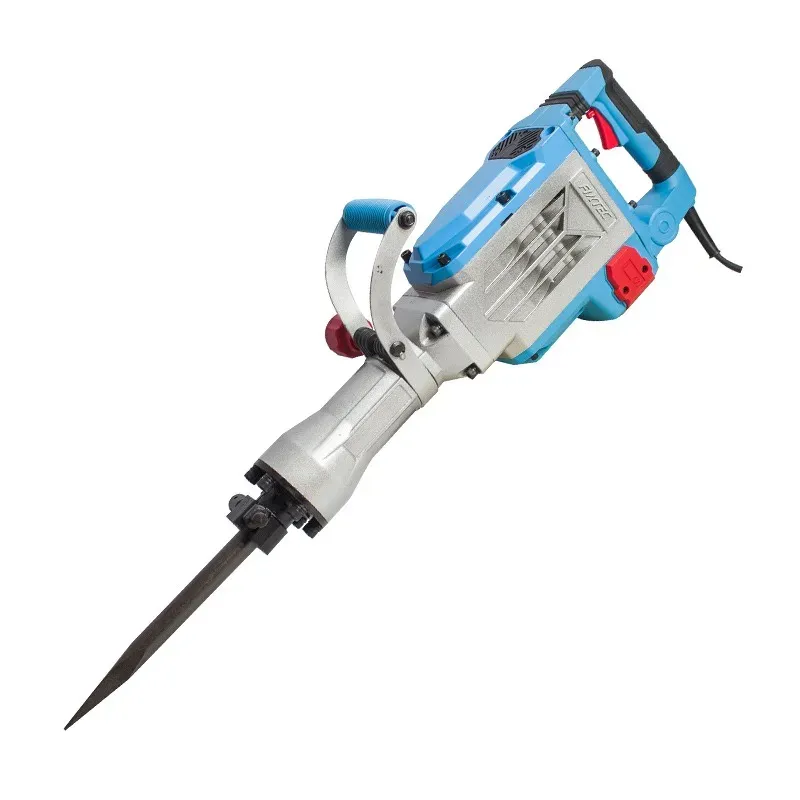
This FIXTEC demolition hammer is aimed at jobs where a standard rotary hammer starts to feel underpowered. With a 30mm hex interface and 1500W motor, it is the kind of tool that makes sense for breaking slabs, removing old tiles, and opening channels in masonry.
FIXTEC has built a solid reputation in the AliExpress tool niche by focusing on practical power tools with straightforward specifications and workshop-first design. That approach matters here, because a demolition hammer is only useful when the build feels confident enough to survive repeated impact, and this model is clearly positioned for that role.
What 1500W means on a real jobsite
The 1500W rating suggests a machine that can keep driving through dense material instead of stalling as soon as the surface gets hard. In practice, that means less time fighting the tool and more time letting the bit or chisel do the work, which is exactly what users want during renovation tear-out.
Compared with lighter SDS-plus hammers, this type of hex-shank breaker is better suited to sustained demolition rather than precision drilling. If you need to crack concrete or chip away at thick mortar joints, the extra mass and impact format are more relevant than compact size, so the question becomes how often you need that level of force.
30mm hex shank: why the bit system matters
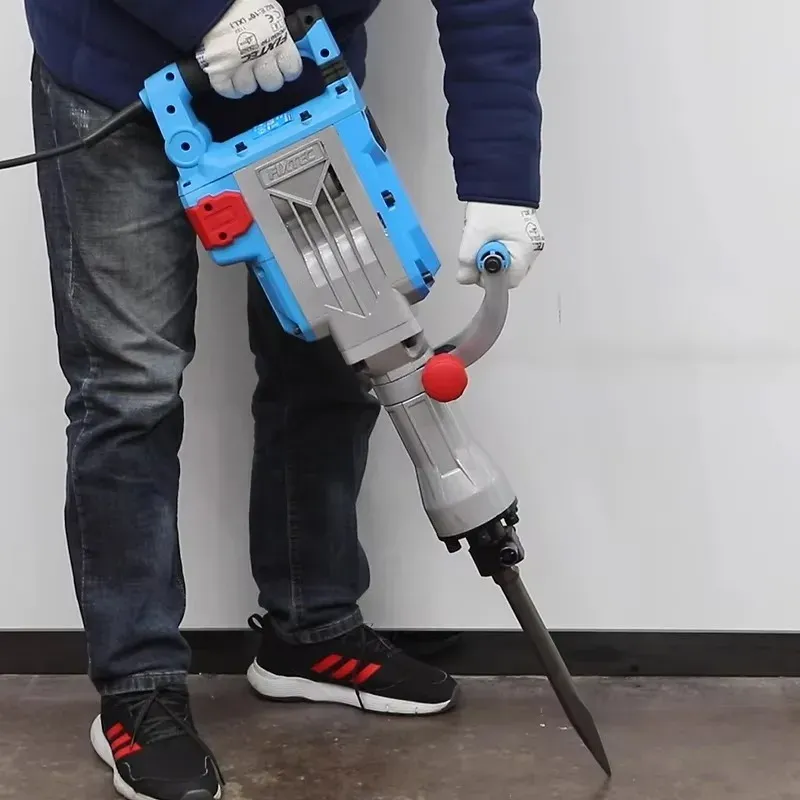
The 30mm hex connection is a strong sign that this tool is designed for serious breaking rather than mixed-purpose drilling. Hex tooling usually transfers impact more directly than smaller systems, which helps when you want aggressive material removal and fewer losses through flex.
That setup also makes it easier to match the tool with demolition chisels and breaker accessories commonly used on heavy masonry work. For contractors and experienced renovators, this can be more practical than a versatile drill that compromises on impact delivery, especially when the next task is removing a stubborn floor or wall section.
Alloy construction and workshop durability
The alloy build points to a body designed to handle vibration, knocks, and the dust that comes with demolition work. It will not feel delicate in hand, and that is a good thing for a tool that is expected to spend its life beside concrete and rubble.
Because no advanced vibration-control system is specified, this is best treated as a hard-working breaker rather than a comfort-led premium model. That makes gloves, ear protection, and controlled work cycles important, and it also explains why this tool fits heavier-duty users better than occasional home improvers.
Where it fits in a workshop or renovation kit
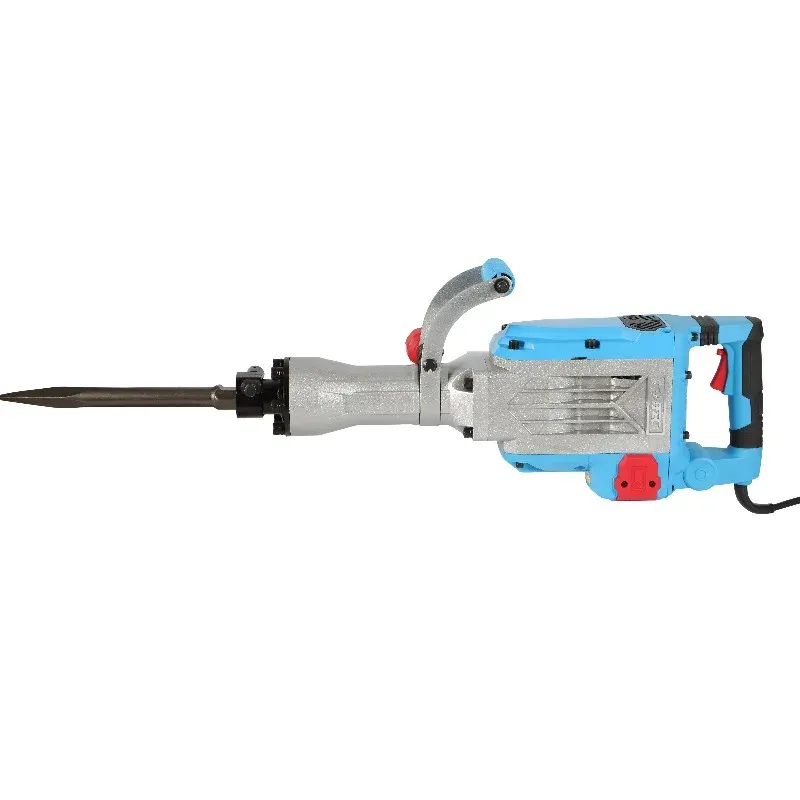
This model makes the most sense for renovation crews, property maintenance teams, and advanced users who already know they need a demolition-focused machine. It is less suitable for delicate drilling or mixed drilling-and-driving tasks, where a lighter rotary hammer would be more efficient.
For the right job, though, it can replace a lot of manual hammering and reduce the time spent on concrete removal. According to customer feedback patterns seen across similar FIXTEC breakers, users tend to value this kind of tool when they want dependable impact rather than a feature-heavy body, so the real test is the workload you expect next.
What to check before you use it
Because the product details do not list accessories, chuck contents, or vibration figures, it is worth confirming exactly what comes in the box before planning a job. That matters with demolition tools, where the right chisel set and extension plan can change how efficiently the machine performs.
It also helps to match the breaker to a proper power source and a realistic duty cycle, since heavy demolition generates heat, dust, and fatigue faster than normal drilling. If your next project involves thick concrete or long chasing runs, this is the point where the FIXTEC starts to look more purposeful than a general-purpose hammer drill.