










A cordless saw that solves the awkward cut problem
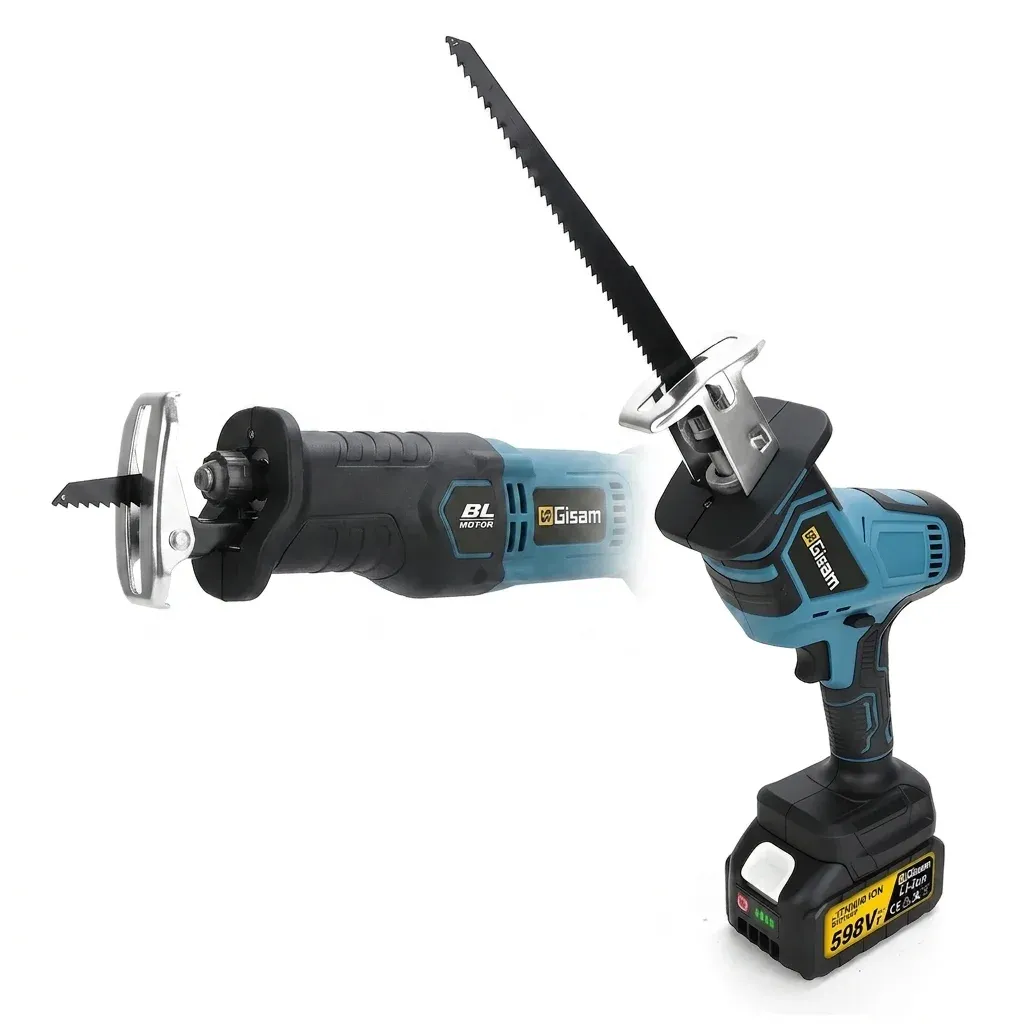
The Gisam reciprocating saw is aimed at jobs where a hand saw feels too slow and a circular saw feels too bulky. It gives renovation teams and DIY users a portable cutting tool for tight spaces, awkward angles, and mixed materials.
Its brushless motor and 18V battery platform are the real draw here, because they turn a compact tool into something that can handle demolition-style cutting without dragging a cable around the site. That balance of mobility and cutting pace is where this model becomes interesting, so how does it translate in practice?
Brushless motor and 12,000 SPM: what that means on site
A brushless motor usually means less internal friction, better efficiency, and steadier output under load, which matters when you are cutting through timber or PVC in repeated passes. In practical terms, that should help the saw stay responsive rather than bogging down as the blade meets resistance.
The 0-12000 SPM stroke speed gives it the kind of fast, aggressive action expected from a cordless reciprocating saw in this class. Users who already moved up from 12V tools noted the stronger performance, though they also mentioned more vibration, which is common when a compact saw is tuned for speed rather than soft handling.
Makita 18V battery compatibility: the biggest buying point
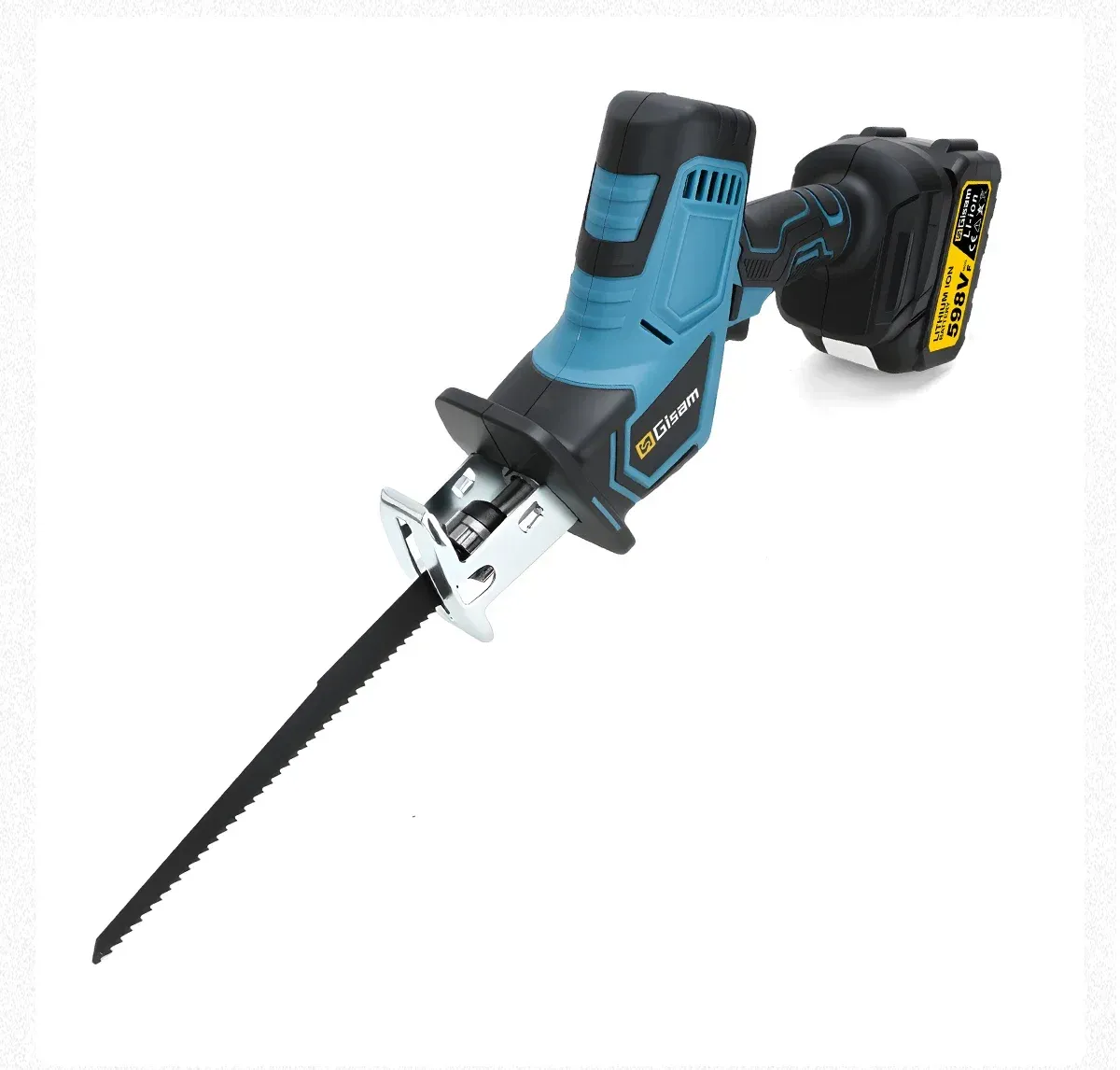
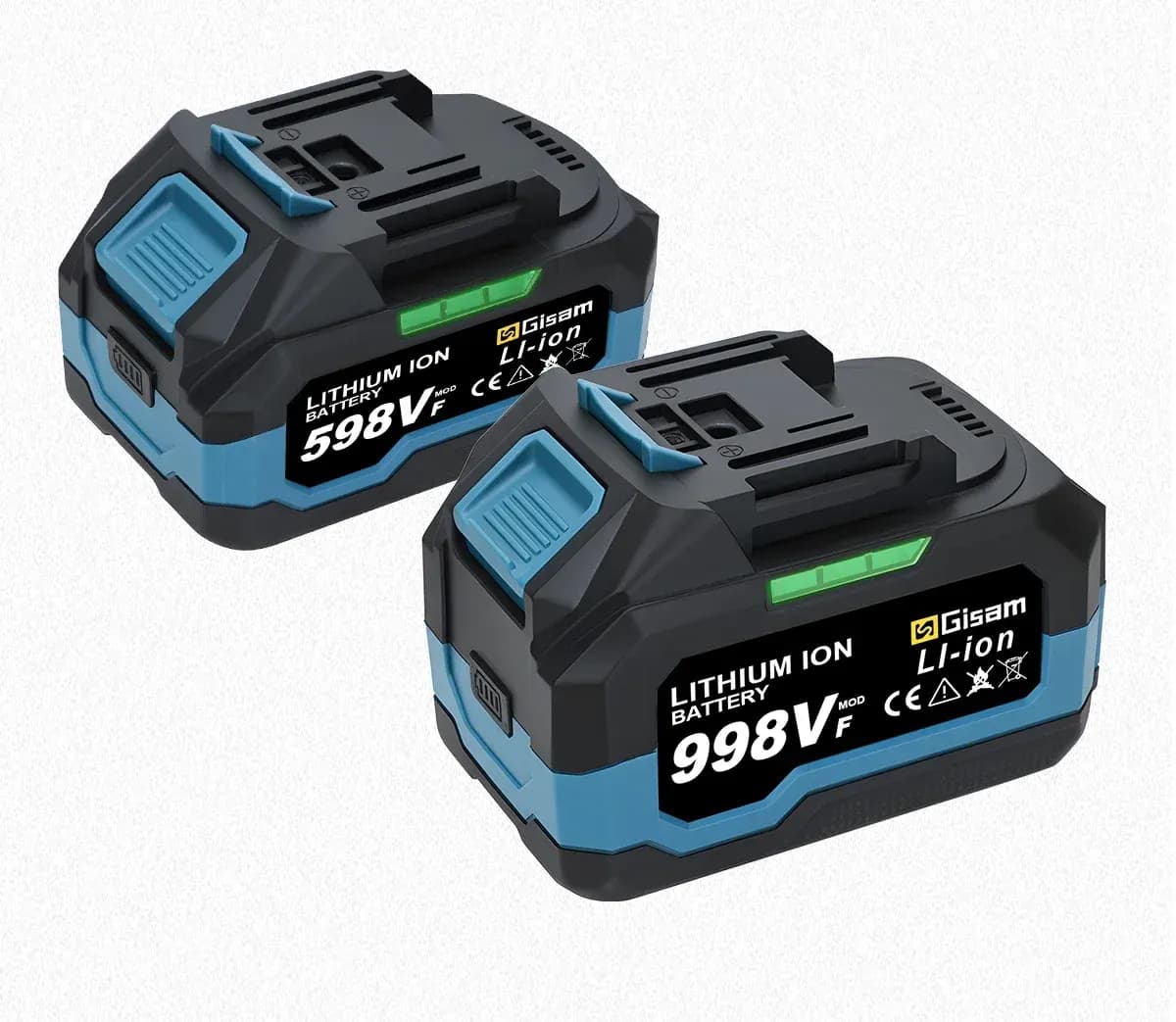
This model is designed for Makita 18V battery pins, which makes it attractive if you already run that platform across drills, grinders, or lighting. That compatibility can reduce clutter in the toolbox and lets you get more use from batteries you already know and trust.
The listing notes that the product is supplied with battery included, while the original description also warns that there is no battery and no plug, so buyers should check the exact bundle before expecting a complete kit. That detail matters more here than usual, because cordless tools live or die by the battery setup, and the next question is how cleanly it cuts different materials.
Wood, PVC, and light metal: where it fits best
For renovation work, the saw makes the most sense on timber framing, pallet wood, plastic pipe, and quick demolition cuts where speed matters more than a polished edge. Reciprocating saws are not precision finish tools, but they are excellent when you need to free a board, shorten a pipe, or break down material quickly.
The product description points to wood and metal cutting, yet the strongest use case is probably mixed on-site work rather than fine joinery. If you need a cleaner line than a reciprocating blade can deliver, a jigsaw or dedicated pipe cutter may still be the better match, which is why vibration becomes an important trade-off.
What customers noticed after real use
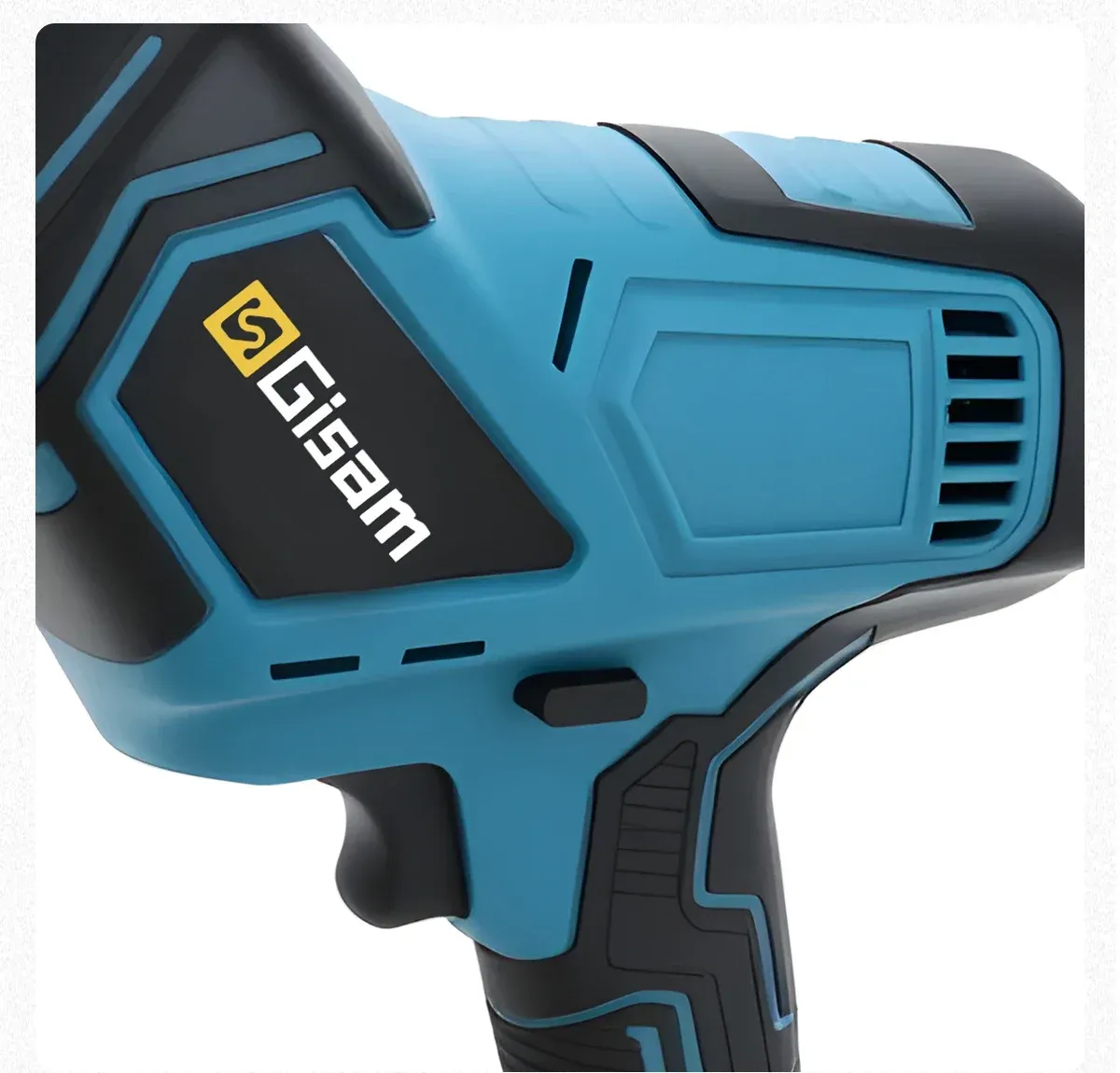
Real customer feedback is limited but useful: users were satisfied with the cutting performance and fast delivery, while one review flagged stronger vibration and another noted the missing case. That pattern suggests the saw does the core job well, but the accessory pack and handling comfort deserve a closer look before you commit.
For the AliExpress UK audience, that is a familiar story with budget cordless tools: the motor spec can be solid, while the extras and packaging vary more than expected. The upside is that the core machine appears to be the part that matters most, so what should you check before adding it to a workshop?
Who will get the most value from it
Renovation teams will benefit most because the saw is built for quick cuts in awkward positions where a cord or larger saw gets in the way. Home users with Makita 18V batteries can also treat it as a practical add-on for garden repairs, pipe trimming, and strip-out tasks.
If your work is mostly overhead, close to walls, or in cramped service areas, the compact reciprocating format makes sense immediately. If you want lower vibration and more refined control, you may prefer a slower tool with a softer start, which is the final point worth weighing.