










Built for fasteners that refuse to move
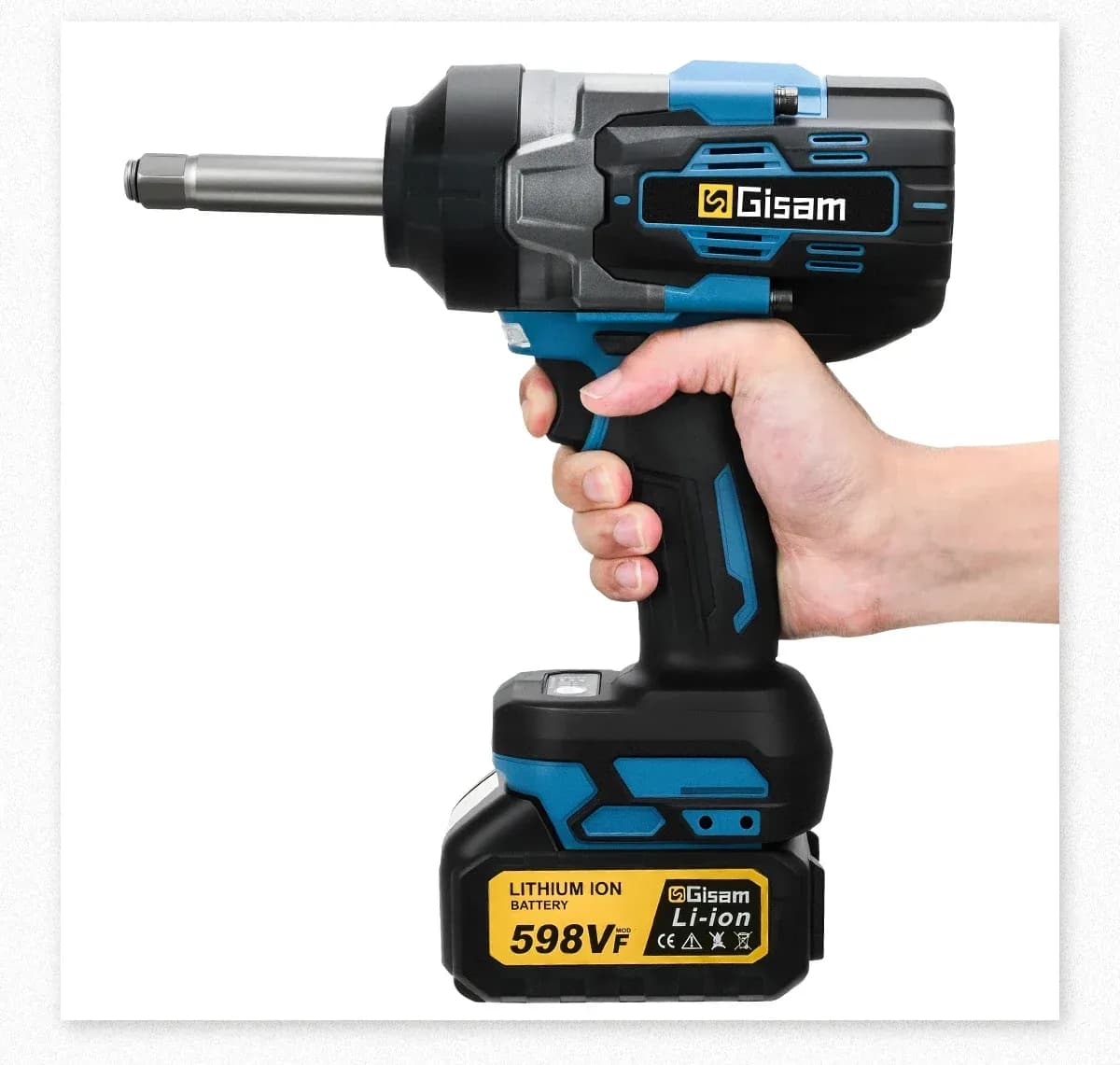
The Gisam 2800N.m impact wrench is aimed at the jobs where a normal drill driver runs out of breath long before the bolt gives way. Its extended anvil design and brushless motor point to a tool made for serious tightening and loosening work, not light DIY trim tasks.
For renovation teams and workshop users, the appeal is simple: strong impact delivery in a cordless format that keeps the setup flexible. With Makita 18V battery compatibility, it fits into an existing platform instead of forcing a separate charging ecosystem, which is exactly why it stands out in the AliExpress UK market.
2800N.m torque: what that means on site
That torque figure suggests a tool built for heavily seized wheel nuts, scaffold hardware, machinery fixings, and structural fasteners that need a sharp удар-like burst of force. In practice, this kind of output is most useful when the fastener is corroded, over-tightened, or repeatedly exposed to vibration.
The real benefit is not raw muscle alone, but how quickly the wrench can turn a stubborn task into a manageable one. Compared with mid-range cordless impact wrenches, this class of tool reduces the need for long breaker bars or repeated repositioning, so the work feels less like wrestling and more like controlled removal.
Brushless motor efficiency and heat control
A brushless motor usually means less friction, better runtime efficiency, and lower heat build-up during repeated bursts. That matters on a tool like this because impact wrenches spend much of their life delivering short, high-load pulses rather than steady rotation.
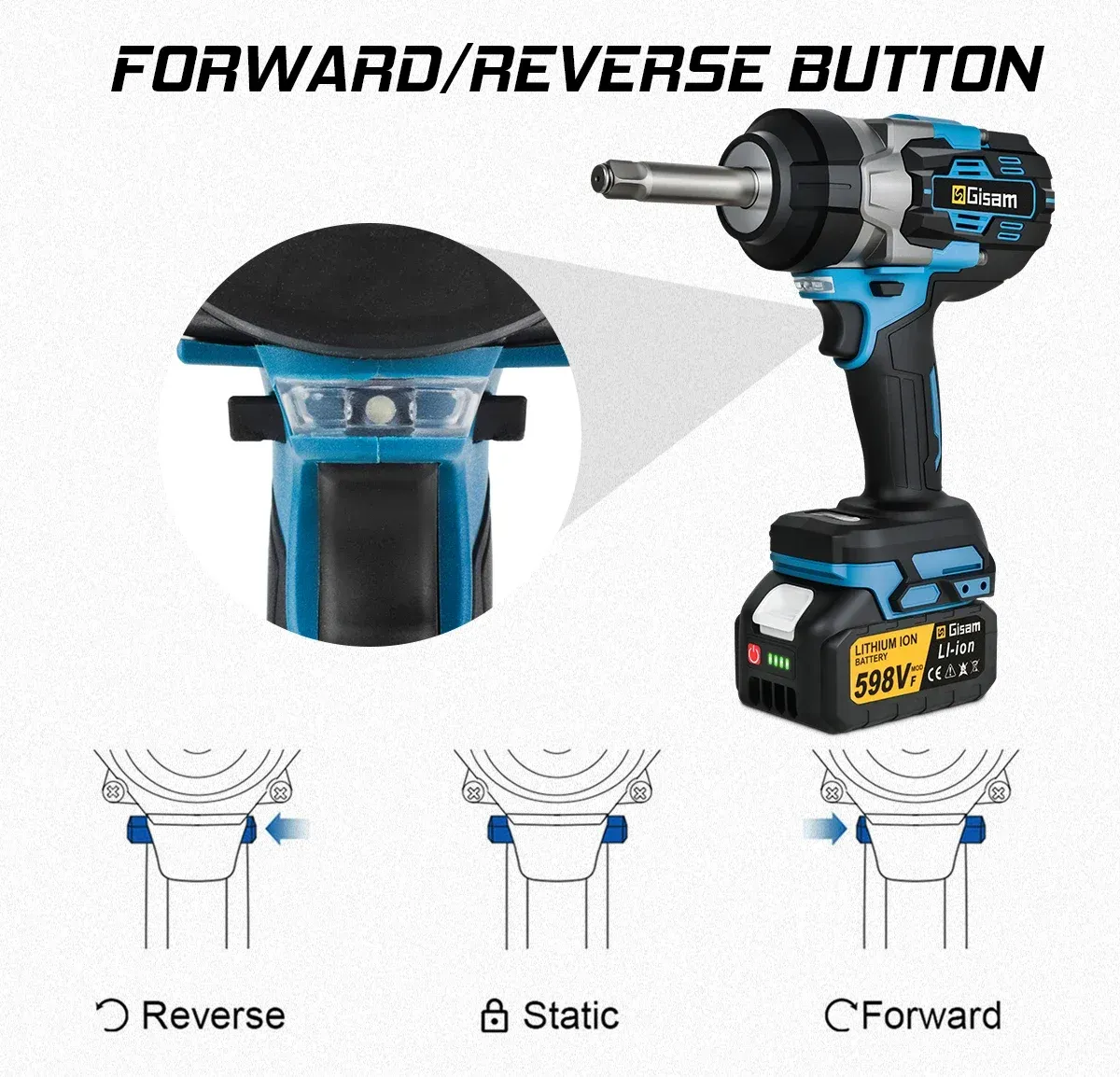
Users who move from brushed models often notice a smoother trigger response and less performance fade as the battery drains. For long renovation sessions, that can translate into more consistent output and fewer pauses, which is a practical advantage when the next fastener is waiting.
Extended anvil access where standard heads struggle
The extended anvil is useful when the socket needs a little more reach around recessed nuts, deeper wheel wells, or awkward machine housings. It can also make socket engagement feel less cramped, especially when you are working in positions where the tool body is already competing for space.
This design does make the wrench more specialised than a compact stubby model, so it is better suited to access-heavy jobs than tight cabinet work. If your work regularly involves chassis parts, fabrication, or maintenance tasks with awkward clearances, the extra reach becomes a real advantage rather than a cosmetic detail.
Makita 18V battery compatibility: a practical shortcut
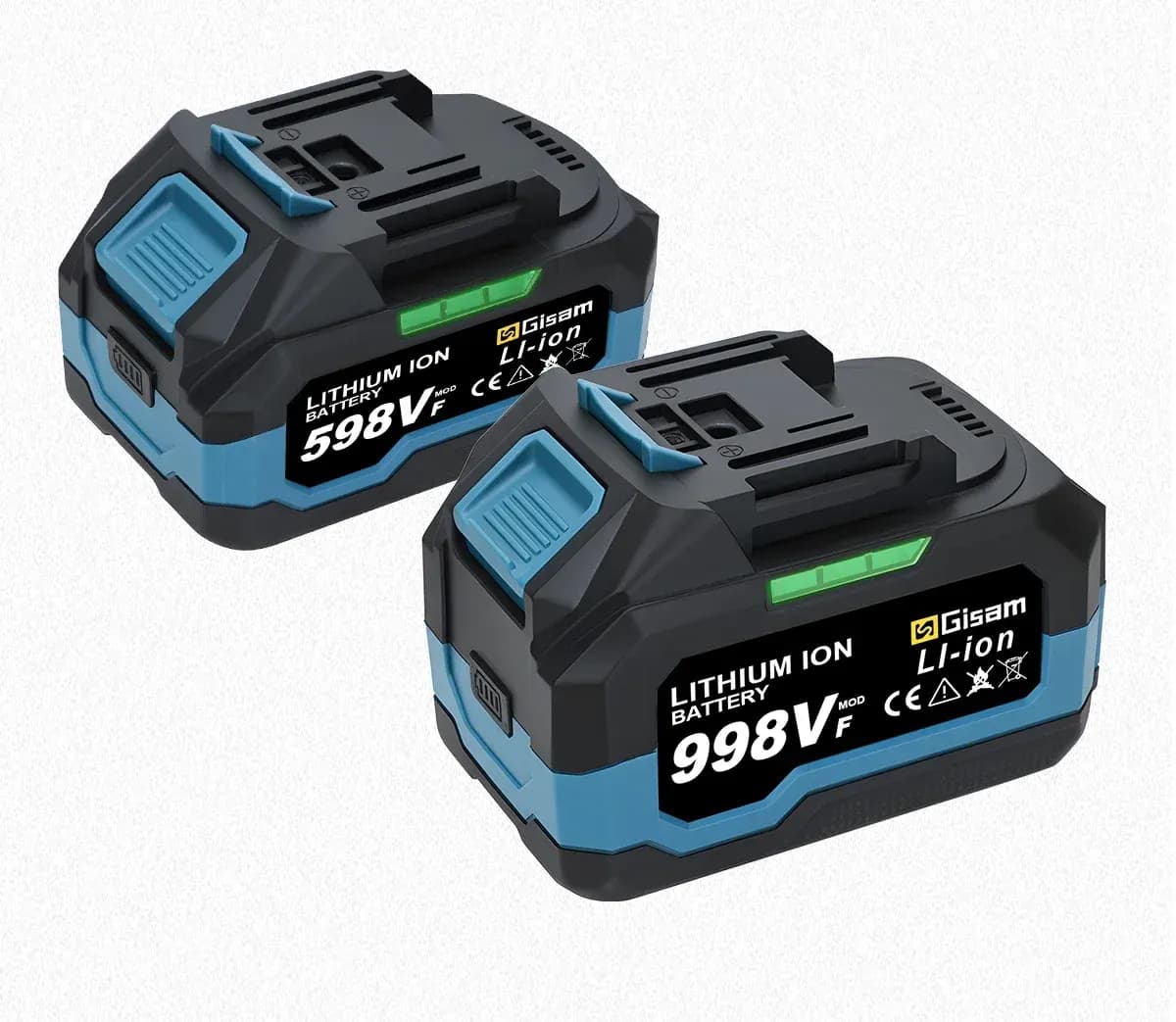
Battery compatibility is one of the strongest selling points here, because many users already own Makita 18V packs for drills, saws, or grinders. That can make the wrench easier to slot into a shared tool kit, avoiding the hassle of carrying a separate charging system for one more cordless tool.
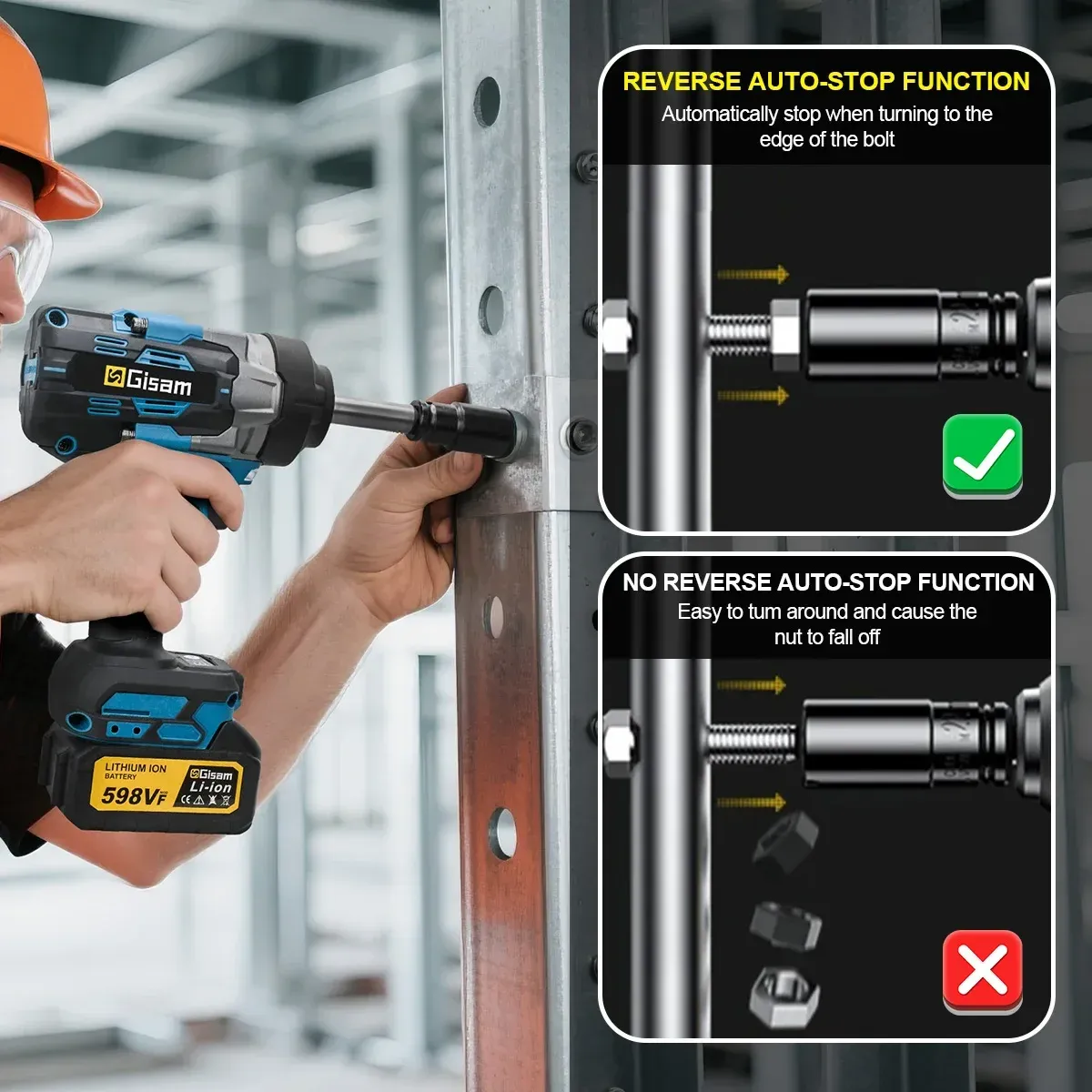
Because the battery is included, the package is easier to get running straight away, although runtime will still depend on the battery capacity used. For heavy impact work, a higher-capacity pack will usually feel more balanced and keep voltage sag under control, which is worth remembering before the first job starts.
Who gets the most from this wrench?
This model makes the most sense for renovation crews, garage users, and maintenance teams that regularly face seized hardware. It is less about finesse and more about dependable torque delivery, especially when speed and access matter more than delicate control.
Customers’ feedback on tools in this category usually focuses on whether the wrench feels stable under load and whether the trigger is predictable during short bursts. If those are your priorities, the Gisam format is easy to understand: a high-output cordless wrench that aims to save time on the difficult half of the job, and that raises one last question about the trade-offs?
What to check before you use it daily
- Use impact-rated sockets to handle the wrench’s удар loading safely.
- Choose a high-capacity Makita 18V pack for longer sessions and steadier output.
- Expect the extended anvil to help access, but not to replace a compact tool in tight spaces.
- Keep the tool for fastener work, not precision assembly, where torque is excessive.