










Brushless power for heavy mixes without a mains lead
Gisam has built a solid reputation in the AliExpress tools niche by focusing on cordless power tools that are practical rather than flashy. The brand usually targets users who want site-ready performance, CE-marked compliance, and battery compatibility that fits existing workshop setups, which is exactly why this mixer stands out.
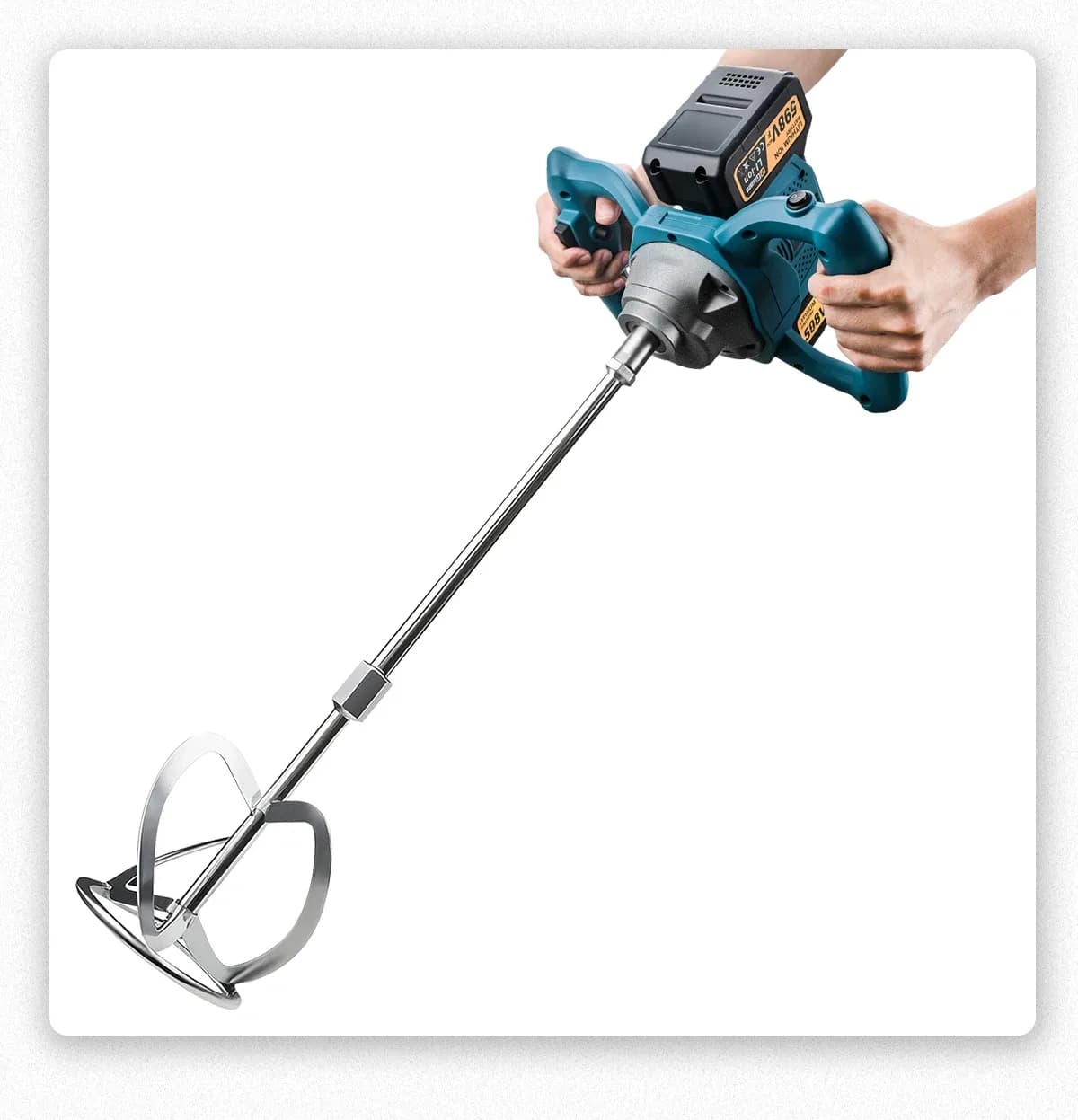
This 40V concrete mixer is aimed at one problem: moving thick material efficiently where a plug socket is not nearby. It is designed for cement, mortar, plaster and paint, so the value is in flexibility as much as raw torque, and that becomes clear once you look at the speed control.
Six-speed control makes the mix easier to manage
A six-speed layout is useful because not every material wants the same agitation. Thin paint benefits from a gentler start, while mortar and plaster need more aggressive blending to break up lumps and keep the texture even.
In practice, that means less splashing at the top of the bucket and better control when the paddle first bites into a dense mix. For users working in tight rooms or on finished surfaces, that controlled ramp-up matters more than headline power numbers, doesn’t it?
What 2400 rated power suggests on site

The listed 2400 rated power points to a mixer intended for demanding materials rather than light DIY stirring. That level of output is best understood as a reserve of force, helping the tool keep moving when the mixture thickens and the paddle starts to load up.
Because this is a brushless design, the motor should run more efficiently than older brushed units and handle repeated use with less wear in the drive system. Users who want a tool for regular renovation work, not just occasional weekend jobs, will notice why that matters.
Battery setup and the Makita 18V pin note
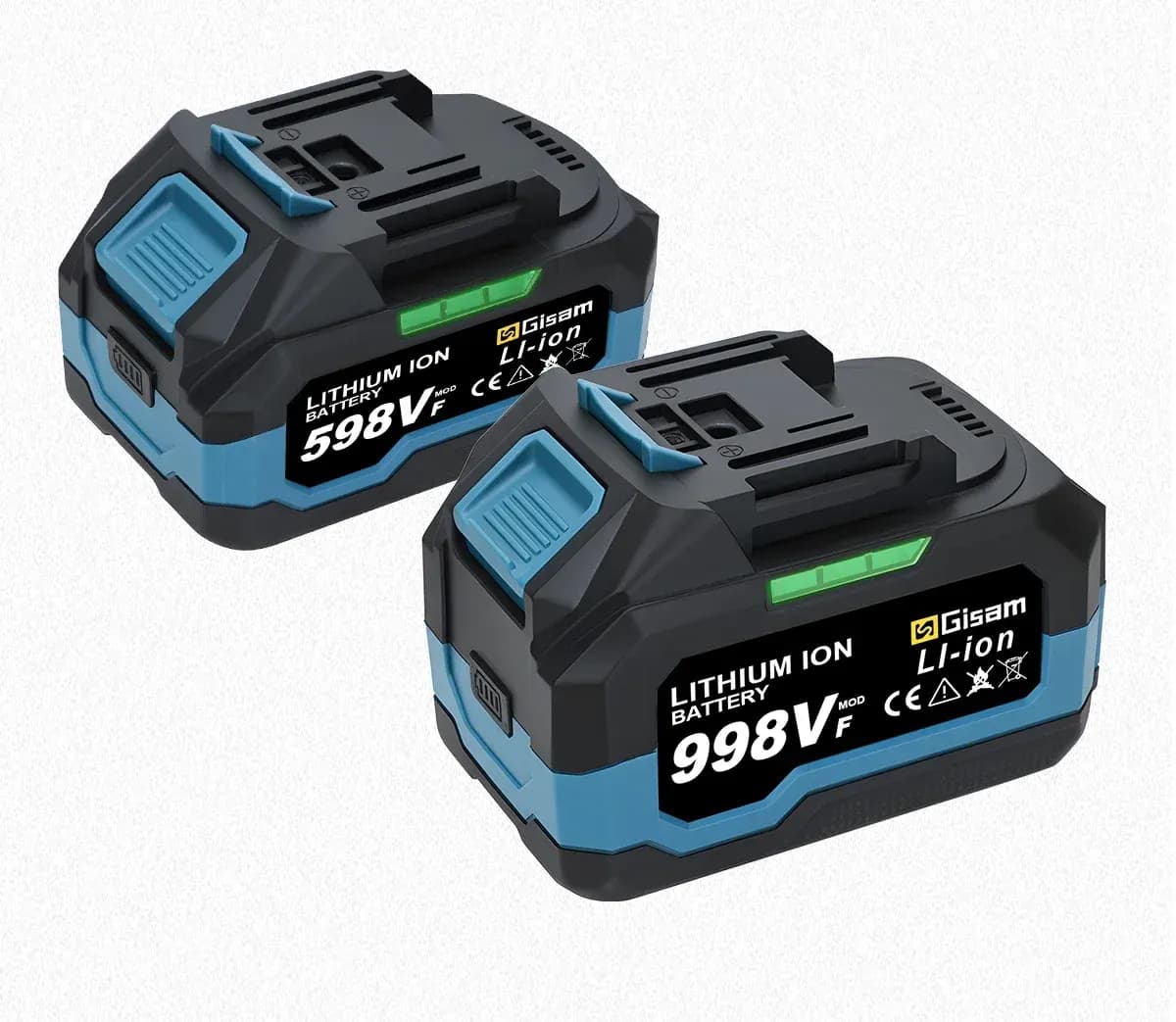
The product note says the machine requires two batteries to operate, which is important because it changes how you plan the job. If you already use Makita 18V batteries, the pin-style compatibility can make the mixer easier to slot into an existing cordless kit, but battery availability becomes part of the buying decision.
That also means runtime will depend heavily on the condition and capacity of the batteries you already own. For longer mixing sessions, having two matched batteries ready is not a convenience feature, it is the difference between working continuously and stopping halfway through a batch.
Where this mixer fits better than a standard drill

A dedicated mixer is usually the safer choice than a drill with a paddle attachment, especially with thick mortar or plaster. The grip, balance and motor layout are designed for sustained stirring, so the tool should feel more stable in the hands and less likely to strain under load.
That makes it a better fit for small contractors, decorators and renovators who mix material often enough to want a purpose-built tool. According to users, the unit has already been tested working properly, which supports the idea that it is not just a spec-sheet exercise.
What to check before you use it on a real job
The main thing to confirm is battery pairing, since the mixer depends on two batteries and not a single pack. It is also worth matching the paddle size to the material, because an oversized attachment can make even a strong mixer feel slower and less responsive.
For paint and lighter compounds, the six-speed control should help keep the finish smooth. For cement and plaster, the real benefit is consistency across the batch, and that is where cordless mixing starts to feel genuinely useful rather than simply convenient.