










Built for faster spreading on fields, lawns, and garden rows
This tool solves a familiar problem in small-scale agriculture and garden maintenance: uneven hand spreading wastes material and leaves patchy results. Gisam’s cordless format turns that job into a controlled pass across the ground, which is exactly where an electric spreader earns its keep.
The brand has built a solid presence in the AliExpress niche by focusing on battery-compatible tools with straightforward functionality and practical output. That approach usually matters more than flashy extras here, and it is why this model feels aimed at users who want usable results rather than a complicated machine.
6-speed control: why the adjustment range matters
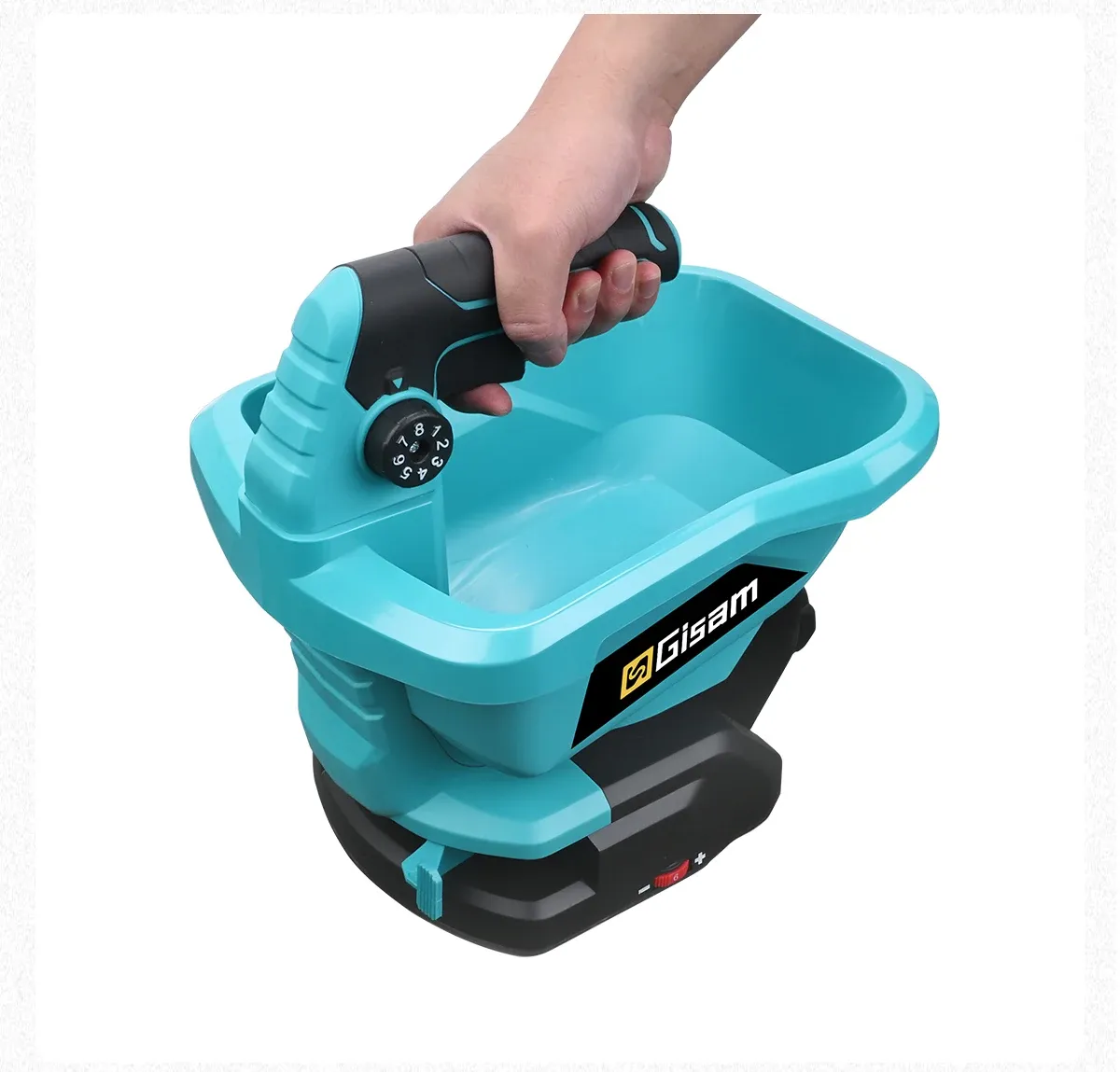
The six-stage speed regulation is the most useful part of the design because it lets you match output to the material, not the other way around. Fine grass seed needs a lighter touch, while fertilizer and vegetable seed often need a stronger, steadier feed to keep coverage consistent.
In practice, that means less over-spraying at the edges and fewer bare patches in the centre of the run. If you switch between lawn work and crop rows, the ability to tune spread intensity is more valuable than raw motor claims, so what does the hopper and drive system contribute next?
4L hopper and 800 m² coverage: the real workload advantage
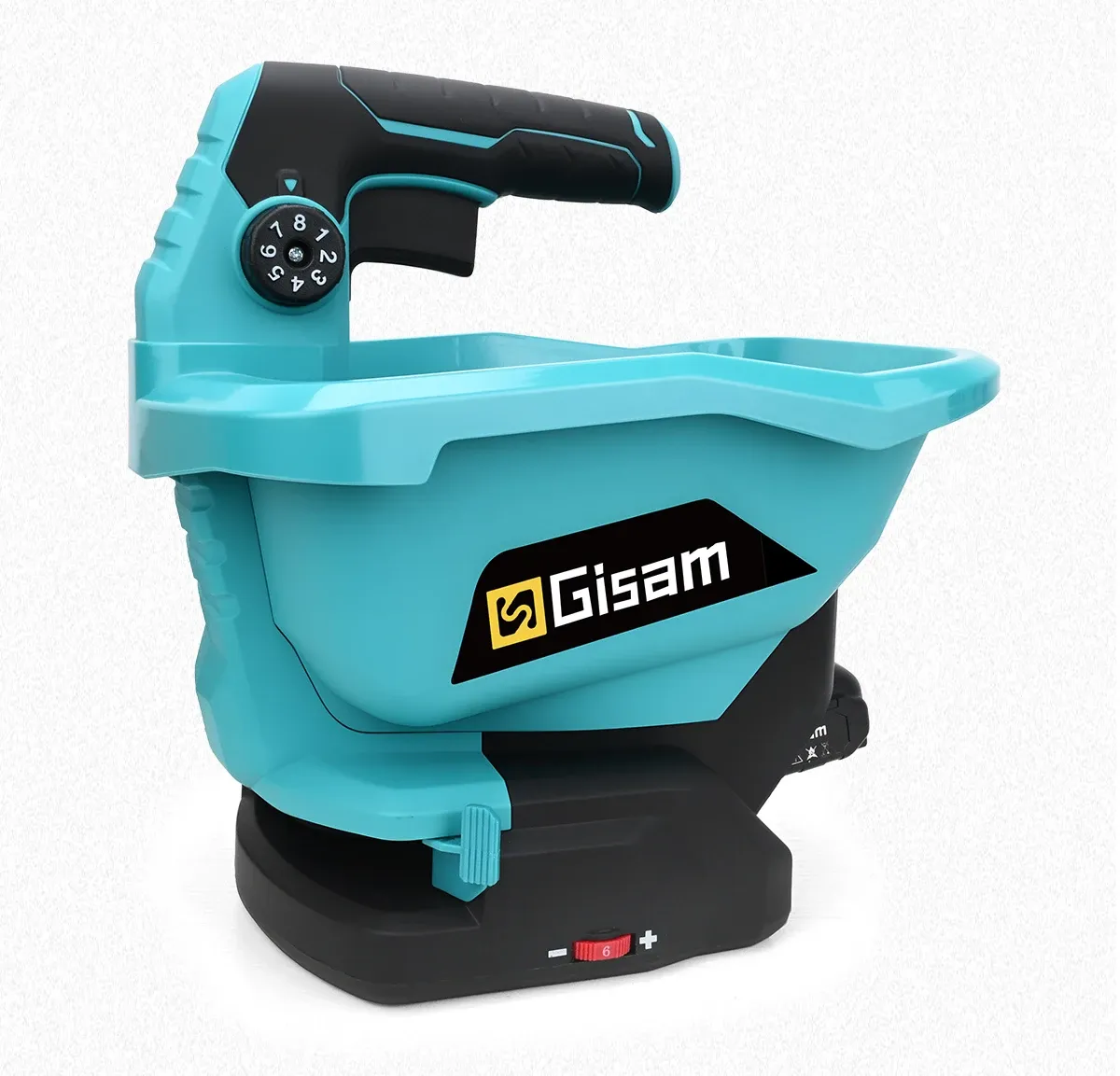
The 4L seed silo is large enough to reduce constant refilling, which helps when you are working across a lawn, orchard path, or a small field section. According to the product data, one fill can handle up to 800 m², so the machine is meant to cover meaningful ground before you stop to reload.
That coverage figure is useful because it points to a time-saving tool, not a novelty accessory. Compared with a manual broadcast shaker, the difference is not just speed; it is also consistency, especially when you want a clean pattern without repeated bending and wrist fatigue.
3400 rpm output: what it suggests for spread quality
The 3400 rpm motor specification points to a fast, stable scatter pattern, which is important when you want seeds to land evenly rather than clump in one lane. A faster drive can help reduce dead zones, and that usually improves the look of the finish on lawns and the emergence pattern in seed beds.
This is also where user feedback matters, and the small review set is mixed: the average rating sits at 3.7/5, with one customer reporting a broken unit. That does not define the whole product, but it does suggest that quality control is the main point to watch before relying on it for larger jobs.
Cordless handling for slopes, orchards, and tight access
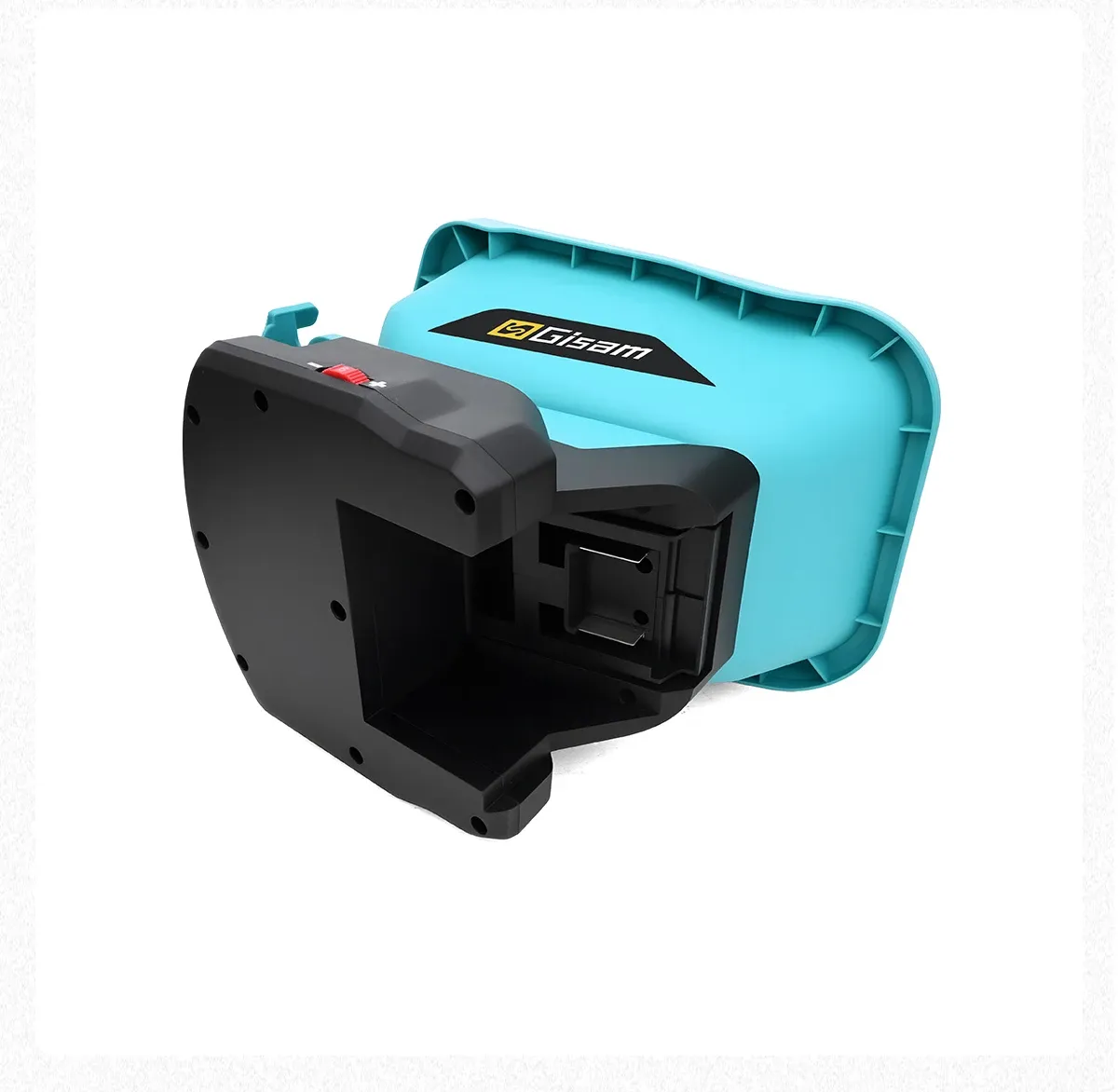
The cordless layout is one of the strongest practical advantages because it removes cable drag and makes the tool easier to move around trees, fences, and uneven ground. For sloped plots or narrow access paths, that freedom can be more useful than extra power on paper.
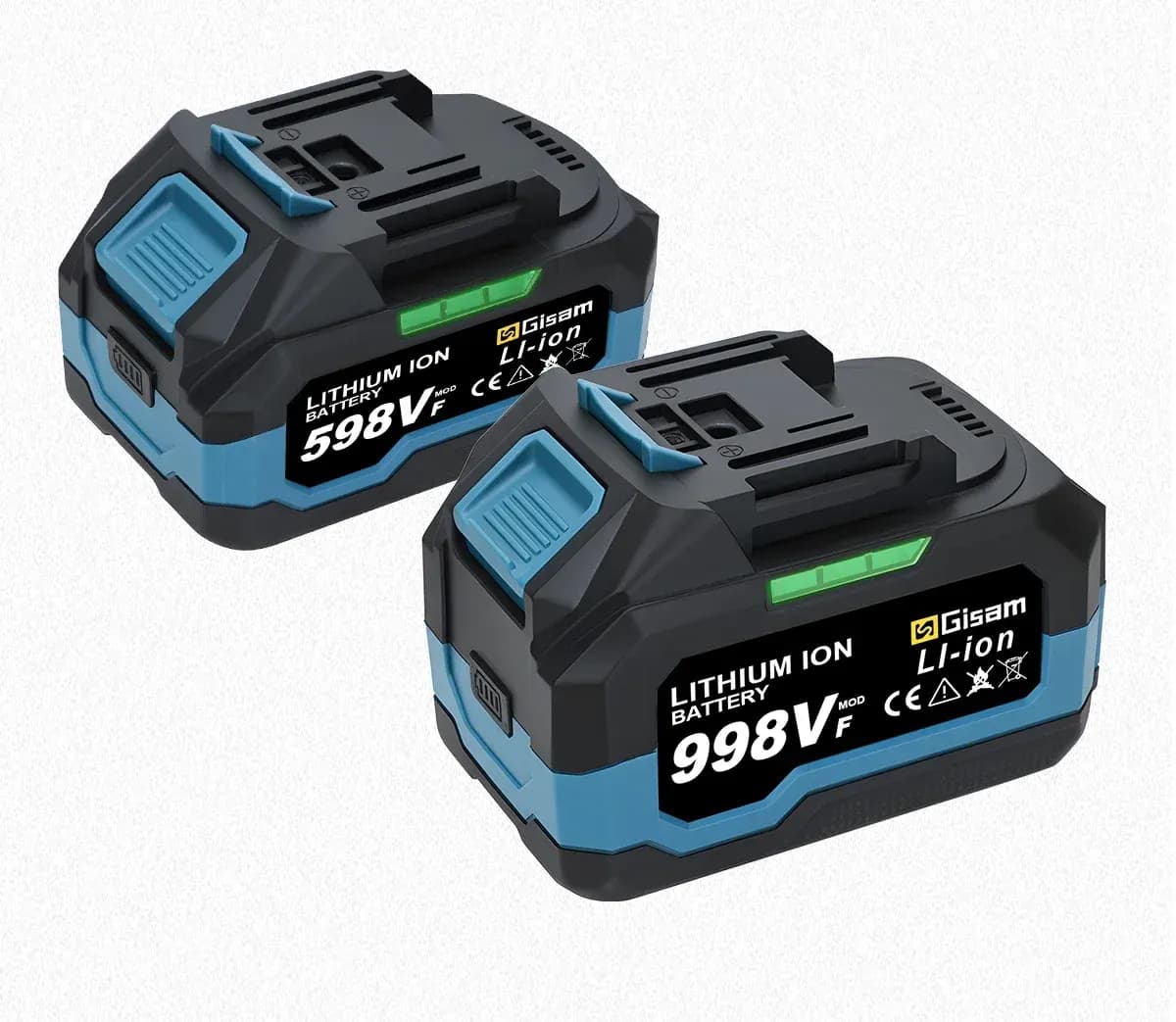
The Makita 18V battery pin compatibility is also a real convenience for users already invested in that platform, since it can reduce the need for another battery system. If you already work with Makita-style packs, the machine slots into an existing setup, which is often the difference between occasional use and regular use.
Who gets the most from this spreader?
This model makes the most sense for gardeners, allotment users, and small-property owners who want faster spreading without moving to a heavy ride-on solution. It is also a sensible fit for users who need one tool for grass seed, fertilizer, and vegetable sowing rather than separate devices for each task.
The main trade-off is that this is still a compact spreader, so it is better suited to controlled area work than to very large commercial acreage. If your goal is neat, repeatable coverage with less physical strain, the next question is whether the build quality matches that promise in daily use.