








Built for jobs that need speed without extra bulk
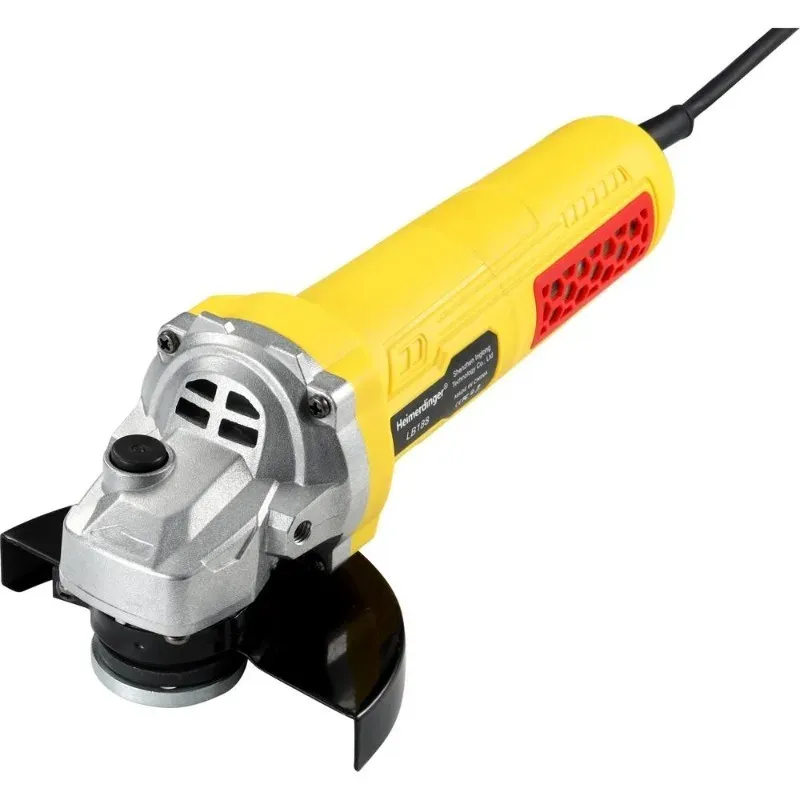
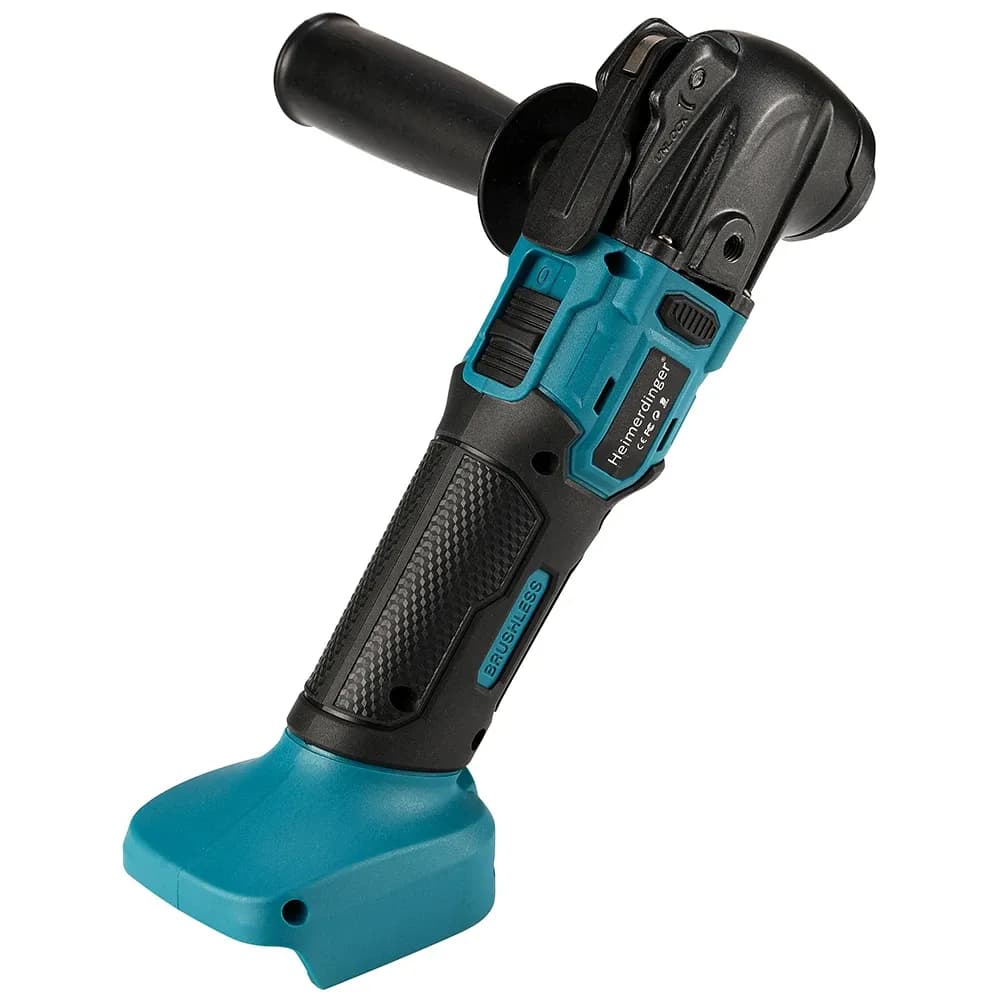
This Heimerdinger grinder is aimed at users who want a corded tool that feels nimble in the hand but still has enough output for routine metalwork, cutting, and surface prep. The 1.5kg body and 125mm disc size make it easier to guide than heavier workshop grinders, which matters when you are working on brackets, pipe sections, or trim pieces.
Heimerdinger has built a strong reputation in the AliExpress UK niche by focusing on practical power tools with brushless motors and straightforward layouts. That usually means less wasted weight, better efficiency, and a spec sheet that makes sense for real workshop use, so the interesting part here is how those choices translate on the bench.
1100W and 10,000RPM: what that means in practice
The 1100W motor and 10,000RPM top speed point to a grinder that should move fast through light and medium-duty tasks, especially with the right disc. Brushless construction is the more important detail here, because it typically improves efficiency and reduces wear compared with older brushed designs, which can help the tool feel more consistent over longer sessions.
For users who mainly cut thin steel, clean weld seams, or dress edges, that speed is a useful advantage. It is not the same as a large industrial grinder, but it does offer a good balance of control and cutting pace for home workshops and small commercial benches.
Quick-change blade setup for faster workflow
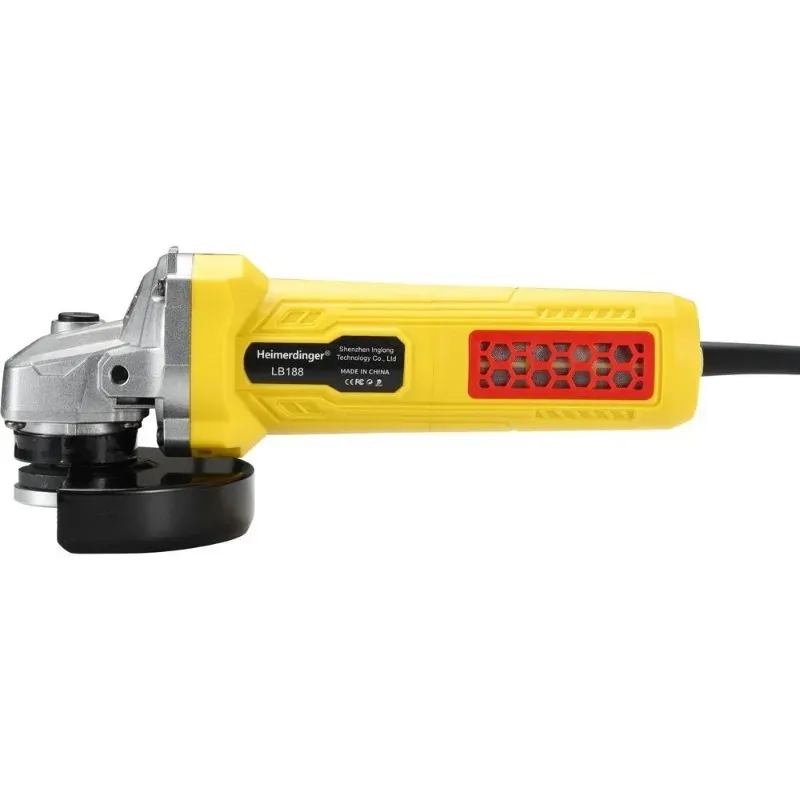
The quick-change blade feature is one of the more practical details, because disc swaps are where many corded grinders slow down in daily use. If you move between cutting, grinding, and finishing discs, a faster change system reduces downtime and keeps the tool in rotation rather than sitting on the bench.
This is especially useful in mixed repair work, where one task can turn into three. Instead of treating the grinder as a single-purpose tool, the quick-change setup makes it easier to switch roles as the job changes, which is exactly where compact grinders earn their keep.
Alloy cover and auxiliary handle improve control
The alloy cover gives the grinder a more durable feel than the light plastic housings found on cheaper units, while the auxiliary handle helps steady the tool when the disc bites into harder material. That combination matters because a grinder is only as useful as the control you can maintain at the edge of the cut.
At 125mm, the disc size is a sweet spot for general-purpose work, offering more reach than mini grinders without becoming awkward in tight spaces. Users who value a firmer front hand and a clearer sense of balance should find the setup reassuring, especially during longer passes.
Where this model fits better than a cordless grinder
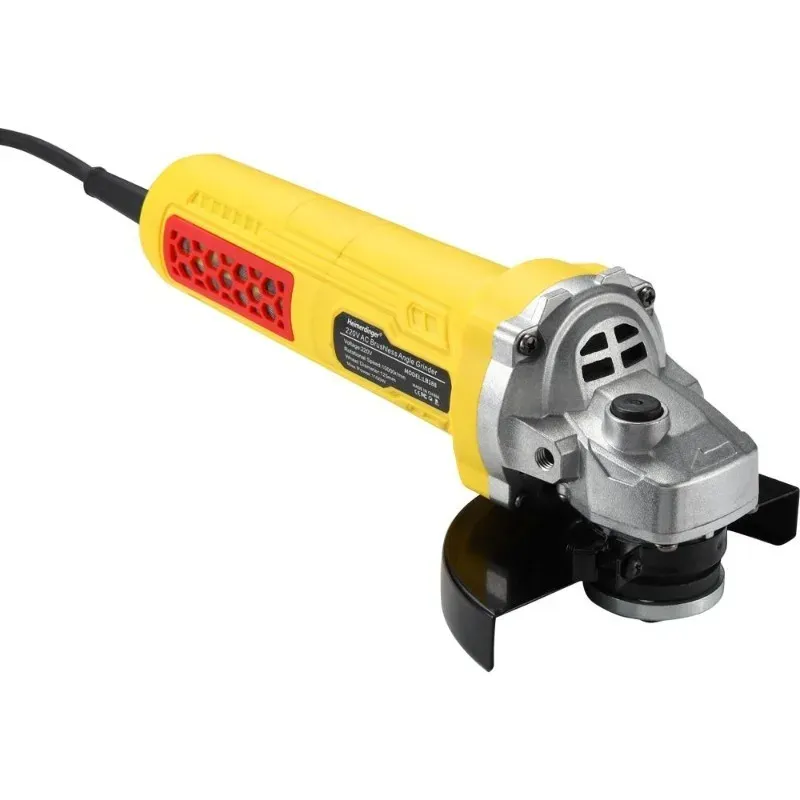
Because it runs on AC 220V, this tool avoids battery management entirely, which is a real advantage for bench-based or garage work. You get steady power for as long as the cable reaches, so it suits users who prefer uninterrupted sessions over the portability of cordless models.
The 180cm cable is long enough for many workshop layouts, though it still asks for a nearby socket or extension lead. If your workbench is fixed and your tasks are repetitive, a corded grinder like this often feels more dependable than a battery tool, and that difference becomes obvious once the sparks start flying.
What real-world users are likely to notice first
With only one recorded customer review, the early signal is limited, but the available feedback is positive and matches the product’s practical spec sheet. In use, the first things users usually notice on a grinder like this are the balance, motor response, and whether the auxiliary handle actually reduces wrist fatigue.
Those details matter more than marketing language, because they decide whether the tool feels precise or merely powerful. If you want to know how it stacks up against other budget corded grinders, the answer comes down to control, not just watts.