









Why this impact wrench matters on the job
Stubborn wheel nuts and seized fasteners are where a cordless impact wrench earns its keep, and this Heimerdinger LB265 is aimed squarely at that problem. With a brushless motor, 18V platform, and 1/2-inch drive, it is designed for car repair and truck repair where hand tools start to feel slow.
The body-only version keeps the entry point lean for users who already run compatible 18V packs, while the bundled battery option makes it easier to get straight to work. That flexibility is useful in AliExpress UK-style tool shopping, where platform compatibility often matters as much as raw torque, so how does it translate in real use?
800N.m claims versus the practical torque figure
The listing headline refers to 800N.m, while the technical specs state a maximum torque of 600N.m, so buyers should read the product as a high-force mid-to-heavy duty wrench rather than a lab-grade spec sheet hero. In practice, that still places it in the zone where wheel changes, suspension hardware, and workshop assembly can be handled without reaching for a breaker bar first.
No-load speed is listed at 3300rpm in the technical data and 0-2300r/min in the description, which suggests the seller has mixed specification sources. That does not erase the tool’s appeal, but it does mean users should judge it by build and task fit rather than by a single headline number alone.
Brushless motor and 18V power on real repairs
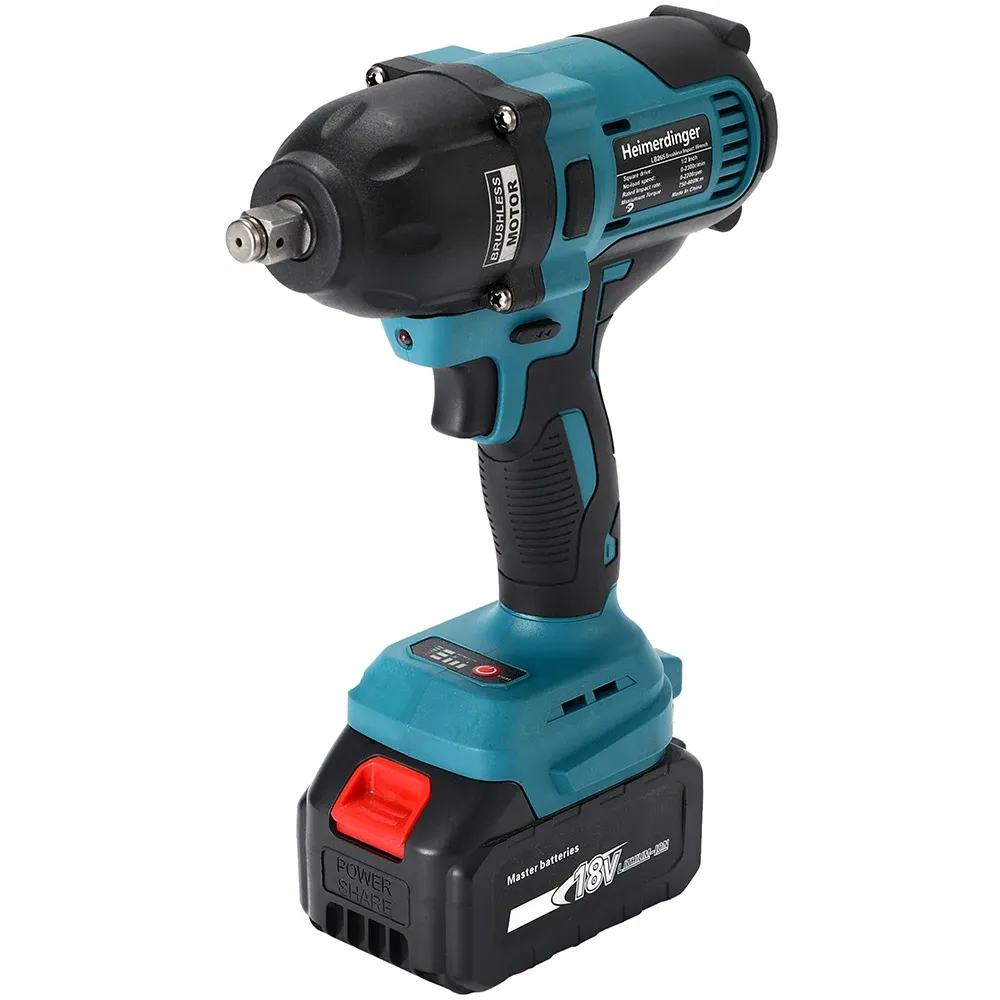
The brushless motor is the feature that should interest regular users most, because it usually means less friction, cooler running, and better efficiency than brushed alternatives. On a tool that may be used repeatedly in a garage or on a van, that can translate into steadier performance and less fatigue from heat buildup.
At 2050g, it is not a featherweight model, and that extra mass is part of what helps it feel planted when it bites into a tight fastener. The trade-off is clear in the hand: it should feel reassuringly solid rather than delicate, which is useful when you want the trigger pull to feel controlled and not twitchy.
Compatibility that suits mixed battery setups
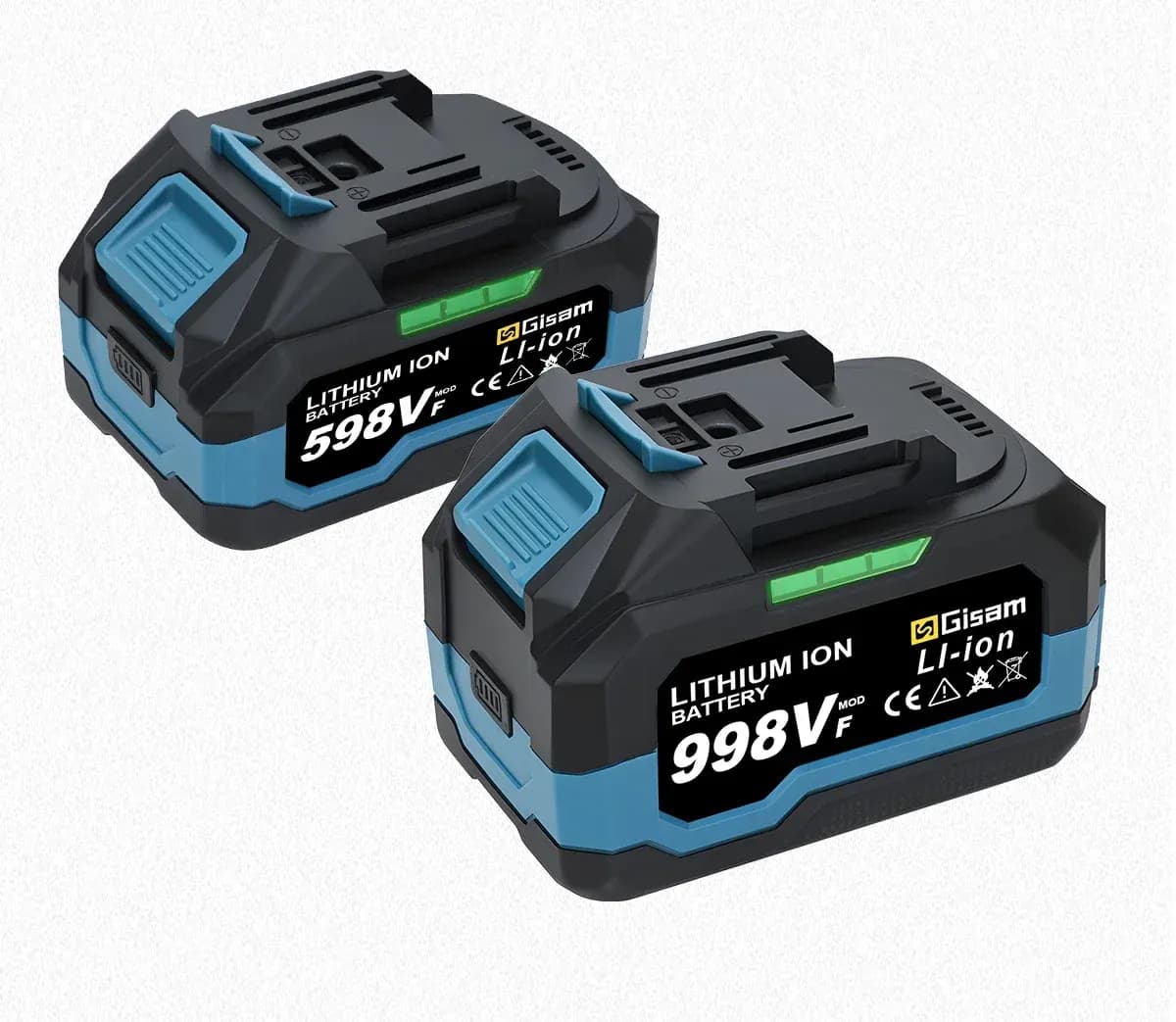
The wrench is sold without a battery in one option, and the description says it works with BL1850, BL1860, and similar lithium packs, plus Heimerdinger 18V batteries. That compatibility matters if your workshop already uses a shared battery ecosystem, because it reduces clutter and keeps the tool easier to slot into an existing kit.
If you choose the battery-and-charger bundle, the setup becomes more straightforward for occasional users or roadside work. The practical question is not just whether it runs, but whether it fits your current charging routine and battery stock without creating another incompatible system, and that is where this model has a clear advantage.
What users are likely to notice first

Real customers have rated it 4.8/5 from a small review pool, and the strongest comment points to fast delivery, careful packing, and strong performance, with one note that the tool feels a bit heavy. That aligns with the specification profile: this is built to feel substantial, not ultra-light.
For mechanics and DIY users, that weight can be a fair exchange for a more confident hit on rusted fasteners. If your priority is compactness over leverage, you may prefer a lighter driver, but if you need grip, impact force, and a 1/2-inch interface, this one starts to make sense.
Where it fits in a workshop
This model suits tyre changes, fleet maintenance, and general mechanical repair where torque delivery matters more than finesse. It is less convincing as a precision assembly tool, but that is not its job; the square drive format, commercial-manufacture use rating, and CE certification point to a tool meant for hard work first.
For readers comparing it with cordless ratchets or smaller 12V impact drivers, the difference is simple: this is the option for fastener breakaway, not detailed engine bay threading. That distinction is what makes the LB265 relevant, especially when you need one cordless tool that can handle tougher jobs without dragging a compressor into the picture.