










Built for stubborn wheel nuts, not light fastening
Heimerdinger has built a solid reputation in the AliExpress UK power-tool niche by focusing on practical cordless bodies that reuse existing battery ecosystems. That approach keeps the entry cost sensible while giving workshop users access to brushless motors and commercial-style torque figures without moving into premium-brand territory.
This LB160 impact wrench is aimed at jobs where a hand ratchet starts to feel pointless, especially tyre changes and seized fixings on cars, vans, and light trucks. The headline 588N.m figure suggests real loosening power, and the 1/2-inch square drive keeps it compatible with standard automotive sockets, so what does that mean on the ramp?
588N.m in a 1.5 kg body
At 1,500g, this is light enough to work overhead or on repeated wheel swaps without the wrist fatigue that comes from heavier impact guns. The 3,300rpm no-load speed points to quick spin-up, which helps when you want fast removal before the hammering action takes over.
In practice, the brushless motor is the feature that matters most for long sessions, because it usually runs cooler and wastes less energy than brushed alternatives. Users also note that the tool feels well assembled, with one review mentioning proper lubrication and no motor overheating, which is encouraging for a budget cordless body.

Makita battery compatibility changes the value equation
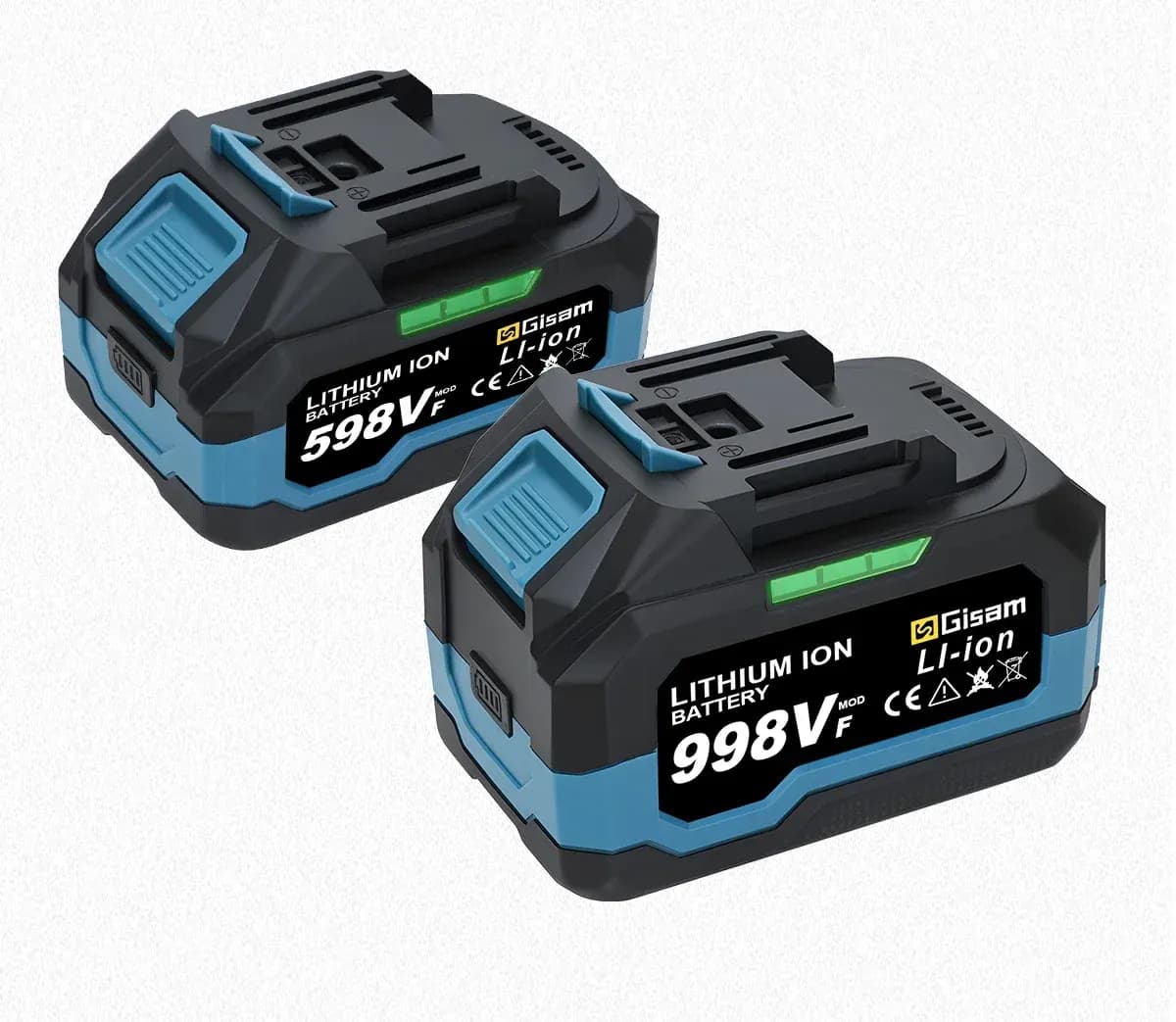
This model is sold as a body-only tool, so the real advantage is compatibility with Makita 18V B-series batteries. If you already run BL1850B, BL1840B, BL1830B, BL1430B, or similar packs, you can slot this into an existing kit and avoid building a separate battery collection.
The compatibility note is important, though, because it does not work with Makita G-series packs or older 18V Ni-Cd batteries. That detail makes it a better fit for users who already know their battery platform, and it is one of the main reasons the tool feels smart rather than generic.
Where it fits best in a garage workflow
This wrench makes the most sense for tyre rotation, brake work, suspension fasteners, and general repair tasks where speed matters more than finesse. The 1/2-inch drive and commercial-use rating suggest a tool that belongs in a garage drawer or service van rather than a hobby bench only.

It is not a torque wrench, so final tightening still needs a calibrated hand tool if you want accurate clamping force. That distinction matters, because the wrench is there to break and run fasteners, while the last turn should stay controlled, and that workflow is what separates a tidy job from a rushed one.
What the early feedback suggests
Real customer feedback is limited but consistently positive, with a small set of reviews giving it a 5/5 average. The strongest themes are straightforward: it unscrews wheel nuts normally, works well in cold conditions, and arrives with decent internal assembly, which supports the price-to-performance case.
For an affordable cordless impact wrench, that combination is more useful than flashy extras. If you want a body that can join an existing Makita-compatible setup and handle routine automotive loosening without drama, the LB160 is already pointing in the right direction, so the remaining question is how much torque reserve you actually need?