








Built for jobs that need torque, not just speed
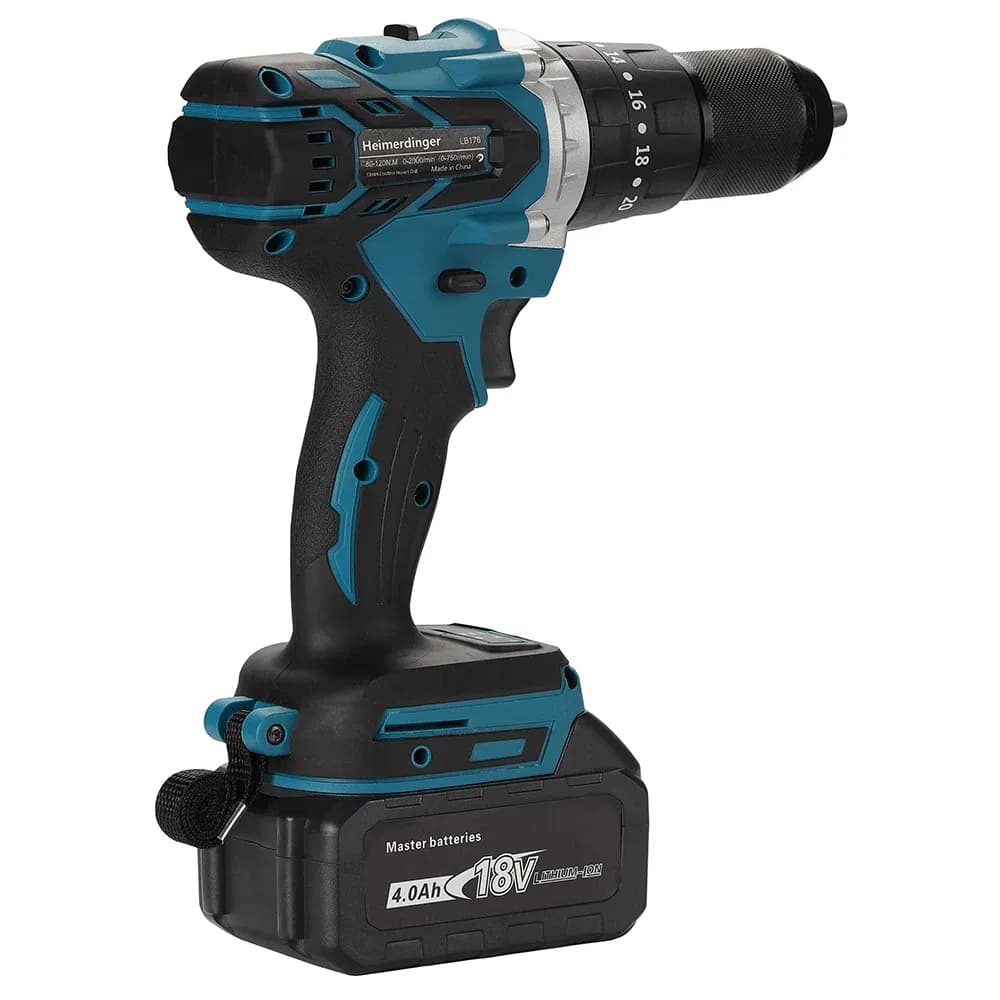
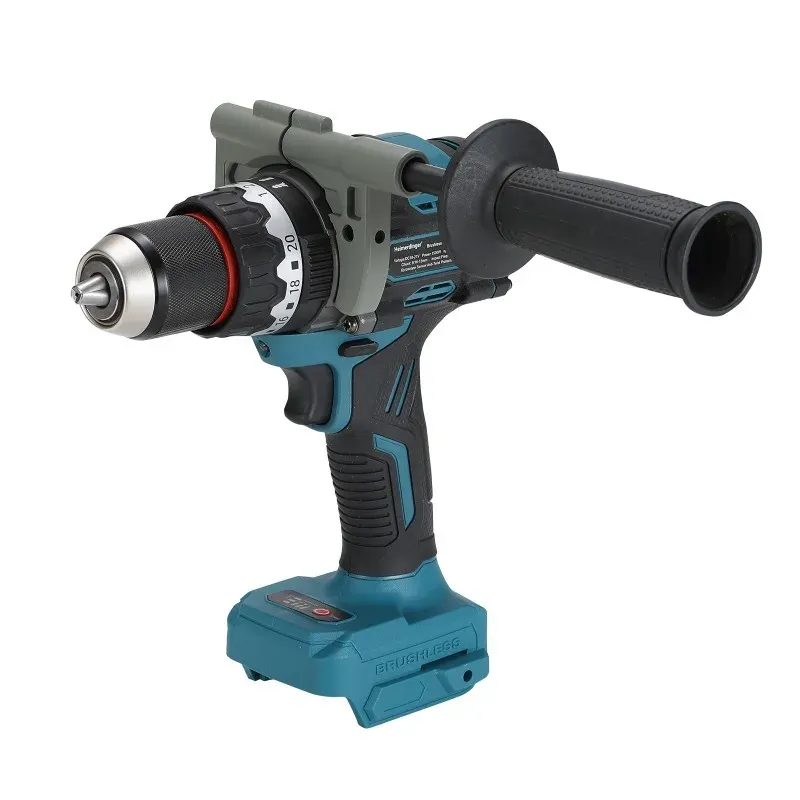
This Heimerdinger 18V drill is aimed at users who need one cordless tool to cover fastening, drilling, and light masonry work. With 80-120Nm of torque and a brushless motor, it is designed to keep pulling through dense material without feeling strained too early.
The 1.4kg body weight keeps it manageable overhead and on ladders, while the 13mm chuck opens the door to larger bits than many compact DIY drills. That makes it more useful for renovation teams and serious home projects, but how does that translate once the bit hits the material?
What 80-120Nm feels like in real use
Torque is where this drill separates itself from small household models. In practice, that means firmer screw driving into timber, more control with larger fixings, and better confidence when using hole saws or auger-style bits within its limits.
Users mention that it handles demanding tasks well, including drilling with larger augers, which supports the claim that this is not just a light-duty screwdriver with a drill badge. The two-speed layout, up to 1350rpm, gives it a sensible split between controlled fastening and faster drilling, so what happens when you switch to impact mode?
Impact, hammer, and screwdriver modes in one body
The 3-in-1 setup is the main selling point here: impact drill, hammer drill, and screwdriver drill. That matters because one tool can move from assembling frames to drilling wood, then to tackling concrete or brick for lighter renovation work.
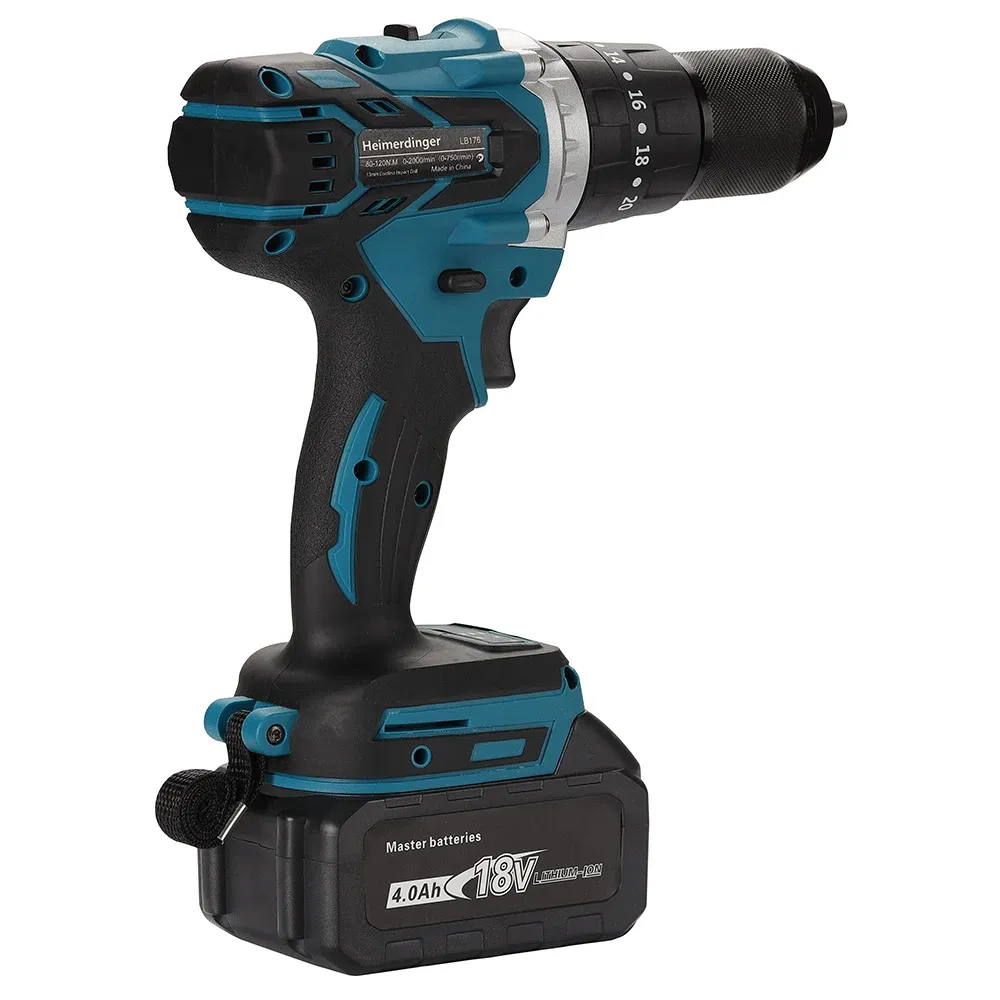
It is not a substitute for a full SDS rotary hammer on heavy masonry, but the quoted 14mm concrete capacity and 38mm wood capacity make it a practical crossover tool. For users who want fewer tools on the bench, the real question is whether the battery system holds up under load.
Battery capacity that suits longer sessions
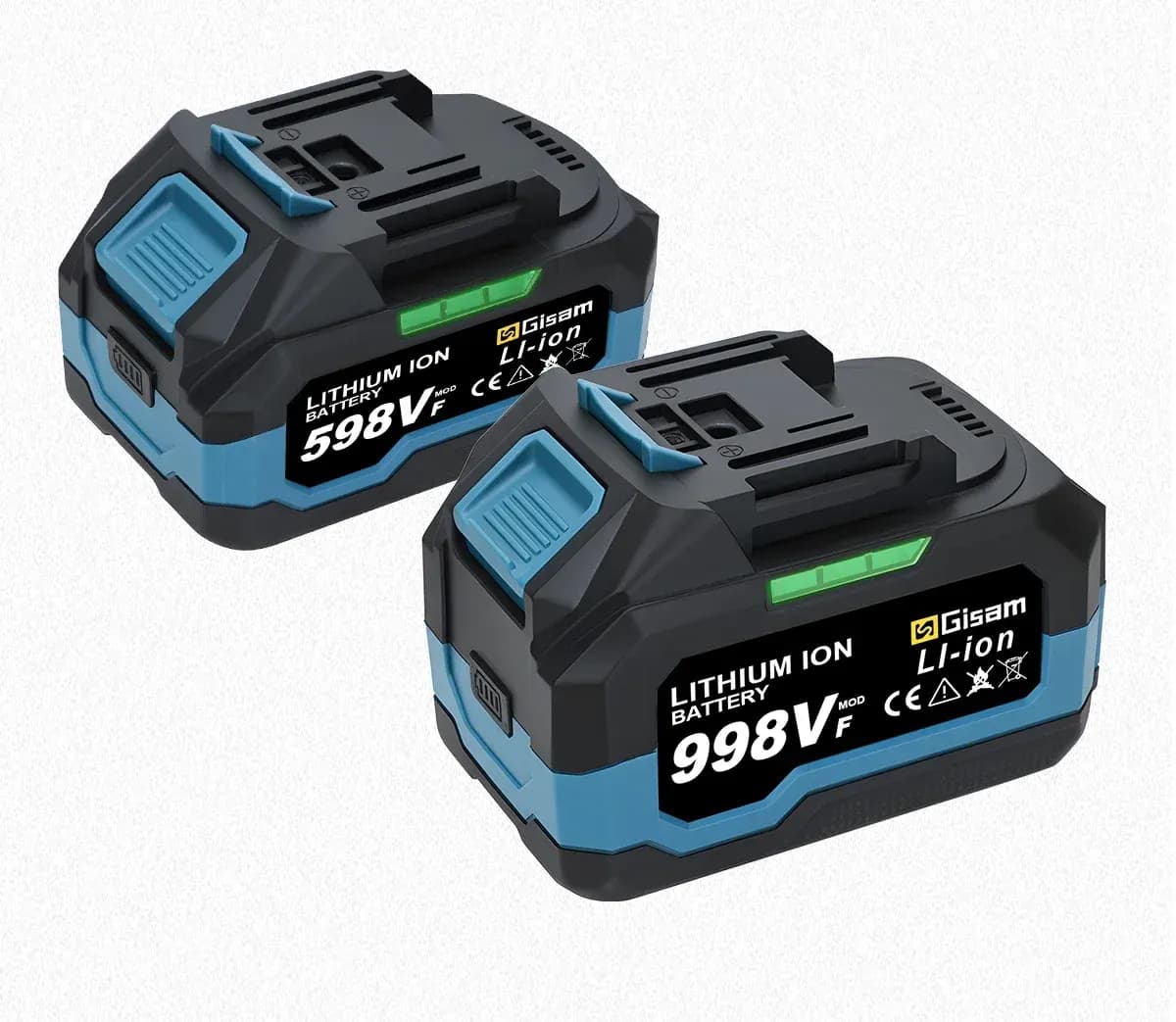
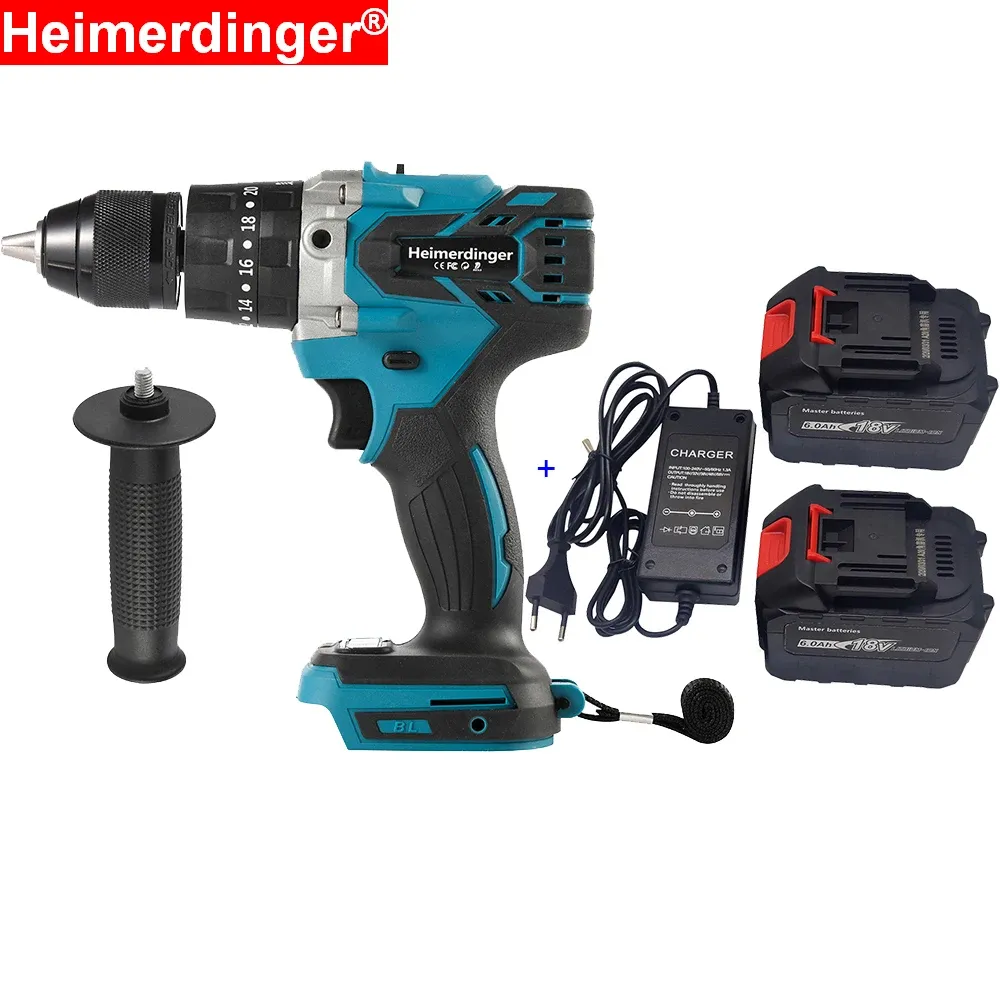
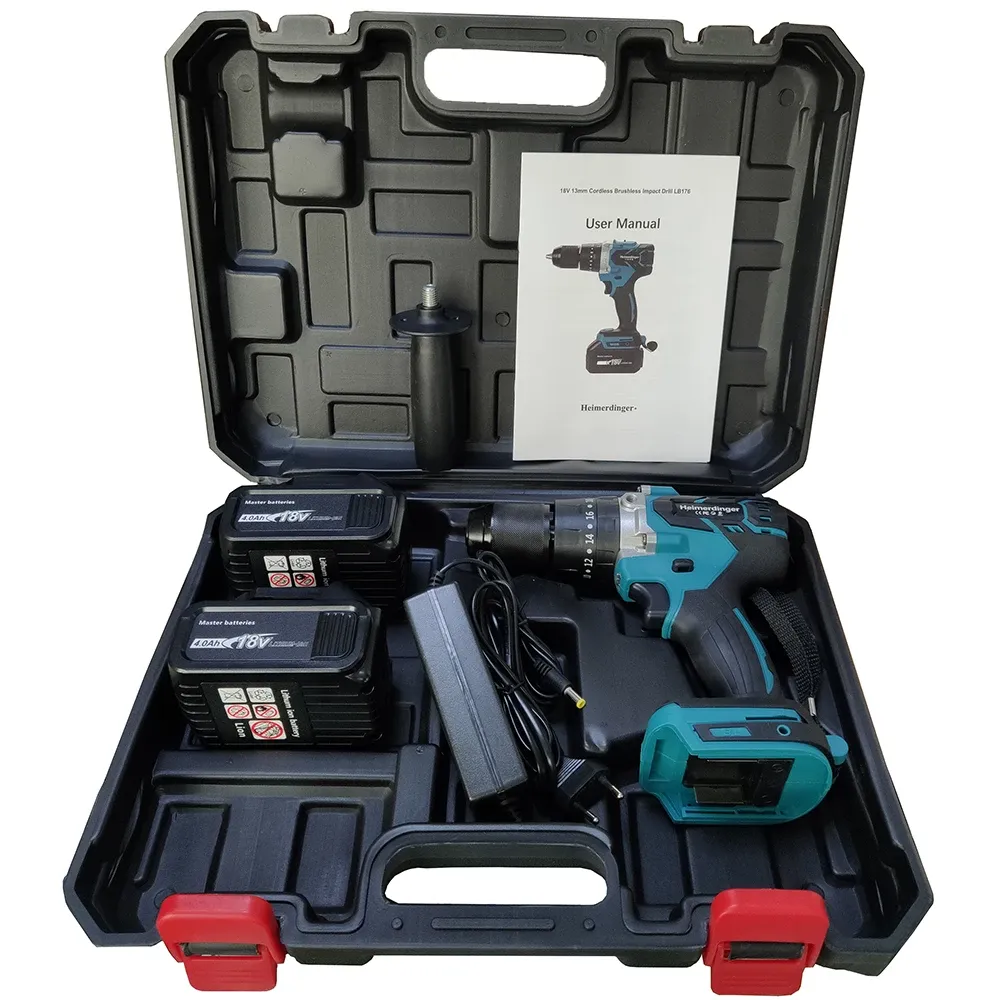
This package includes two 18V batteries, with options listed as 4.0Ah or 6.0Ah, which is a meaningful advantage for workdays that run longer than a single charge cycle. Two packs let one charge while the other is in use, reducing downtime on site or in the garage.
Customers also note that the batteries have noticeable weight, which usually points to a more substantial pack rather than a token accessory. That extra mass can improve balance on a tool of this size, but it also explains why the drill feels more substantial than basic cordless screwdrivers, so is the build reassuring enough?
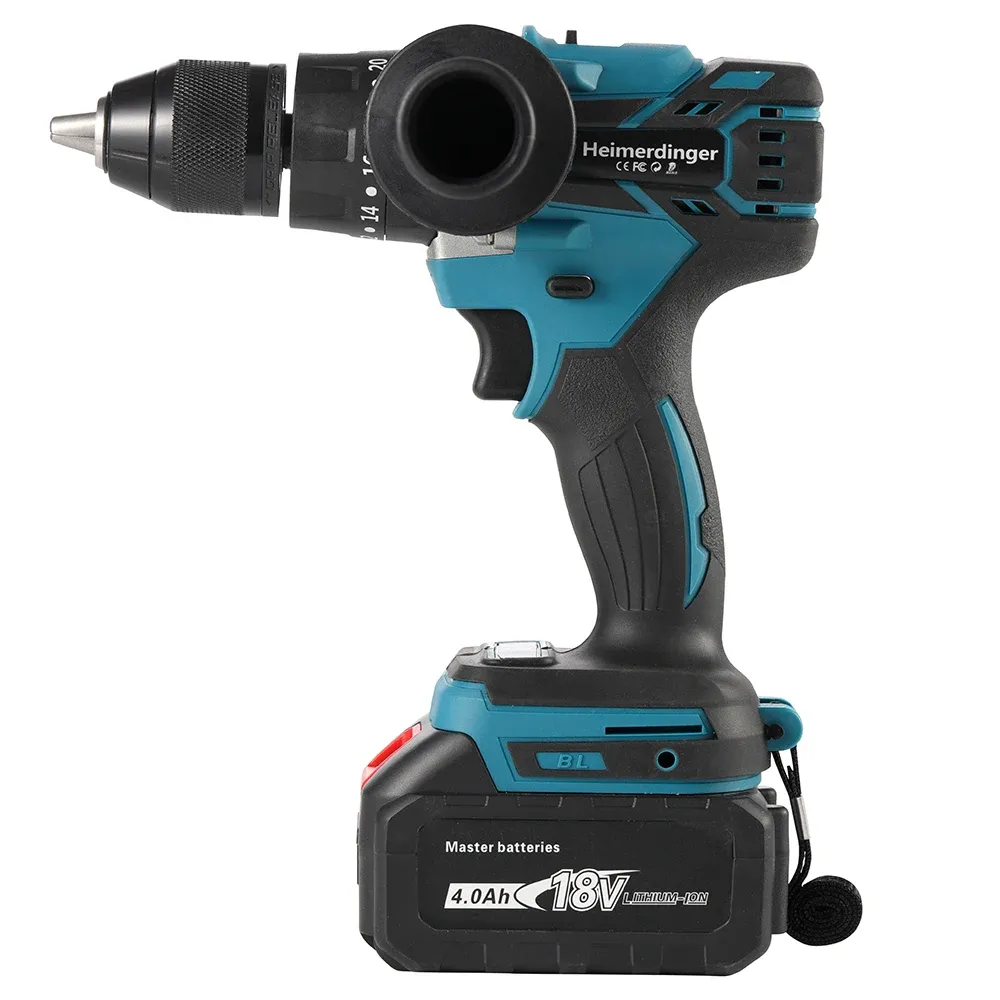
Metal chuck and brushless motor: the useful hardware choices
The 1.5mm-13mm chuck range is broad enough for common drill bits, driver bits, and many accessory combinations, while the metal construction should feel more secure than plastic alternatives. A brushless motor is another sensible choice because it usually runs cooler and wastes less energy than brushed designs.
That should help with efficiency, especially when the drill is used in repeated bursts during renovation work. Real-world feedback is mostly positive, with customers praising drilling performance and fast delivery, though a few mention weight and case quality as the trade-offs to watch.
Who gets the most value from it
This model makes most sense for users who want a cordless drill that can cover mixed tasks without moving up to a heavier professional platform. It is especially relevant for fitting, assembly, shelving, light concrete drilling, and workshop work where torque matters more than ultra-compact size.
If you already own batteries in a compatible 18V ecosystem, the compatibility note around 1830, 1840, 1850, and 1860-style packs may be useful, but this listing already includes batteries and a charger. For AliExpress UK readers comparing options, the appeal is the balance of brushless efficiency, dual-battery convenience, and a price point that stays grounded rather than extreme.