










Power that suits renovation work, not just light DIY
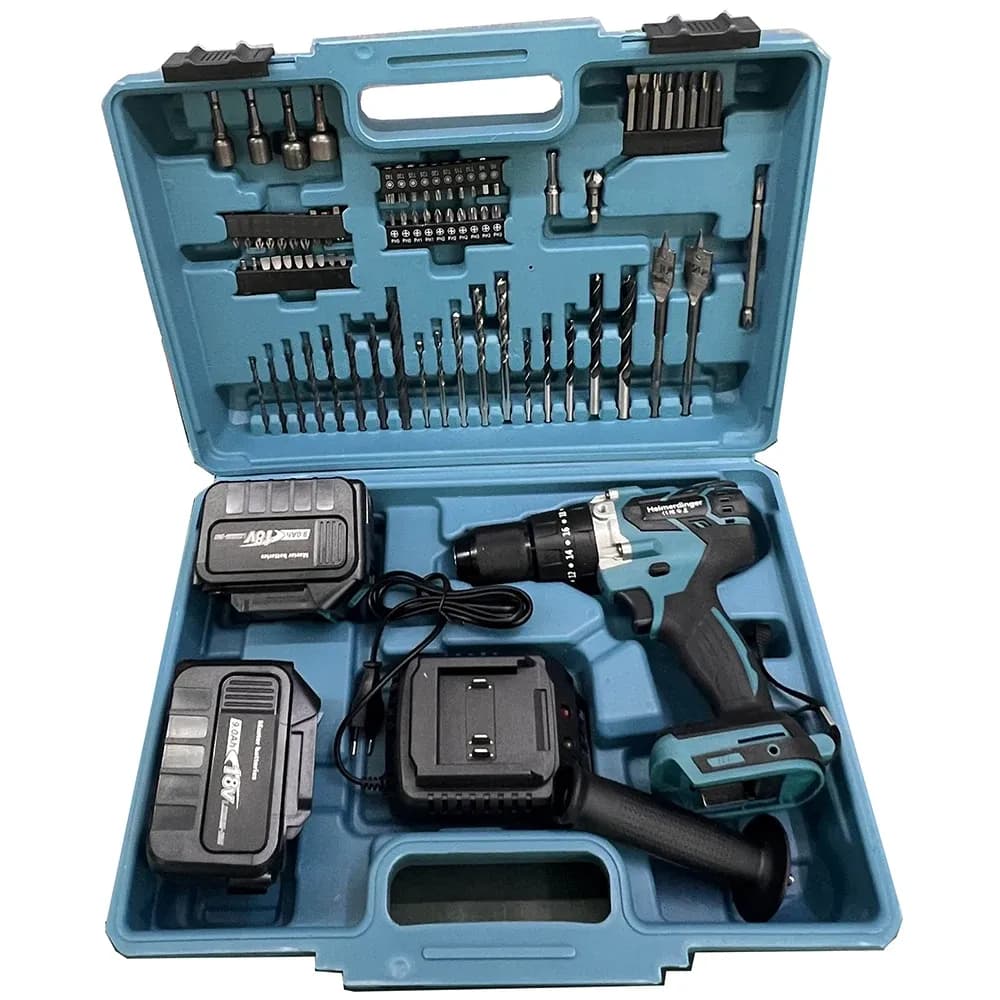
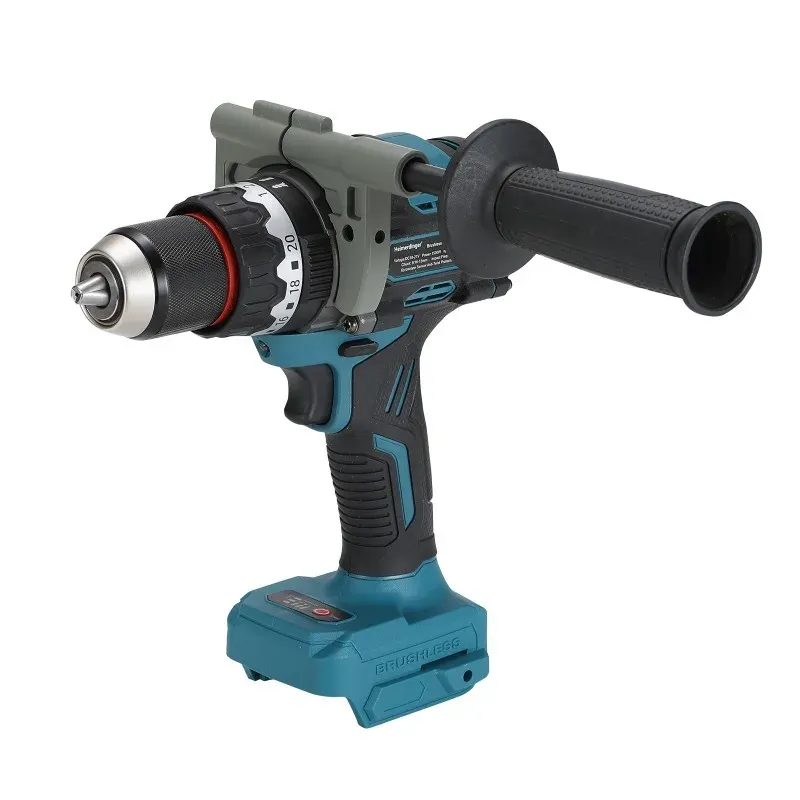
The LB176 is aimed at users who need one cordless tool to cover drilling, impact work, and screwdriving without carrying a full kit. Its 18V brushless motor and 80-120Nm torque range place it closer to a jobsite-style drill than a basic home model.
That matters when the task shifts from softwood to denser materials, because the tool has the reserve to keep spinning instead of stalling early. If you have ever felt a compact drill run out of breath halfway through a fix, the next question is how the chuck and speed control support that power.
13mm chuck capacity and 1350rpm: what they mean in practice
A 13mm chuck gives enough room for standard drill bits and many screwdriver accessories, so the tool is not locked into one narrow use case. The no-load speed of 1350rpm suggests it is tuned for controlled work rather than high-speed, delicate finishing.
In practical terms, that makes it better suited to fastening, masonry-style impact tasks, and general renovation drilling than ultra-fine cabinet assembly. Users who want one drill for mixed site work will likely appreciate that balance, but the battery setup is where the real ownership cost is decided.
Brushless motor efficiency and battery choice
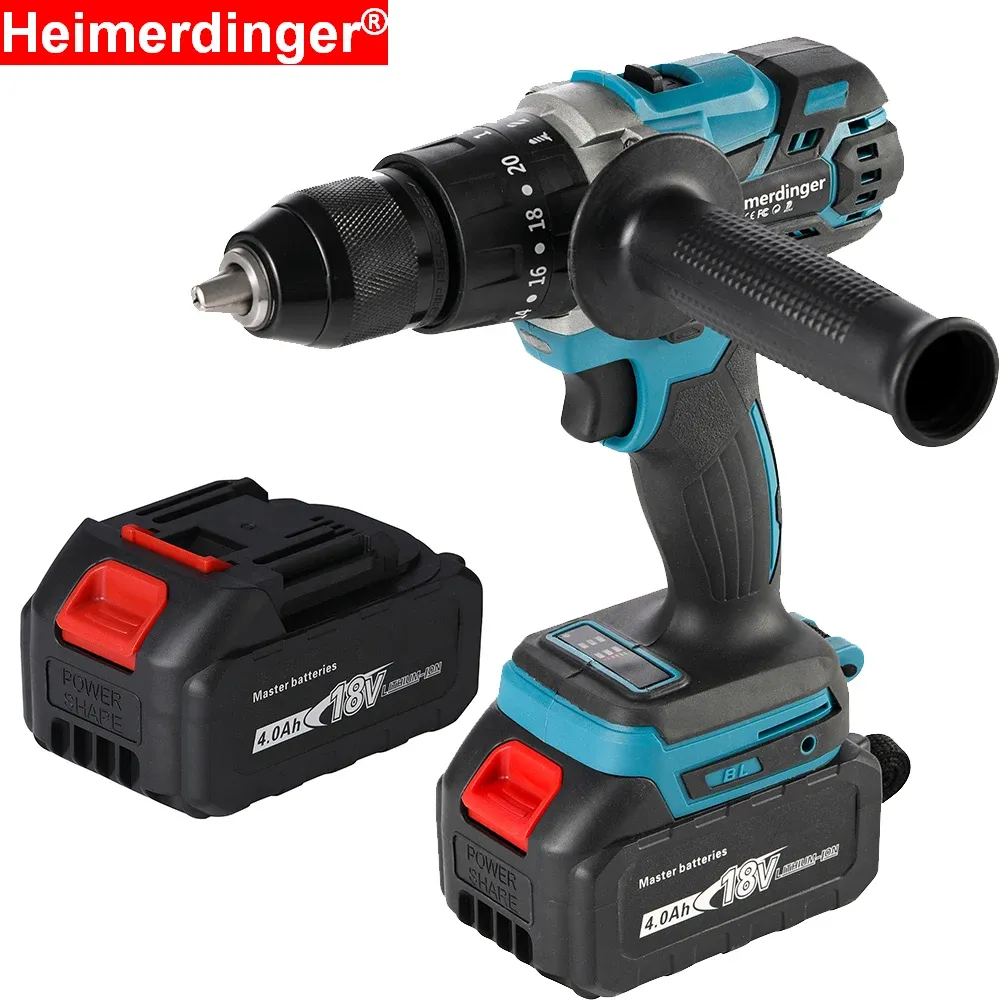
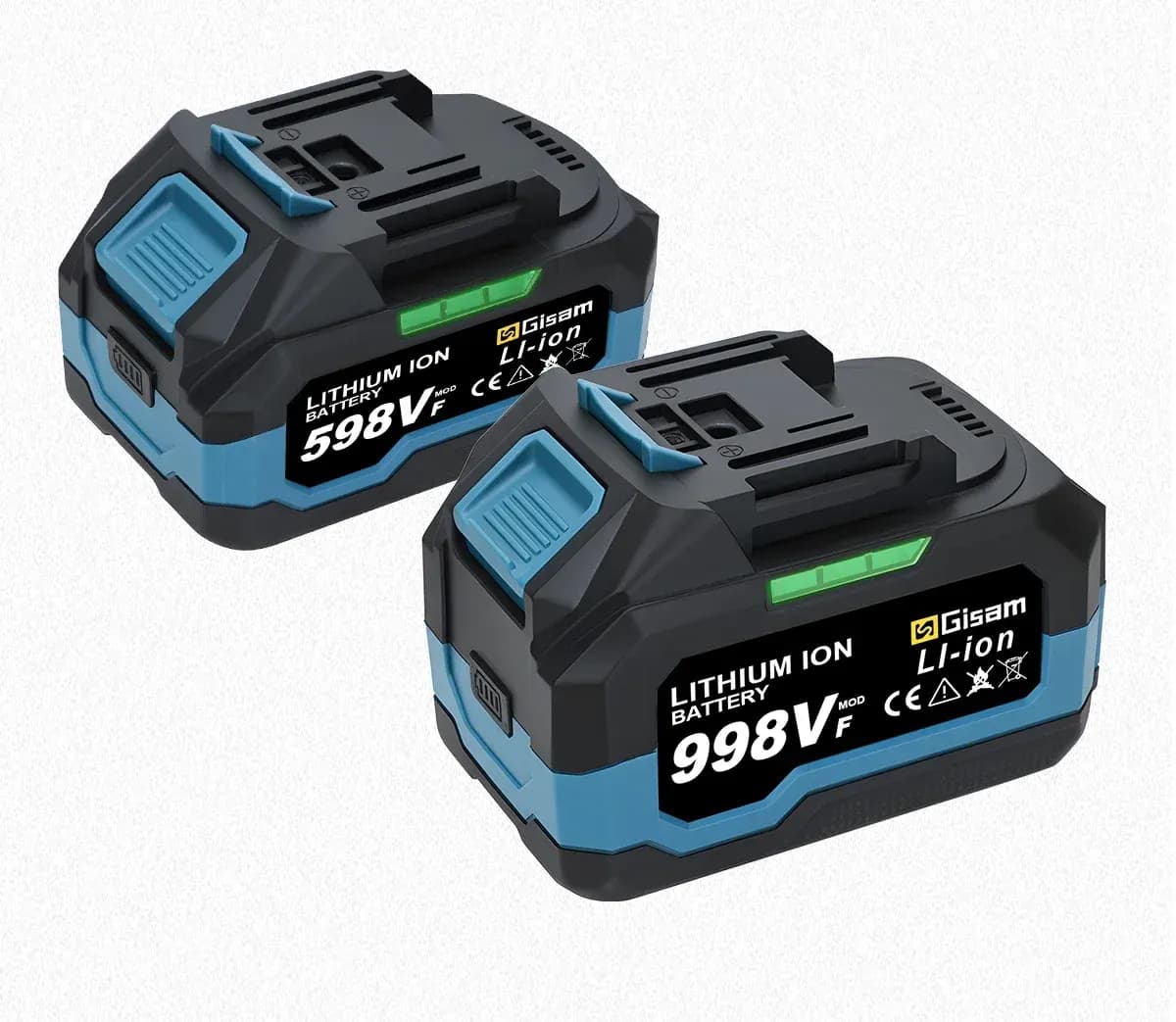
The brushless motor is the most meaningful upgrade here, since it usually means less heat, better efficiency, and less wear over time than brushed designs. With battery power as the source, runtime depends heavily on whether you pair it with the recommended two 4.0Ah or 6.0Ah packs.
Real customer feedback points to long sessions on a single charge when the batteries are properly conditioned, and that fits the tool's renovation-first positioning. The drill body is sold without batteries, so the next step is checking whether the 1.4kg frame feels manageable in hand.
1.4kg body weight and handling on longer jobs
At 1.4kg for the body, the drill sits in a practical middle ground: light enough for overhead use, but heavy enough to feel stable when the bit bites into material. That extra planted feel can help reduce wrist twitching during tougher fastening jobs.
Customers also describe the tool as powerful and comfortable, though some note that the weight becomes more noticeable with larger batteries attached. If you work on ladders, in ceilings, or in confined service spaces, that trade-off is worth considering before you choose your battery capacity.
What the real reviews suggest about daily reliability
Across 123 reviews, the tool holds a 4.8/5 average with a 96% positive rate, which is a strong signal for this category. Users repeatedly mention solid drilling performance, dependable battery behaviour, and a body that feels capable rather than fragile.
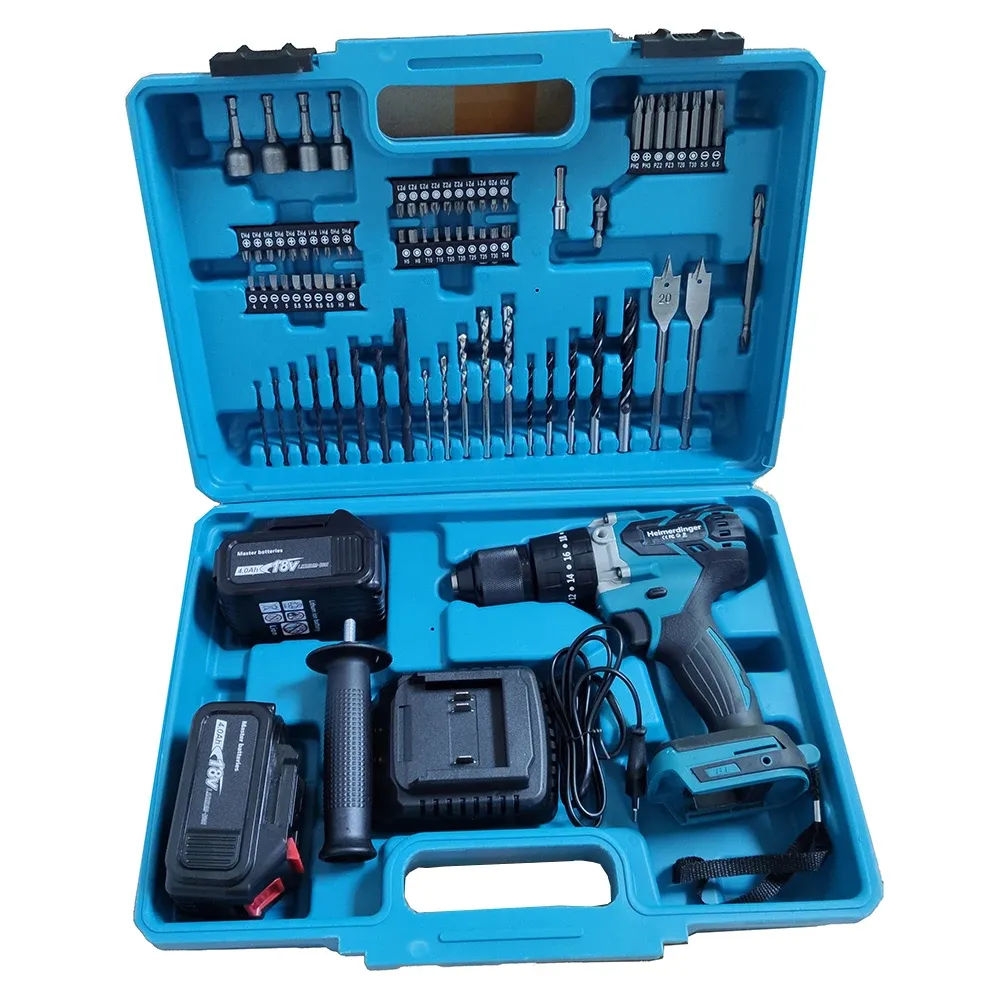
A few comments point to the chuck feeling less tight after heavy use or the handle feeling less reassuring in cold conditions, so this is not a luxury-grade finish. Even so, the overall pattern suggests a tool that earns trust through output, which is exactly what renovation teams usually care about next.
Who it suits best
- Renovation teams that want one drill for drilling, screwdriving, and impact work.
- Users already invested in 18V battery systems and looking for a brushless body.
- DIYers who want more torque than a basic household drill can provide.
What to check before you get it
- The listing does not include batteries, so runtime depends on the packs you already own or add.
- The tool is designed around 18V battery power, which makes system compatibility important.
- Heavier batteries improve runtime but also make the drill feel more front-loaded during long sessions.