










Why this router body matters for cordless woodworking
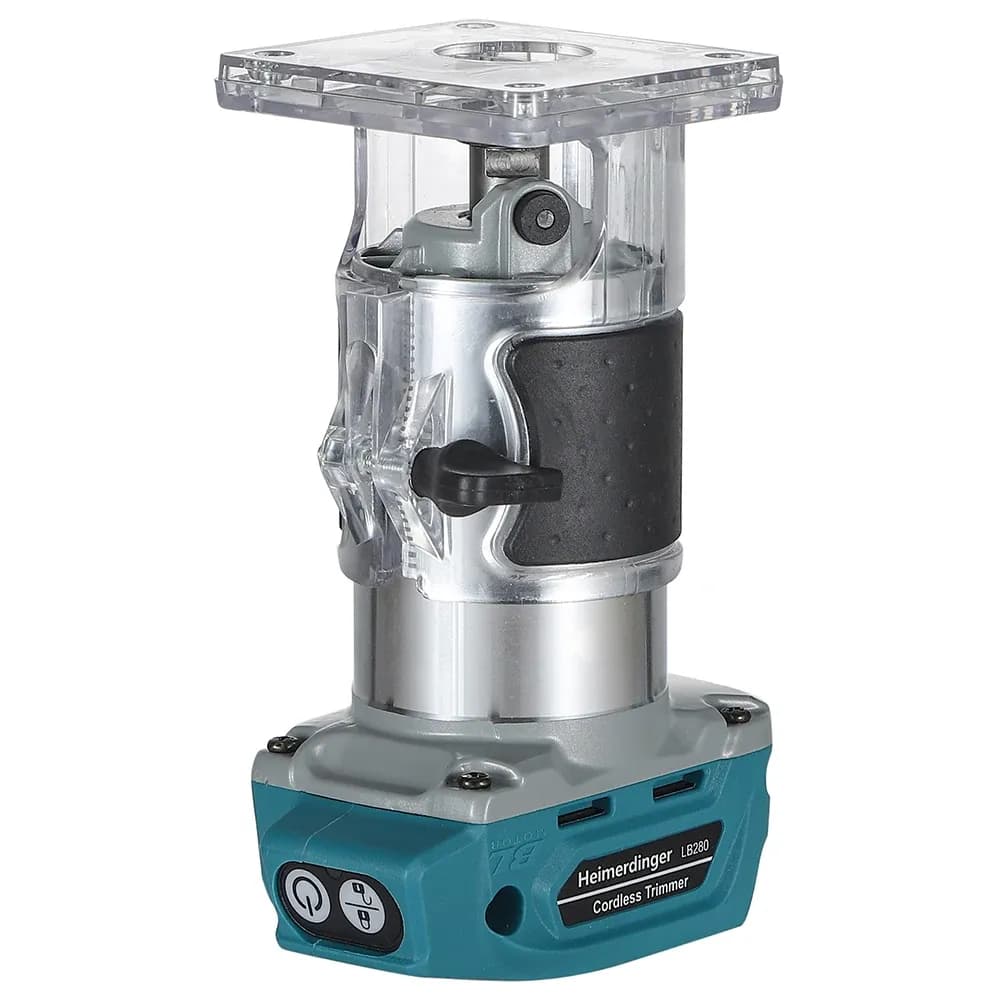
This router body solves a familiar workshop problem: you want clean trimming and edge work without dragging a cord across the bench. With a brushless motor and Makita BL18-series battery compatibility, it is aimed at users who already run a cordless kit and want a lighter, more flexible routing setup.
At 11,000rpm and 1000W rated input, it sits in the zone where small edge tasks feel controlled rather than aggressive. That matters because compact routers are often judged less by raw power than by how steadily they hold a cut, and this one is clearly tuned for home DIY use, which is where the next detail becomes important.
11,000rpm in a compact body: what that means on the bench
The no-load speed suggests a fast, clean pass on softwood edges, laminate trimming, and light chamfering. It is not a replacement for a full-size plunge router on deep passes, but for cabinet edges, shelf finishing, and quick template work, the speed range is practical and predictable.
A brushless motor usually brings better efficiency and lower heat build-up than a brushed design, so the tool should stay more consistent during longer sessions. In a cordless router, that efficiency matters because battery runtime and torque delivery are tied closely to how hard the motor has to work, which raises the question of how the battery platform affects real use.
Makita battery compatibility: the real convenience factor
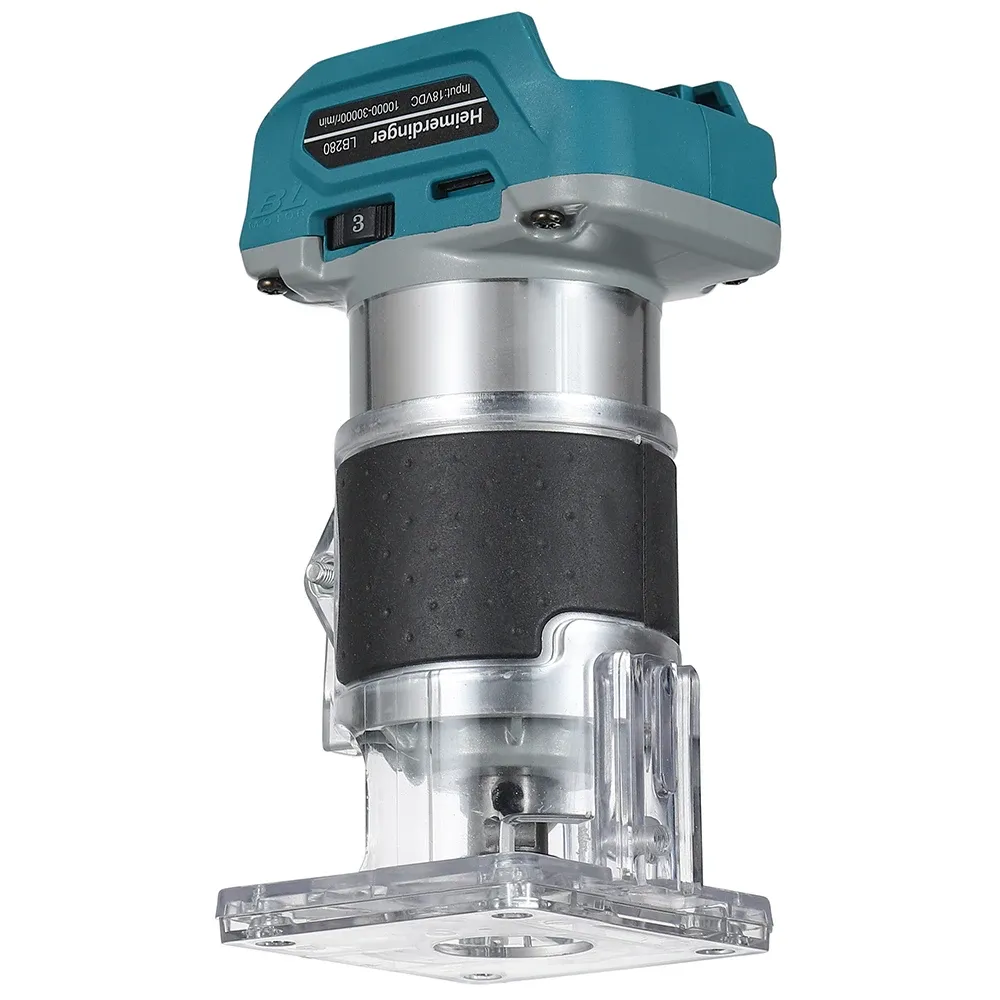
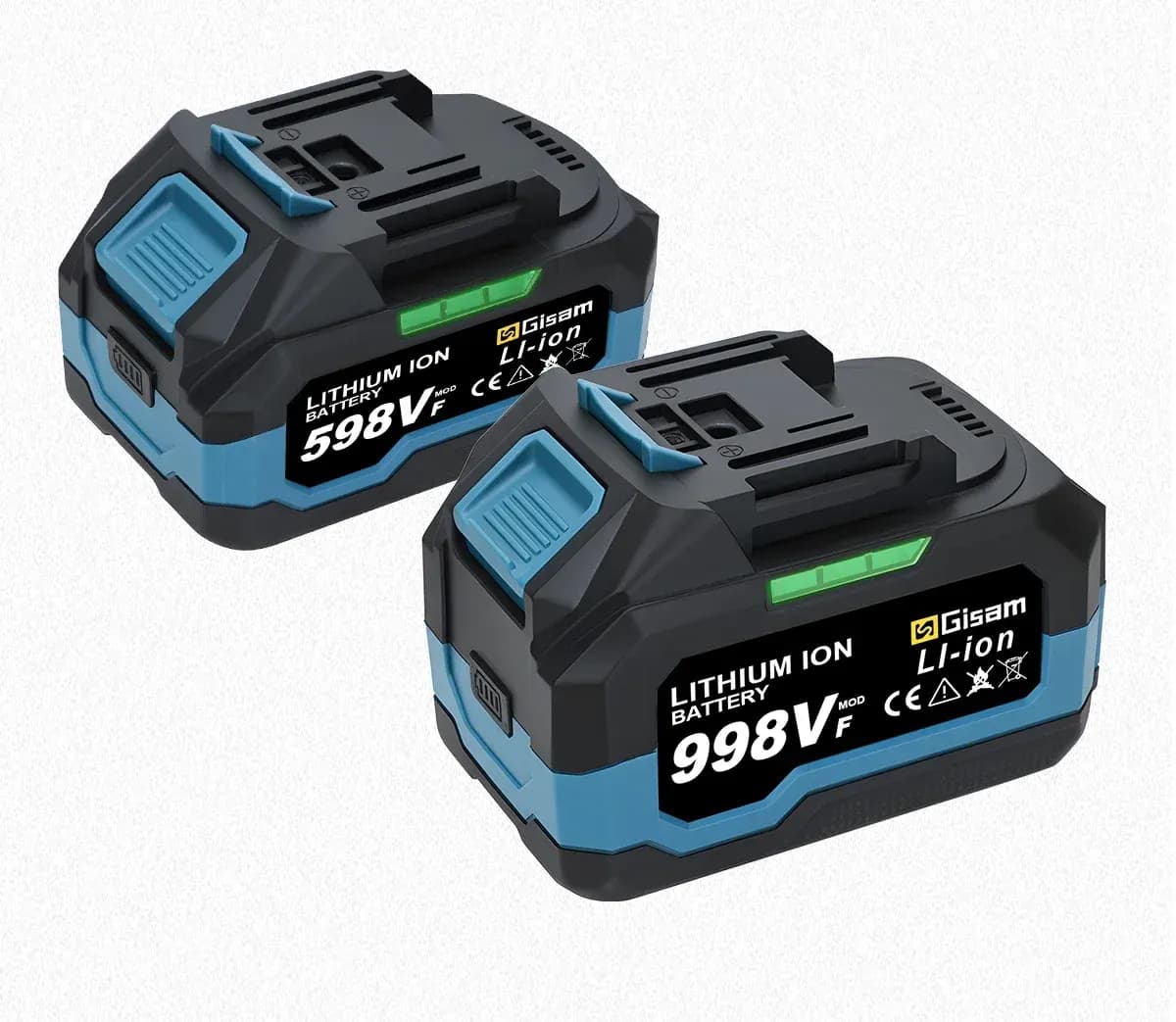
This body accepts BL1830, BL1840, BL1850, and BL1860 batteries, which makes it attractive for users already invested in Makita-compatible packs. For AliExpress UK shoppers, that compatibility can be the difference between a tool that joins an existing ecosystem and one that needs a separate charging setup.
The benefit is not only convenience but also workshop continuity: you can swap packs with other cordless tools and keep moving between jobs. That is especially useful for trim repairs, small joinery corrections, and on-site fitting work where a mains cable would slow you down, so the build quality has to justify the format.
How the fixed base changes the way it cuts
The fixed base makes this router feel more stable than a more freehand-oriented trim tool, especially when following edges or working close to a template. Users who want repeatable depth control for light routing often prefer this style because it reduces the twitchy feel that some compact routers can have.
That stability also suits beginners who want a more forgiving first router body, since the tool is easier to guide with two hands and less likely to wander on delicate material. Real customer feedback is limited, but the available ratings are positive, which suggests the concept is landing well with users who value practical cordless handling over premium branding.
Where it fits, and where it does not
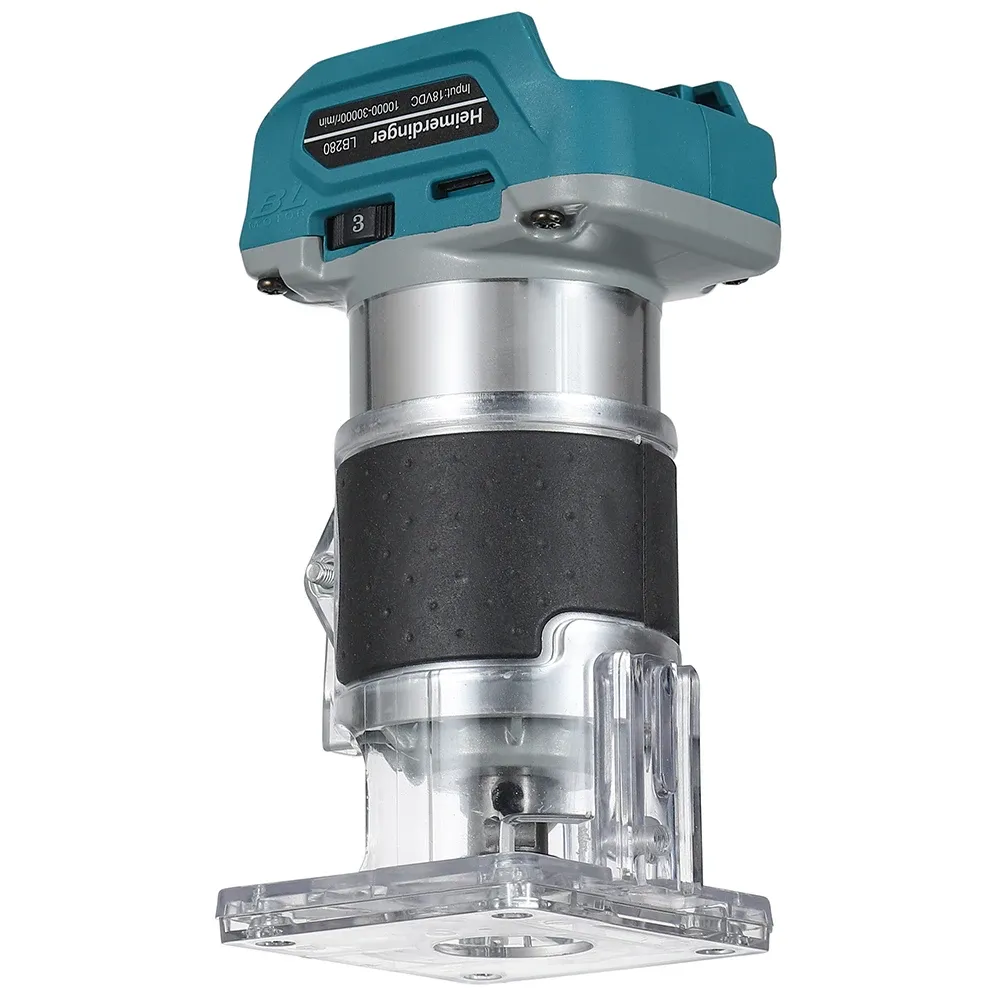
This model is best understood as a compact finishing tool, not a heavy timber removal machine. It makes sense for edge trimming, rounding over small profiles, hinge recess touch-ups, and light decorative work, while thicker hardwood passes or deep plunge tasks are better left to a larger router.
The 50Hz rating and Mainland China origin place it firmly in the budget DIY category, where performance-per-pound is the main story. If you want a cordless router body for occasional workshop use and already own compatible batteries, this one offers a sensible entry point with enough muscle for everyday finishing work.
What stands out after a closer look
The strongest part of this tool is the balance between portability and usable power, which is exactly what cordless routing needs. It is not trying to be a luxury machine; it is trying to be a compact, battery-friendly workhorse for small jobs, and that focus gives it a clear place in the market.
- Brushless motor for better efficiency and cooler running
- Compatible with Makita BL1830, BL1840, BL1850, and BL1860 batteries
- 11,000rpm no-load speed for clean trimming work
- Fixed base for steadier guidance on edges and templates
- Compact cordless format for mobile DIY and site use
- 1000W rated input for stronger light-duty routing