










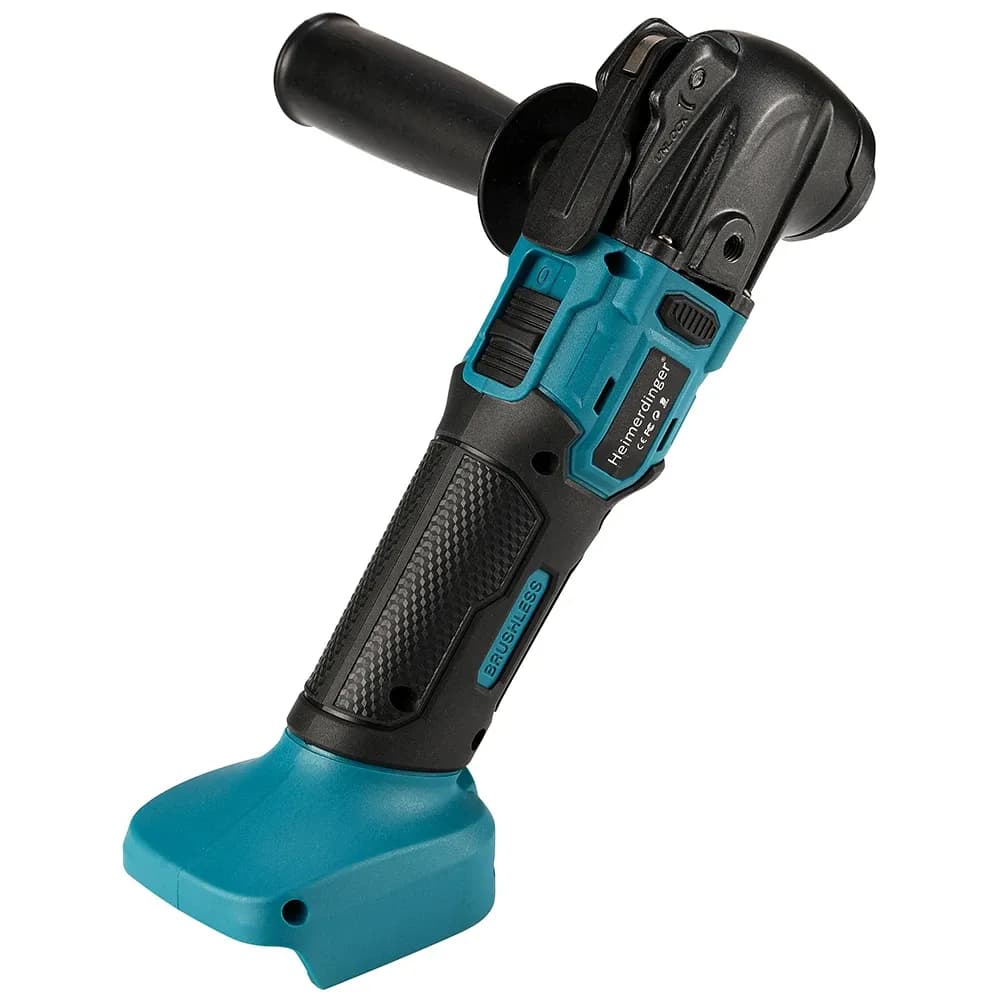

Why this cordless planer makes sense for small workshop jobs
Heimerdinger has built a solid reputation in the AliExpress UK tools niche for making battery-powered workshop gear that focuses on function rather than gimmicks. The brand’s appeal is straightforward: brushless motors, Makita-compatible battery platforms, and specs that match real DIY tasks instead of inflated marketing claims.
This planer follows that formula with an 18V cordless layout, 650W rated input, and a brushless motor that should hold speed better under load than cheaper brushed alternatives. If you need to true up a shelf edge, shave a sticking door, or clean rough timber on site, the cable-free format is the main advantage, so how does it handle the cut?
82mm planing width and 2mm depth: what you can actually do
The 82mm planing width is the sweet spot for household joinery and light carpentry because it covers enough surface to work efficiently without making the tool bulky. A 2mm maximum depth gives you control for gradual material removal, which is safer than aggressive one-pass cutting when you are correcting warped boards or fitting doors.
At 13,000rpm no-load speed, the cutter drum is fast enough to leave a cleaner surface than many budget hand planes, especially on softwood and prepared timber. Users also describe it as useful for household tasks, which matches the tool’s size and power profile rather than heavy trade-grade stock removal.

Brushless power and battery compatibility are the real selling points
The brushless motor is the part that gives this planer its best value, because it usually means less friction, better runtime, and less maintenance over time. In practice, that matters most when you are working away from a bench and want consistent performance from the first pass to the last.
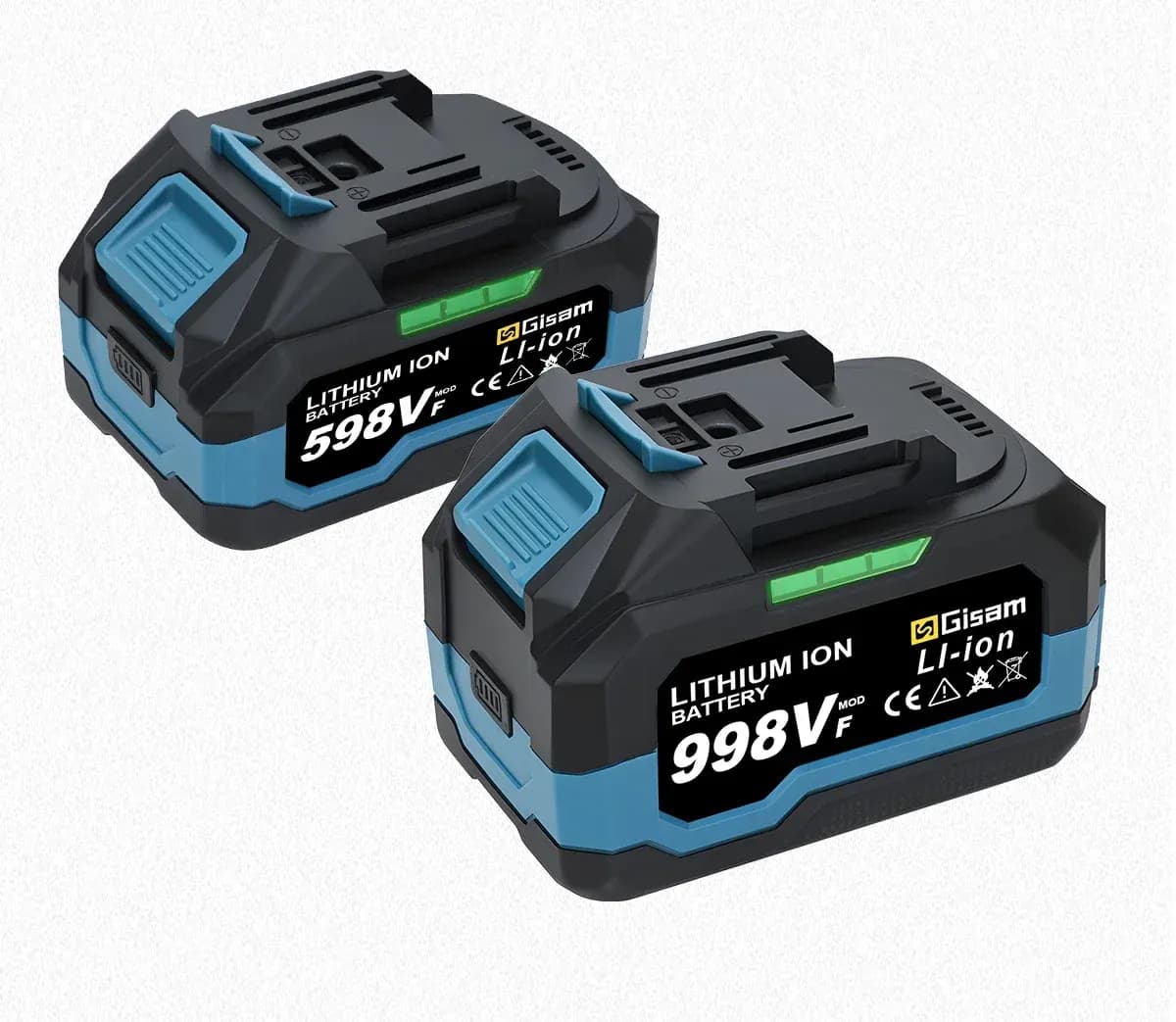
Compatibility with Makita 18V B-series batteries is a major convenience if your workshop already uses that ecosystem. The listing does note limits, though, and that is important: larger 6Ah packs may not fit well, while G-series and Ni-CD batteries are not supported, so battery choice is part of the buying decision.
How the ergonomics affect real use
At 3.25kg, this is not the lightest planer in its class, and that weight will be noticeable during overhead or one-handed work. One customer comment pointed to button placement and balance as the main ergonomic weak spots, which suggests the tool is more comfortable for short, controlled passes than for extended finishing sessions.
That weight can still help when the blade is biting into dense timber, because a little mass reduces chatter and makes the cut feel steadier. If you are used to mains planers that feel front-heavy, this cordless format will seem more agile, but the grip and switch layout are worth considering before you commit to long jobs.

Who should get it, and who should look elsewhere
This is a sensible choice for home DIY users who already own compatible 18V batteries and want a compact planer for occasional joinery, edge trimming, and quick flattening. It is less convincing for users who need all-day comfort, deep stock removal, or a very lightweight tool for repetitive finishing work.
Real customer feedback is generally positive, with a 4.7 average from 21 reviews and a 95% positive rate, which supports the idea that the tool does its core job well. The few complaints are specific rather than alarming, and that usually points to a product with clear strengths and a few practical trade-offs, so what should you check before ordering?
- Compatible with Makita 18V B-series batteries
- Brushless motor for better efficiency
- 82mm planing width for common DIY tasks
- 2mm maximum depth for controlled removal
- 13,000rpm no-load speed
- Suitable for home workshop and on-site trimming
- Battery not included in some listings, so confirm the configuration