











Why this pump matters for refuelling jobs
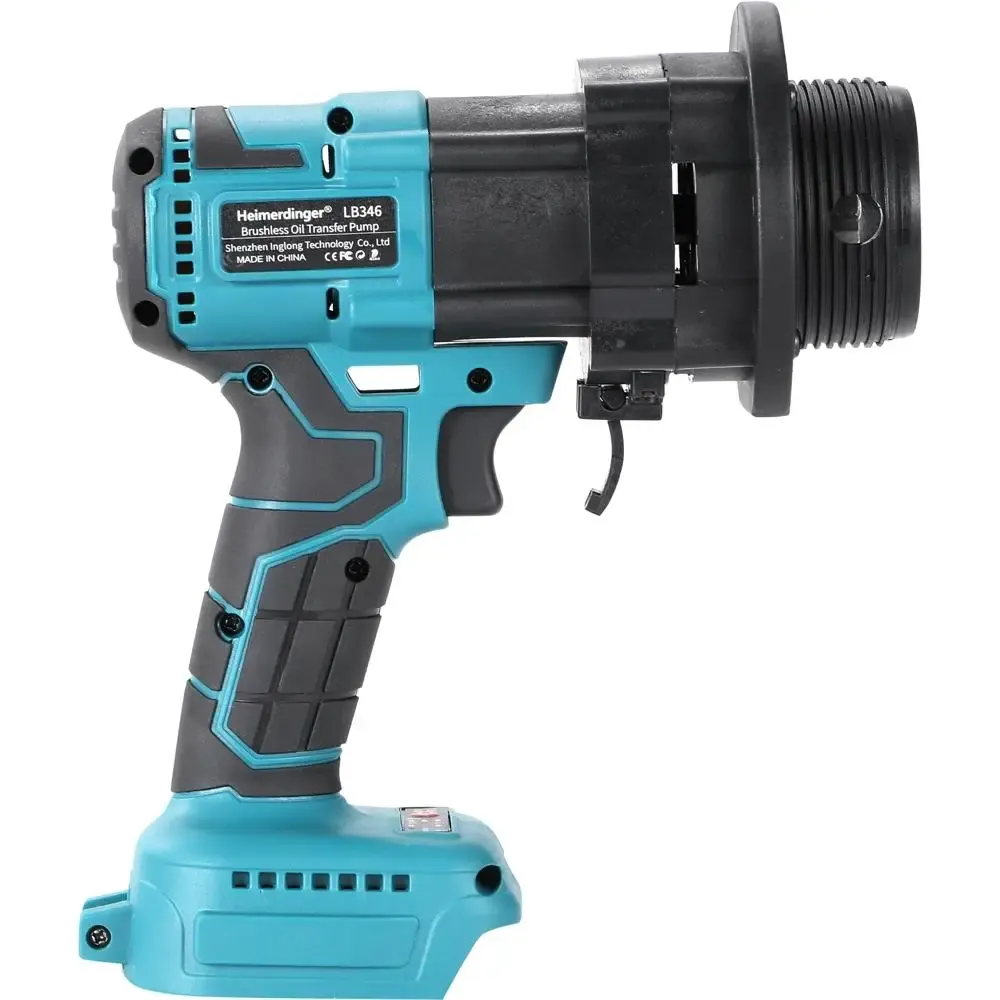
When you need to move fuel from a barrel without dragging hoses, extension leads, or a heavy mains unit, a cordless transfer pump solves the problem fast. Heimerdinger positions this model as a practical workshop and site tool, and that fits the AliExpress UK niche well because it focuses on usable output rather than decorative extras.
The brushless motor and bucket-type layout are the real selling points here. They point to lower wear, steadier running, and easier handling around diesel drums, service vehicles, generators, and plant equipment, so the next question is how much flow you actually get in real use.
45L/min: what that changes on site
The stated flow rate of 45L/min is enough to make bulk transfer feel efficient instead of tedious. In plain terms, it can shift a large barrel’s contents in a short session, which is useful when you are filling machinery between jobs or topping up multiple tanks in one go.
With a 4000r/min motor speed and 850W output, this pump is aimed at speed rather than delicate dosing. That makes it better for fuel transfer than for controlled dispensing, so users who need clean, repeatable fills should think about nozzle control and container height before they start.
Brushless power and battery compatibility
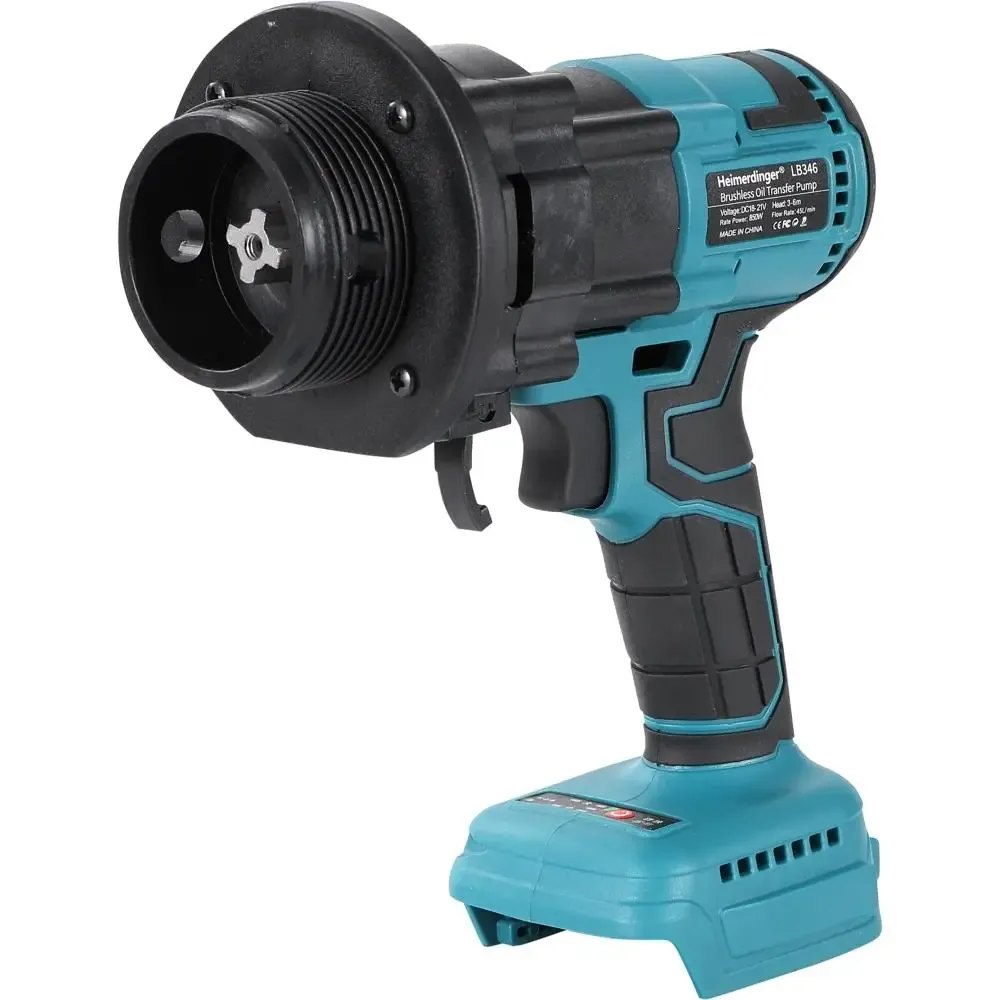
Using a brushless motor matters because it usually brings better efficiency and less heat under load than older brushed designs. The supplier says a 4A battery can move roughly 636 litres across four international barrels, which suggests the pump is designed to stretch runtime rather than drain packs quickly.
Compatibility with Makita 18V B-series batteries is a strong practical advantage for anyone already in that ecosystem. If you already run BL1850B, BL1840B, or similar packs, the pump slots into an existing tool setup, while G-series and Ni-Cd users need to look elsewhere.
What the build tells you before the first use
The 920mm pipe and magnesium aluminium alloy construction suggest a tool made for reaching into barrels without awkward lifting. That length helps keep the motor assembly accessible while the intake reaches deeper into the container, which is especially helpful with taller drums or awkward storage layouts.
The 50°C temperature resistance expands the use case beyond cold workshop fuel handling, though it is not a licence for aggressive chemicals. The listing mentions water, oil, and industrial non-corrosive liquids, so this is best treated as a fuel and light-liquid transfer tool rather than a universal chemical pump.
Where it fits better than a mains pump
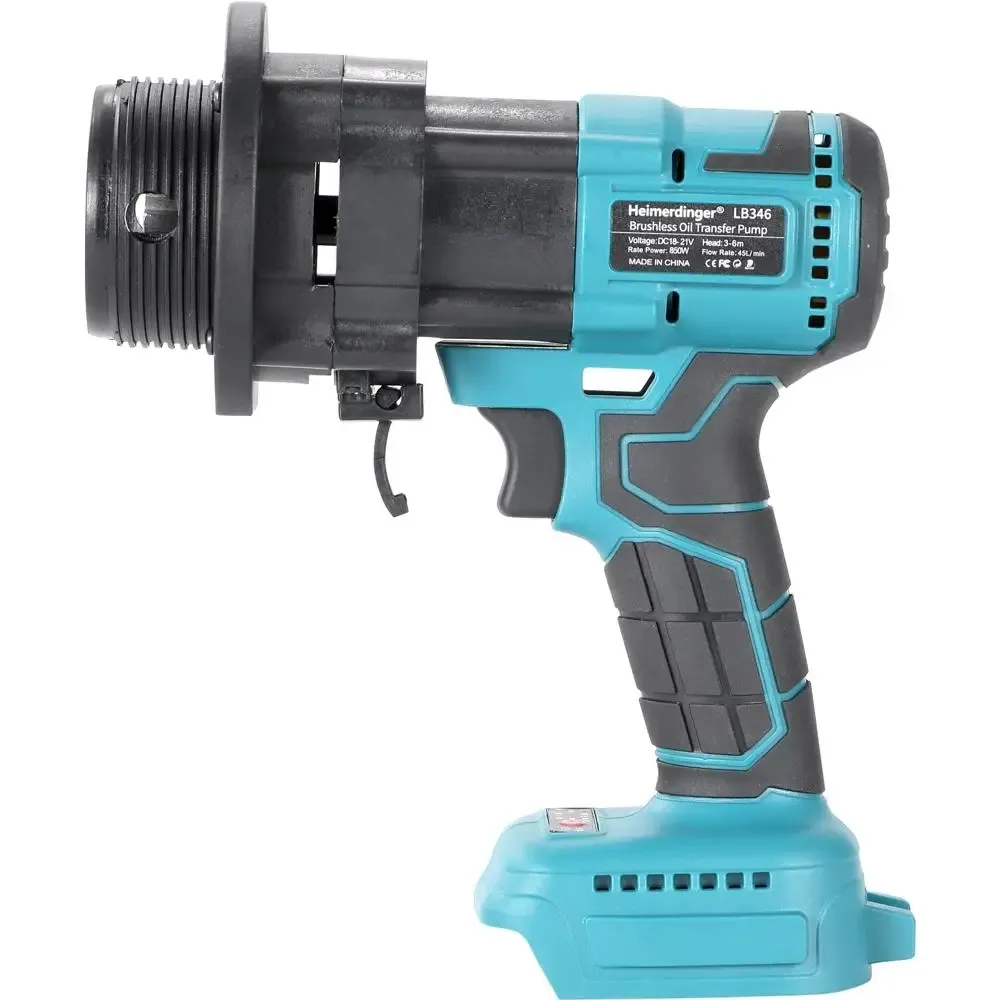
A mains transfer pump can offer stable duty cycles, but it ties you to power and often takes more setup time. This cordless design is the cleaner choice for mobile maintenance teams, agricultural use, and remote work where carrying a cable is more hassle than help.
Users looking for a quiet, tidy transfer routine should still expect pump noise and liquid movement sound, not silent operation. According to users of similar cordless transfer units, the convenience usually matters more than acoustic comfort, and that trade-off is exactly what this category is built around.
Who should look closely at it
This model makes the most sense for diesel users who already own compatible Makita batteries and want a fast barrel-to-tank solution. It is also a sensible fit for garages, small fleets, and site crews that value portability over fully plumbed refuelling stations.
The main limits are clear: it is not aimed at highly corrosive fluids, and the battery platform restriction is important. If your workflow is fuel transfer from drums, the specification set is focused in the right places, and that is what makes it worth a closer look.