










Fast rivet setting without the hand fatigue
This tool solves a familiar workshop problem: repeated rivet nut installation can slow down a job and leave your hands doing more work than the fastener itself. Heimerdinger’s brushless cordless design turns that into a controlled, motor-driven operation, which is exactly what renovation crews and mobile installers need.
The brand has built a solid reputation in the AliExpress UK niche by focusing on practical power tools with clear specifications and decent build consistency. That matters here, because a rivet gun is only useful if the pull is repeatable, the trigger response is predictable, and the body feels ready for daily site use.
12,000N pulling force: what it changes on site
The headline number is 12,000N of pulling force, and in practice that means the tool has enough authority to handle demanding rivet nut work without feeling strained. Users should notice fewer half-set inserts and less effort when working through thicker panels or repeated fixings.
This is the kind of output that makes more sense for renovation teams than a manual hand riveter, especially when jobs involve multiple fasteners in metal, brackets, or repair panels. The gain is not just speed; it is consistency, which is what keeps threaded inserts seated properly.
Forward and reverse control for cleaner workflow
Forward and reverse control is more useful than it sounds, because it helps the operator set the rivet nut and then back off cleanly without extra handling. That reduces the chance of snagging the threaded insert or wasting time on awkward release steps.

For installers who move between fixings all day, this kind of control feels more like using a proper power tool and less like wrestling a specialty attachment. It also makes the gun easier to adapt when the pace changes between light assembly and heavier repair work.
2.4–5.0 cm range: where the flexibility matters
The stated 2.4–5.0 cm range suggests a broad working window for different fastening tasks, which is useful if your jobs are not limited to one panel thickness or one type of insert setup. That flexibility is especially relevant in refurbishment work, where materials and access points change from room to room.
Instead of carrying multiple manual tools, a single cordless unit can cover more of the day’s fastening list. The practical benefit is less kit swapping and fewer interruptions, which is exactly what a busy site wants next.
Brushless motor and multi-hole cooling
The brushless motor should bring better efficiency and less wear than older brushed designs, which usually means steadier performance under repeated use. The multi-hole cooling layout is a smart detail because it helps the body shed heat during longer sessions, when compact power tools often become uncomfortable.
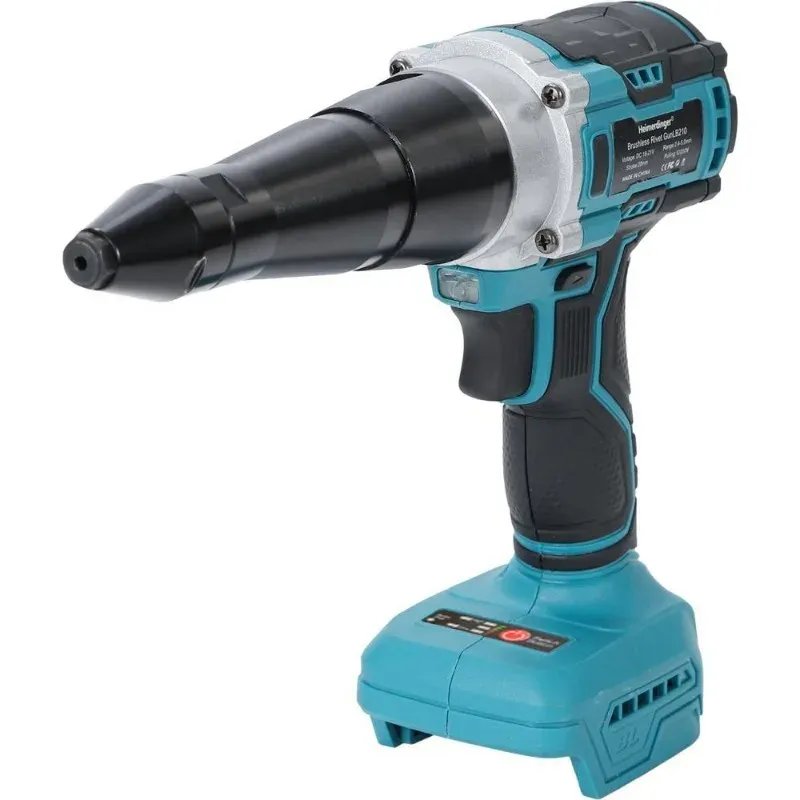
That cooling approach matters most when the tool is used in bursts across a full shift rather than for one quick task. If you have ever felt a compact driver turn warm and sluggish mid-job, you will understand why thermal management is part of the value here.
No battery included: a sensible setup or a limitation?
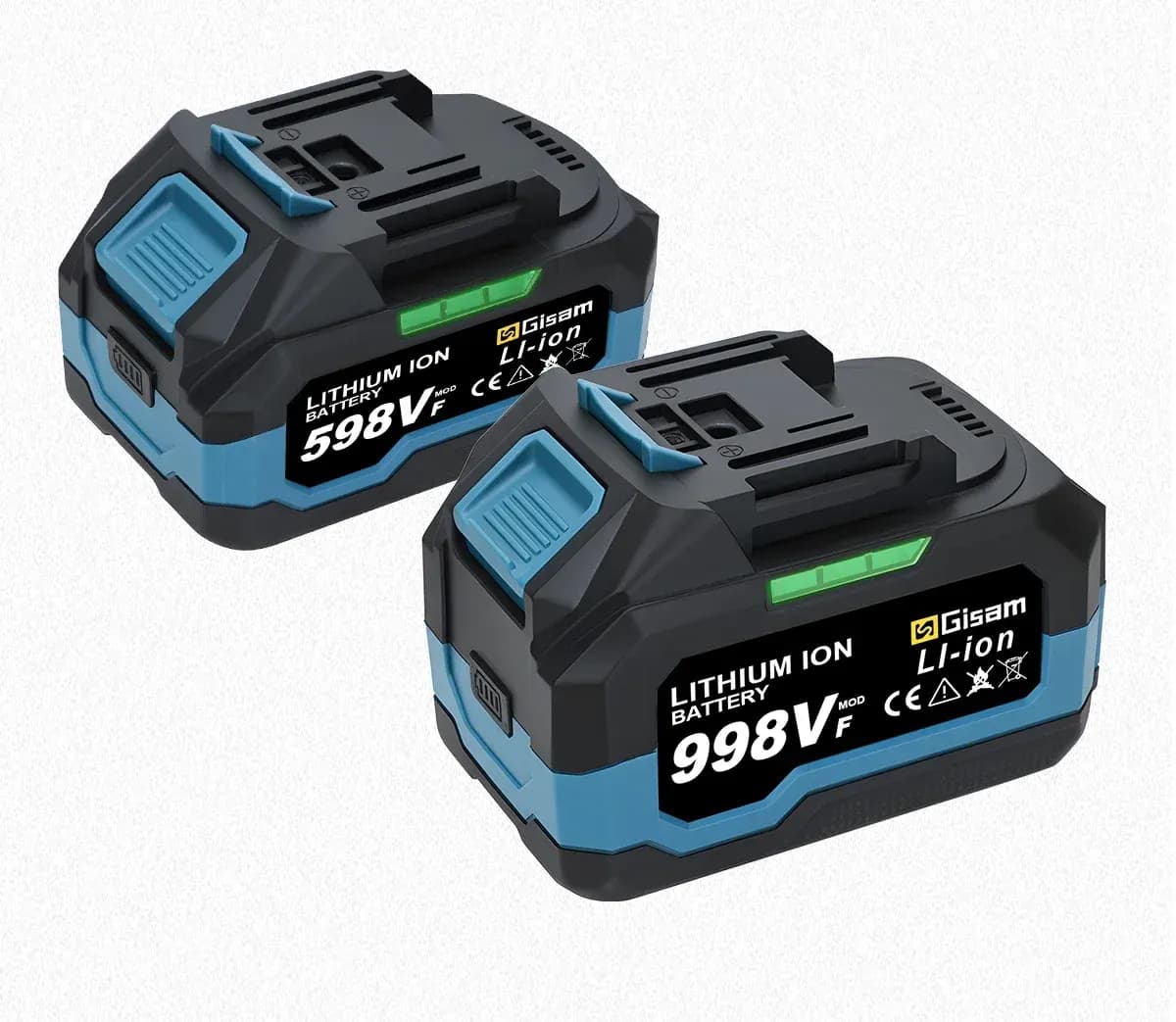
The no-battery format keeps the package focused on the tool body, which is useful if you already run a compatible battery platform and want to avoid duplicate packs. It also keeps the upfront outlay lower, but it does mean the real value depends on whether you already have the right power source ready.
For teams that standardise batteries across tools, this is a neat way to add a specialist rivet gun without buying into a separate ecosystem. According to customers, the tool has landed well so far, which is encouraging for a niche electric riveter with a very specific job.
Who should get this tool?
- Renovation crews handling regular threaded insert work
- Mobile installers who need cordless flexibility on site
- Workshop users replacing manual rivet nut tools
- Trade buyers already invested in compatible battery systems