









Built for jobs where a hand sprayer falls short
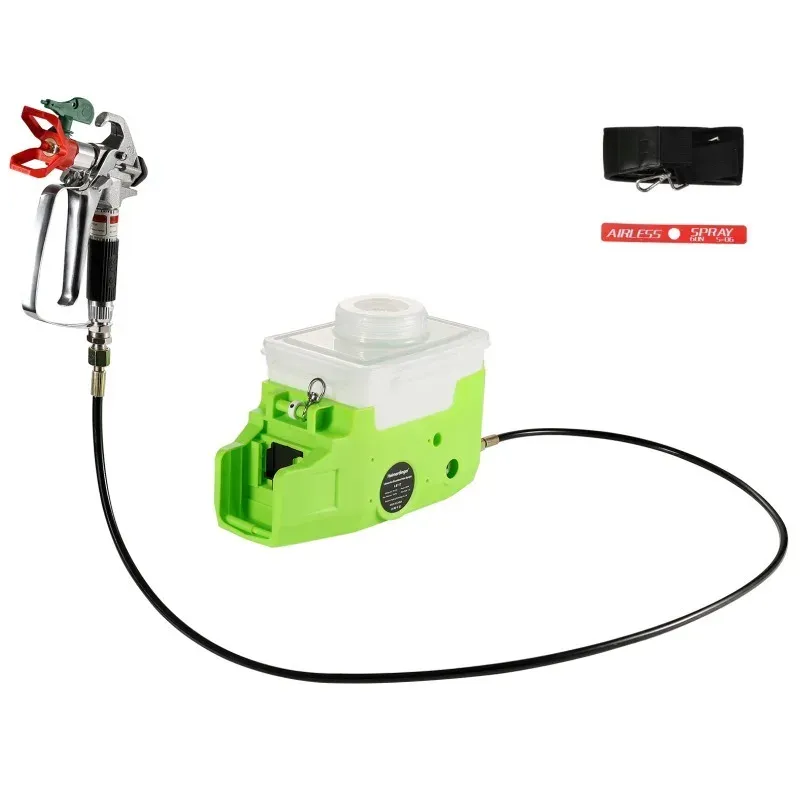
This sprayer solves a simple problem: you need stronger, steadier output than a manual gun can deliver, but you do not want to stay tied to a mains cable. With a 500W electric drive, 15MPa maximum pressure, and a backpack format, the LB117 is aimed at renovation work that needs movement, reach, and consistent atomisation.
The cordless format makes more sense here than on a bench tool because it keeps the hose and gun working as one portable unit. That matters when you are moving around frames, walls, or confined spaces, and it hints at why users keep comparing it with more expensive pro-grade paint systems.
What 15MPa and 1.2L/min mean on site
In practice, the 15MPa ceiling gives the spray stream enough force to stay even when the material starts thickening or the run gets longer. The 1.2L per minute flow rate is not about raw speed alone; it is about keeping a stable coat without the sputter and fade that can ruin finish quality.
The six-level pressure control is the more useful feature for real work because it lets you back off for lighter materials and step up when the job needs more push. That makes the LB117 more flexible than a fixed-output sprayer, and it is exactly the kind of control renovation teams usually want when switching between coatings.
Leak resistance and hose control
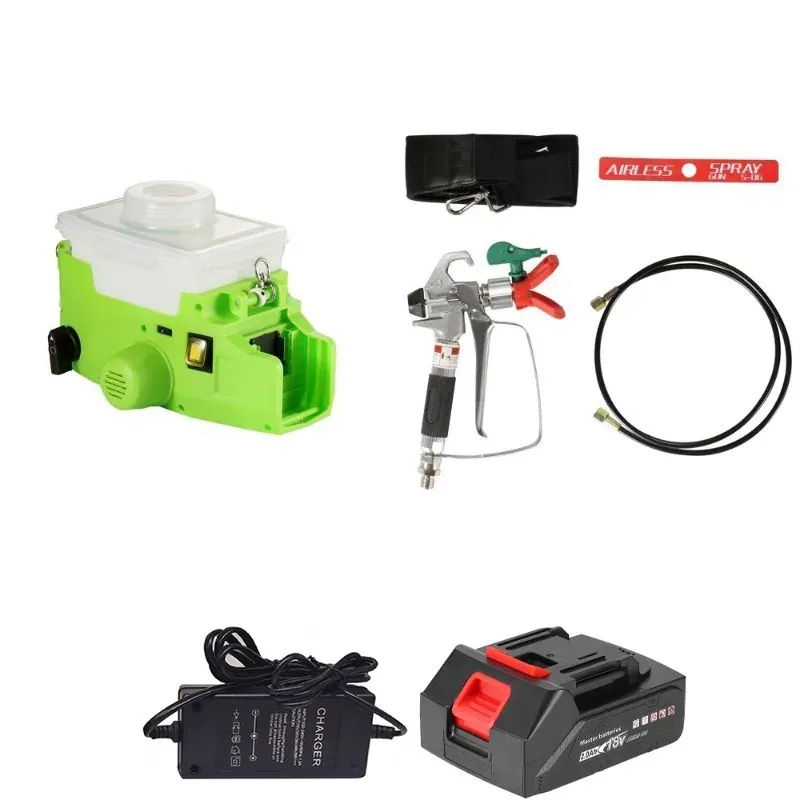
The no-leakage design is one of the most practical details in the listing, because a backpack sprayer only feels portable if it stays clean and predictable in use. Less seepage means less mess on the operator, less waste in the tank, and fewer interruptions to wipe fittings or re-seat seals.
Real customer feedback suggests the pressure behaviour is generally strong once the unit is assembled correctly, although one early test mentioned a misting issue before adjustment. That is a useful reminder that this type of tool rewards careful setup, so the first run should be done with water before any finish material goes in.
Makita 18V battery compatibility: useful, but not universal
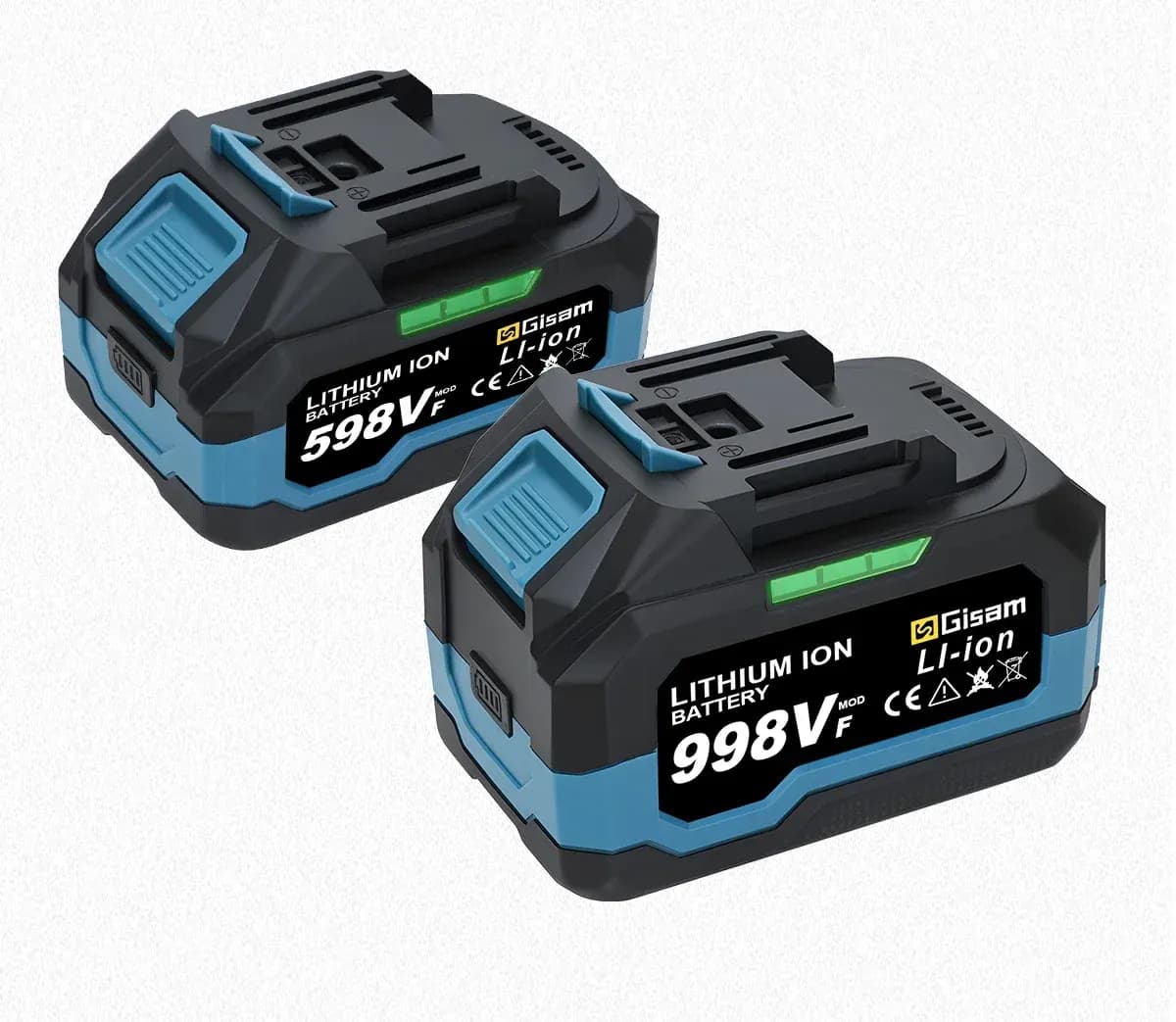
The battery system is one of the biggest buying points because it accepts Makita-style 18V B-series lithium packs, which can save time if your workshop already runs that ecosystem. The compatibility list is specific, though, and it excludes G-series and Ni-Cd packs, so this is not a universal slide-on solution.
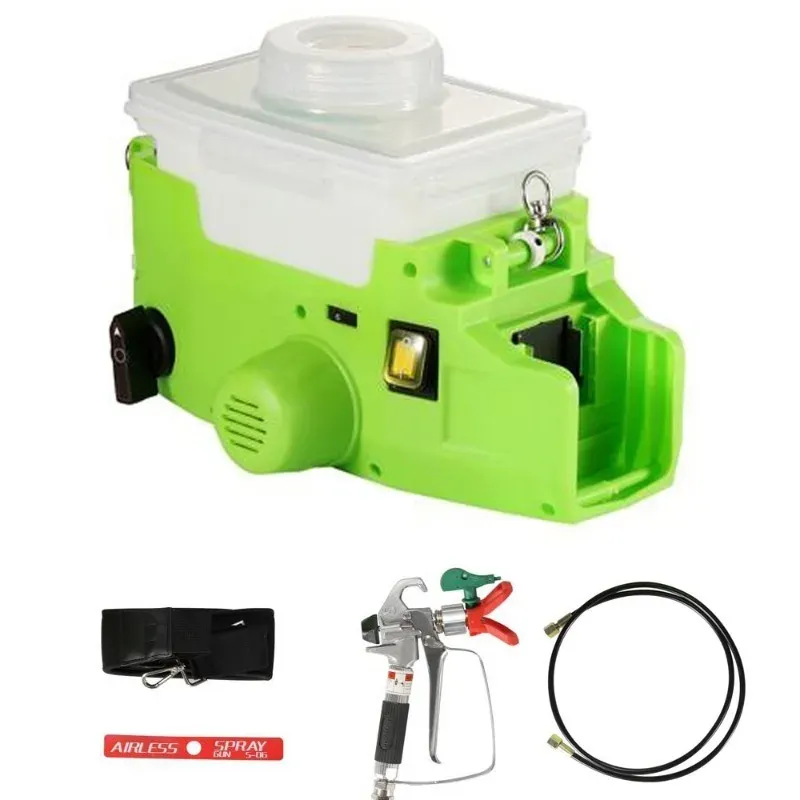
If you already own BL1850B, BL1840B, BL1830B, BL1430B or similar batteries, the LB117 becomes far more convenient to integrate into a tool kit. If not, the bundled battery options make the setup easier, but the 18V 2A pack will suit short sessions better than all-day spraying, which is where the 4A option starts to look more practical.
Who will get the most from it
This is best suited to renovation crews, car work, and maintenance tasks where portability matters more than showroom-level finish equipment. Users in the reviews mostly reported successful water testing and quick delivery, which supports the idea that the core pump and trigger system are functioning as intended.
It is less convincing as a casual home sprayer if you only need occasional touch-ups, because the setup is more specialised than a small handheld unit. For regular site work, though, the backpack layout and adjustable pressure give it a clear edge when the next job calls for longer reach and fewer interruptions.