









Makita’s cordless torque for jobs that stall ordinary tools
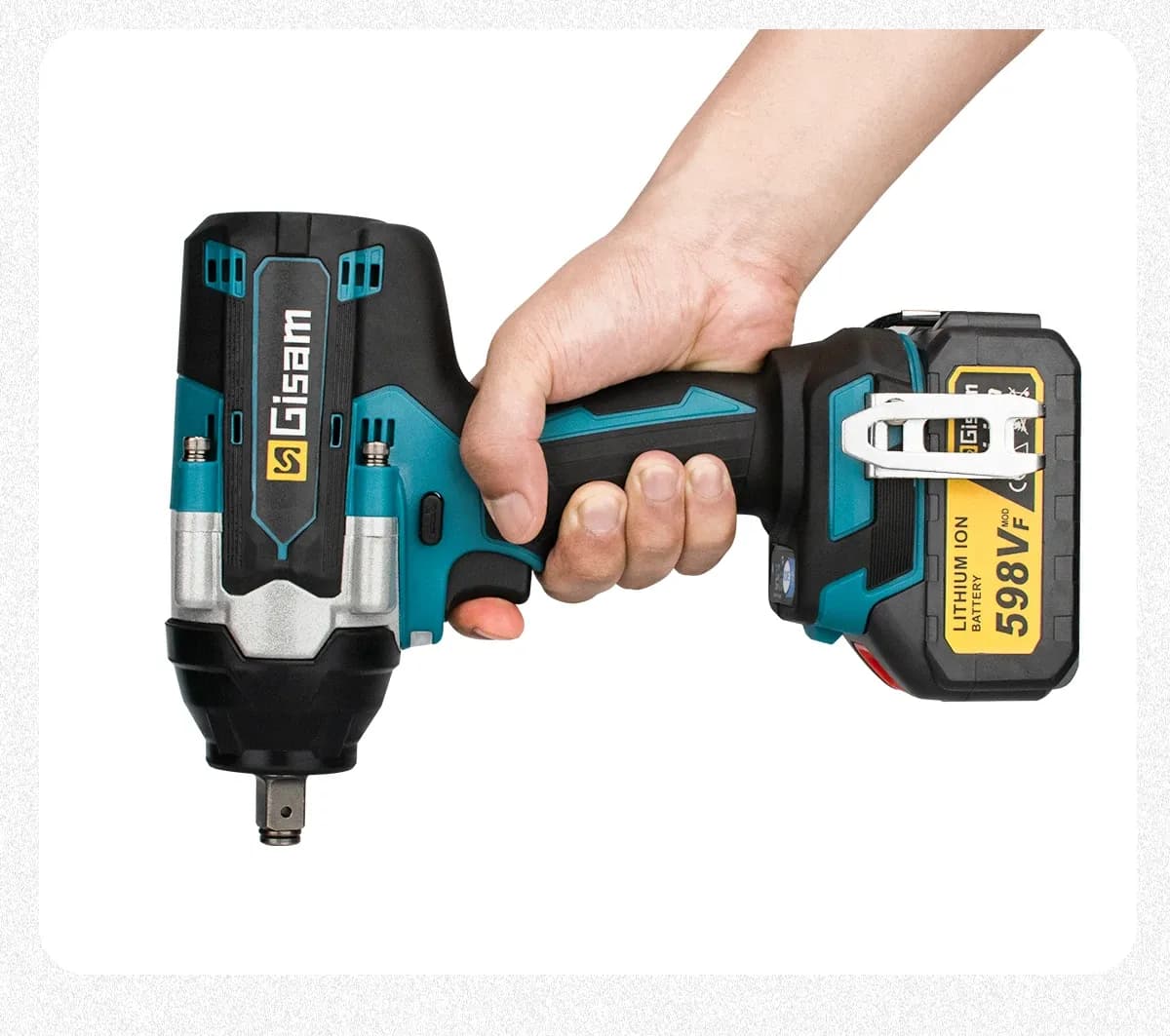
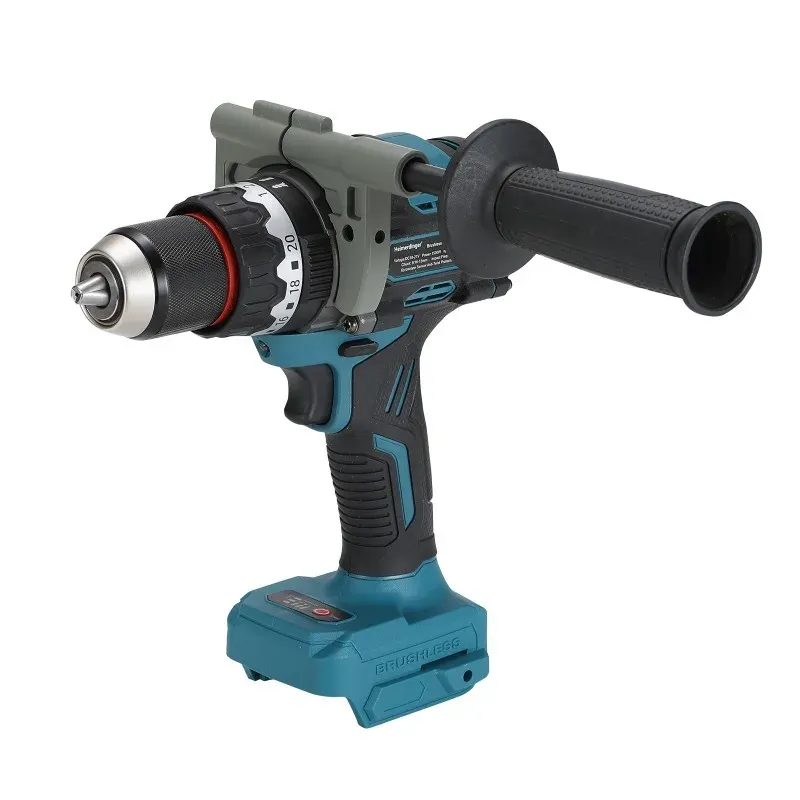
When bolts seize up, a standard drill driver quickly runs out of patience, and that is where this 1/2-inch impact wrench earns its place. Makita’s reputation for dependable battery platforms and durable tool engineering matters here, because this model is designed to slot into an 18V workflow without forcing a separate ecosystem.
In the AliExpress UK niche, compatibility and real-world output matter more than headline numbers, and this tool is aimed at users who already trust Makita batteries. The brushless motor, high no-load speed, and claimed 1800Nm output point to a serious fastening tool rather than a light-duty hobby wrench, so the next question is how that translates on the job.
1800Nm on paper: what it means in the workshop
The 1800Nm figure suggests strong breakaway force for wheel nuts, suspension hardware, agricultural fixings, and heavy equipment maintenance. Real customer feedback is more conservative than the headline, with users describing it as very strong and capable of handling passenger cars, SUVs, tractors, and long bolts with less drama than cheaper cordless wrenches.
That gap between marketing torque and practical torque is normal in this category, so the useful takeaway is not the exact number but the class of work it can handle. If your tasks regularly involve corroded fasteners or larger assemblies, this model sits in the “serious garage tool” zone rather than the entry-level shelf, which is exactly where the value begins to show.
Brushless drive and 7000rpm speed for faster turnaround

The brushless motor should run cooler and wear more slowly than brushed alternatives, which is a real benefit for commercial manufacture, workshop use, and repeated weekend jobs. At up to 7000rpm no-load speed, the wrench can spin fast before impact action takes over, giving it a lively feel that helps on removal and quick reassembly.
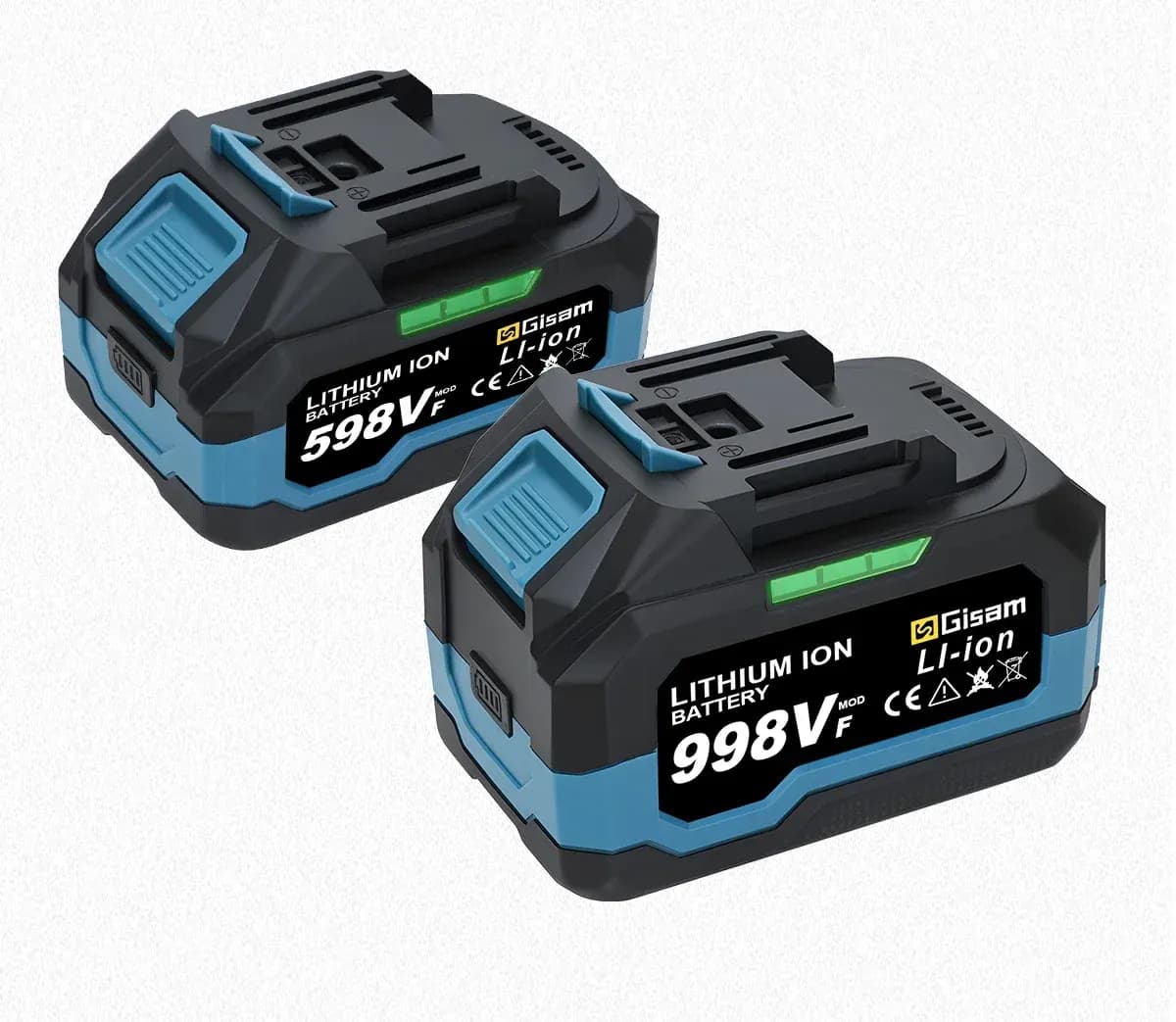
Users also report that Makita batteries fit properly, which is the detail that saves time in mixed-tool garages. A compatible battery platform turns this from a standalone gadget into a practical extension of an existing kit, and the included LED work light helps when the fastener sits under a wheel arch or behind a chassis member.
1/2-inch drive and reverse auto-stop for controlled fastening
The 1/2-inch square drive keeps the tool aligned with common automotive sockets and workshop accessories, so you are not hunting for odd adapters. The reverse auto-stop function is a useful safeguard when loosening fasteners, because it reduces the chance of over-running a nut once it breaks free.
That control matters more than it sounds, especially when working around alloy wheels, machine housings, or older fixings that can be damaged by unnecessary hammering. The three forward gears and two reverse modes give it more range than a single-speed impact wrench, and that flexibility is the reason it feels more refined than many budget alternatives.
What the 3.2kg body tells you before you lift it

At 3.2kg, this is not a featherweight tool, and the heft is part of the package for users who want a planted, stable feel in the hand. The trade-off is less all-day comfort for overhead work, but the upside is a solid, confidence-inspiring tool that feels made for stubborn fastening rather than delicate assembly.
That weight also fits the use case described in the product details: construction site shelving, maintenance, woodworking, and heavy vehicle work. Customer reviews mention it as a strong value option, with the main caution being to use the correct socket and avoid long extensions, because those can reduce effective torque noticeably.
Who gets the most out of this Makita-compatible wrench
This model makes the most sense for users who already own Makita 18V batteries and want a high-output impact wrench without moving to a separate platform. It is also a practical match for garages, farm equipment, and mobile maintenance work where cordless freedom matters more than compact size.
If your jobs are mostly light household fastening, the power and weight are overkill, but if you regularly face seized bolts, wheel work, or machinery maintenance, the tool’s strengths become obvious fast. That is why it reads less like a general-purpose wrench and more like a targeted problem-solver for demanding fastening tasks.