










Makita compatibility that keeps the platform practical
Makita is valued in the AliExpress UK tool niche because its 18V battery ecosystem is broad, well understood, and easy to build around. That matters here, since this saw is sold as a body-only tool and relies on batteries you may already own.
The appeal is less about novelty and more about compatibility discipline: if you already run Makita-style packs, this saw can slot into a renovation kit without changing chargers or battery habits. The real question is how much cutting performance you get from that familiar platform?
What 62mm depth and 6000rpm mean on site
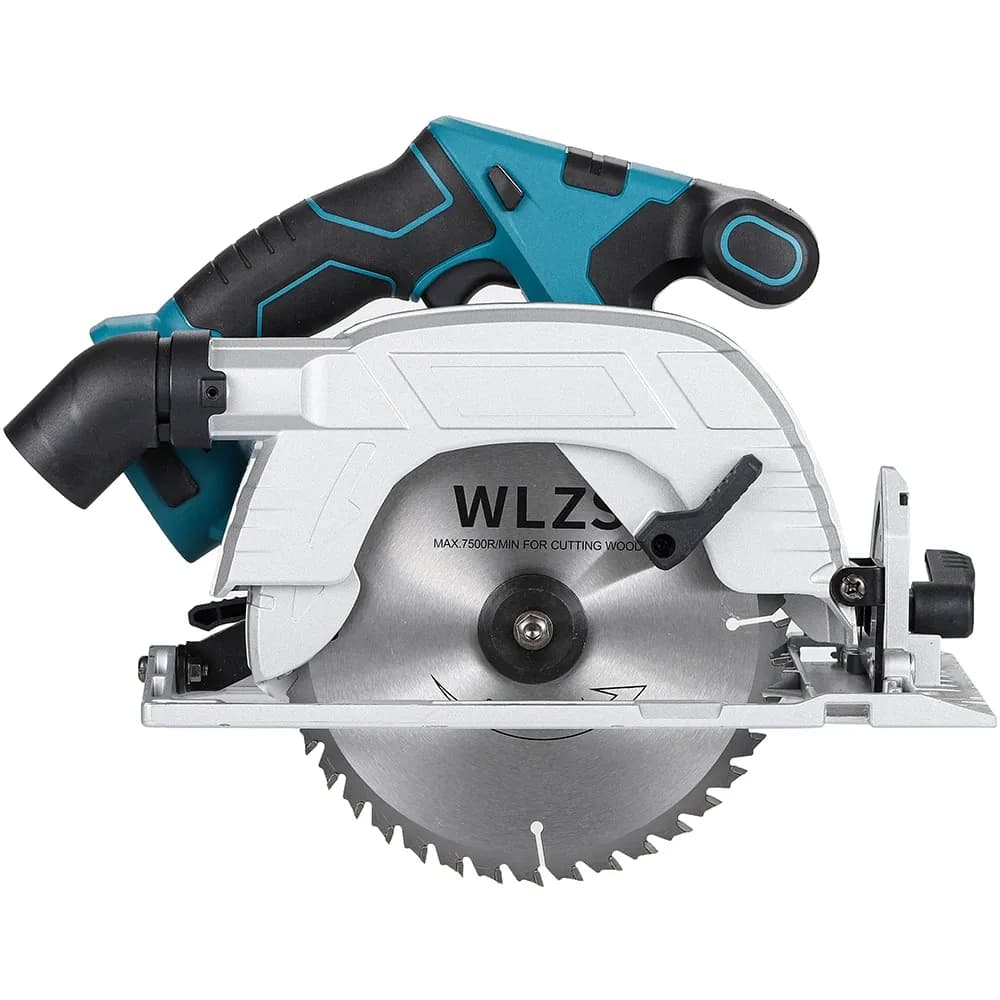
The headline numbers are useful in practice. A 62mm maximum cutting depth at 185mm blade size puts this saw in the range needed for common framing timber, sheet goods, and thicker boards, while the 6000rpm no-load speed should help it keep the blade moving cleanly through straight cuts.
Users reviewing the tool noted that it feels stronger than some smaller 150mm-class saws, and that lines up with the spec sheet. For renovation work, that extra margin can mean fewer passes and less hesitation when cutting dense material.
External rotor brushless motor: why it changes the feel

The brushless EC external rotor motor is the part that gives this saw its more modern character. Brushless designs usually run cooler and waste less energy than brushed motors, which is useful when you want longer runtime from a battery pack and steadier output under load.
That motor layout can also make the tool feel more responsive at the trigger, especially when starting a cut in plywood or hardwood. If you are comparing it with older cordless saws, the difference is often felt in smoother acceleration rather than raw noise alone.
Blade size and material range: wood first, stone second
The included 40-tooth carbide-tipped blade is a sensible choice for cleaner wood cuts, especially where edge quality matters on visible trim or panel work. The product description also mentions stone, ceramic tile, PVC, MDF, and similar materials, but real-world results will depend heavily on the correct blade and feed rate.
That makes the saw more versatile than a basic timber-only model, yet it is still best treated as a renovation tool rather than a specialist masonry cutter. If you need the cleanest finish, the blade choice will matter as much as the motor, so what should you expect from the body itself?
Weight, handling, and what the 3.5kg body suggests

At 3.5kg for the body, this is not a featherweight saw, and that is worth knowing before you plan overhead or all-day use. The extra mass can help the saw sit more planted on the workpiece, which is useful for straighter tracking and reduced chatter on tougher cuts.
The adjustable 0° to 45° range also broadens the tool’s usefulness for bevel work, which is common in fit-out and renovation jobs. Customers describe strong power and decent quality, though one review also points to a packaging/tracking issue, so the tool itself looks stronger than the logistics experience around it.
Who this saw suits best
- Renovation teams that already use Makita 18V batteries.
- Users who want a cordless saw with more depth than compact 150mm models.
- Workshops needing one saw for timber, board, and occasional mixed-material jobs.
- DIY users who prefer a brushless motor and a familiar battery platform.
For the right battery setup, this model offers a credible mix of portability and cutting capacity. The next question is not whether it can cut, but whether your existing Makita packs can keep it supplied properly?