










Why this cordless planer matters for small workshop jobs
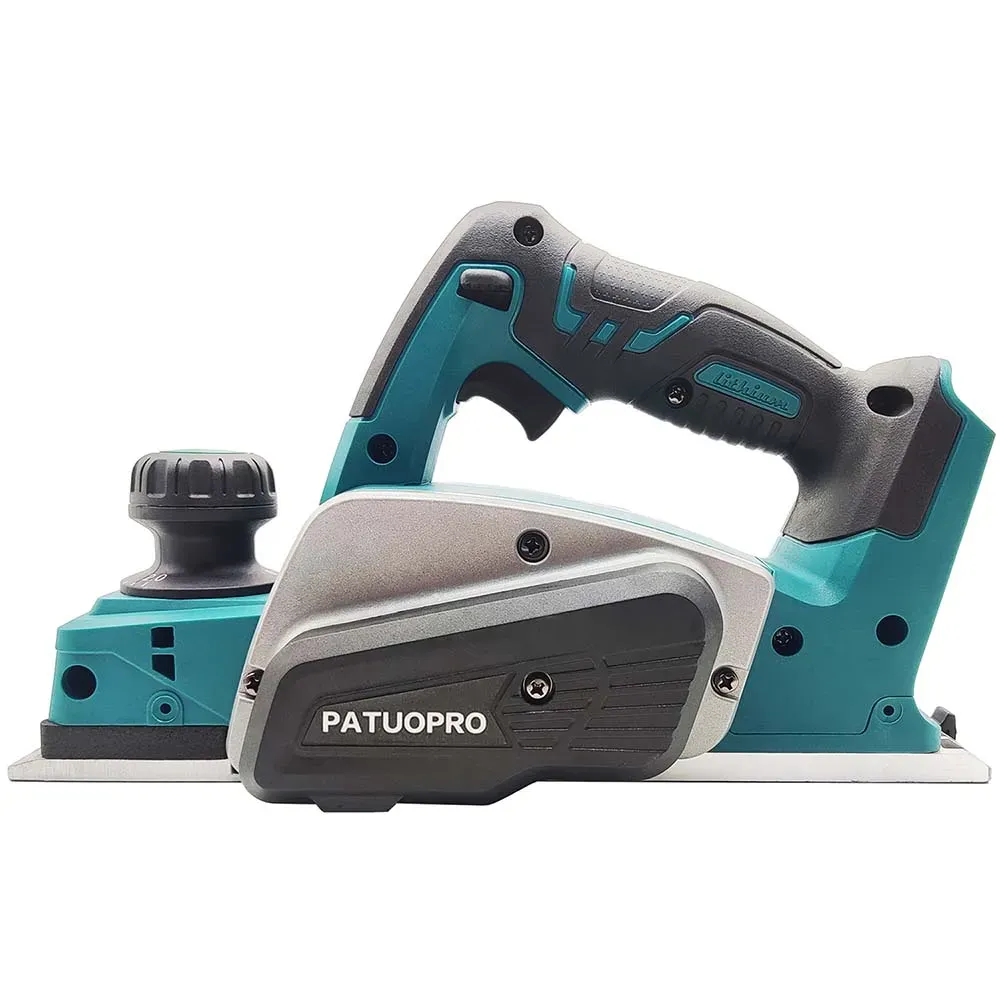
If you need to flatten a proud edge, trim a door leaf, or clean up rough timber without dragging a cord across the bench, this tool solves the problem neatly. The cordless format keeps the work area clear, while the 18V platform makes it a practical add-on for users already in the Makita ecosystem.
AliExpress UK listings in this category often focus on raw specs, but this model is more interesting for what those numbers mean in use. A 15,000rpm brushed motor and a 3kg body suggest a planer aimed at fast, controlled material removal rather than heavy site-grade resurfacing, so the next question is how much it can take off in one pass.
82mm cutting width and 2mm depth: what that means on timber
The 82mm planing width is the sweet spot for furniture parts, shelving edges, and framing adjustments, because it covers a decent strip without making the tool feel bulky. With a maximum depth of 2mm, it is built for measured cuts that leave less tear-out and reduce the chance of over-planing a board.
That depth range also makes the machine easier to trust on visible surfaces, where a single aggressive pass can ruin the finish. Users who want a cleaner result will likely appreciate the click-style depth adjustment, since the scale helps you repeat the same setting across multiple pieces instead of guessing by feel.
How the 15,000rpm motor changes the finish
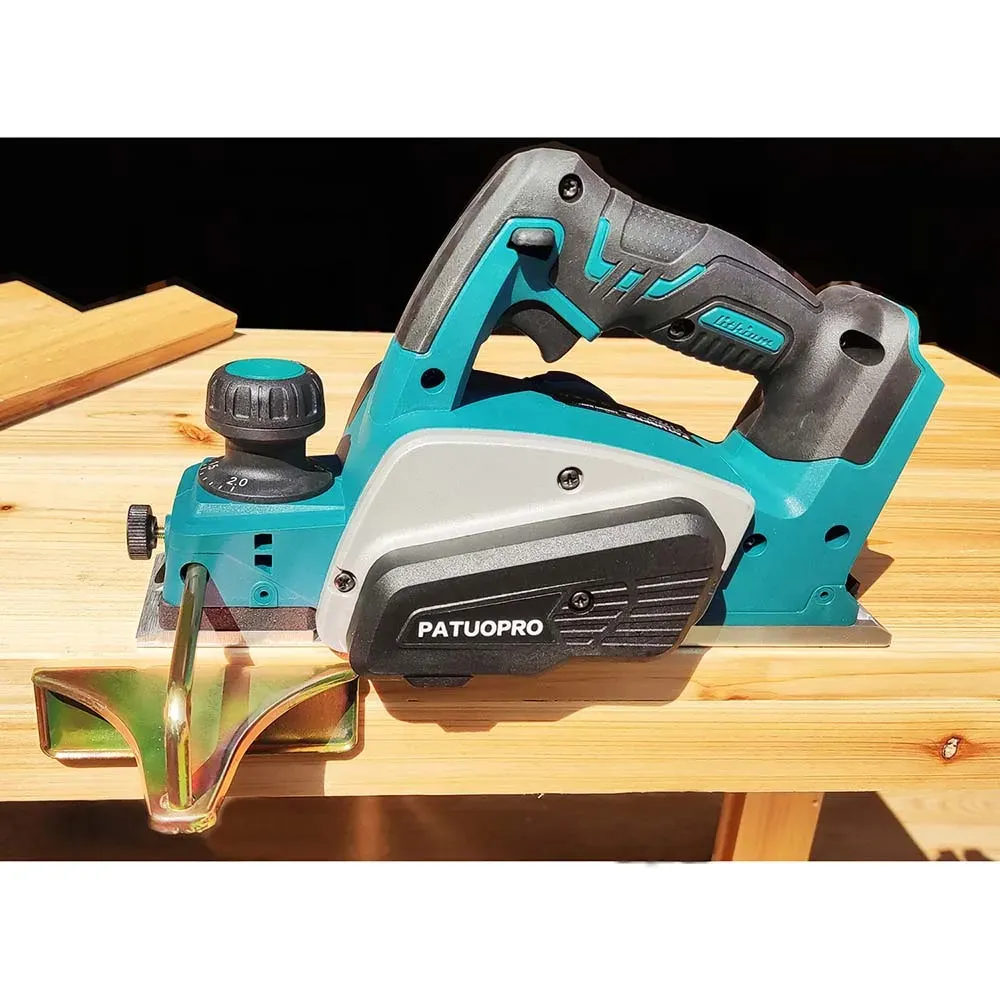
The brushed motor is not the newest drive system, but it does keep the design straightforward and familiar for DIY use. At 15,000rpm, the cutter head is moving fast enough to strip material efficiently, which should help the planer leave a smoother surface on softwood and prepared hardwood alike.
Real-world feedback is encouraging, with customers rating it 4.9 out of 5 across 14 reviews and describing it as a good-looking, reliable tool. That kind of response usually points to a product that meets expectations on first use, though the absence of a battery means the final experience depends on the pack you already own.
Makita 18V battery compatibility and what to check first
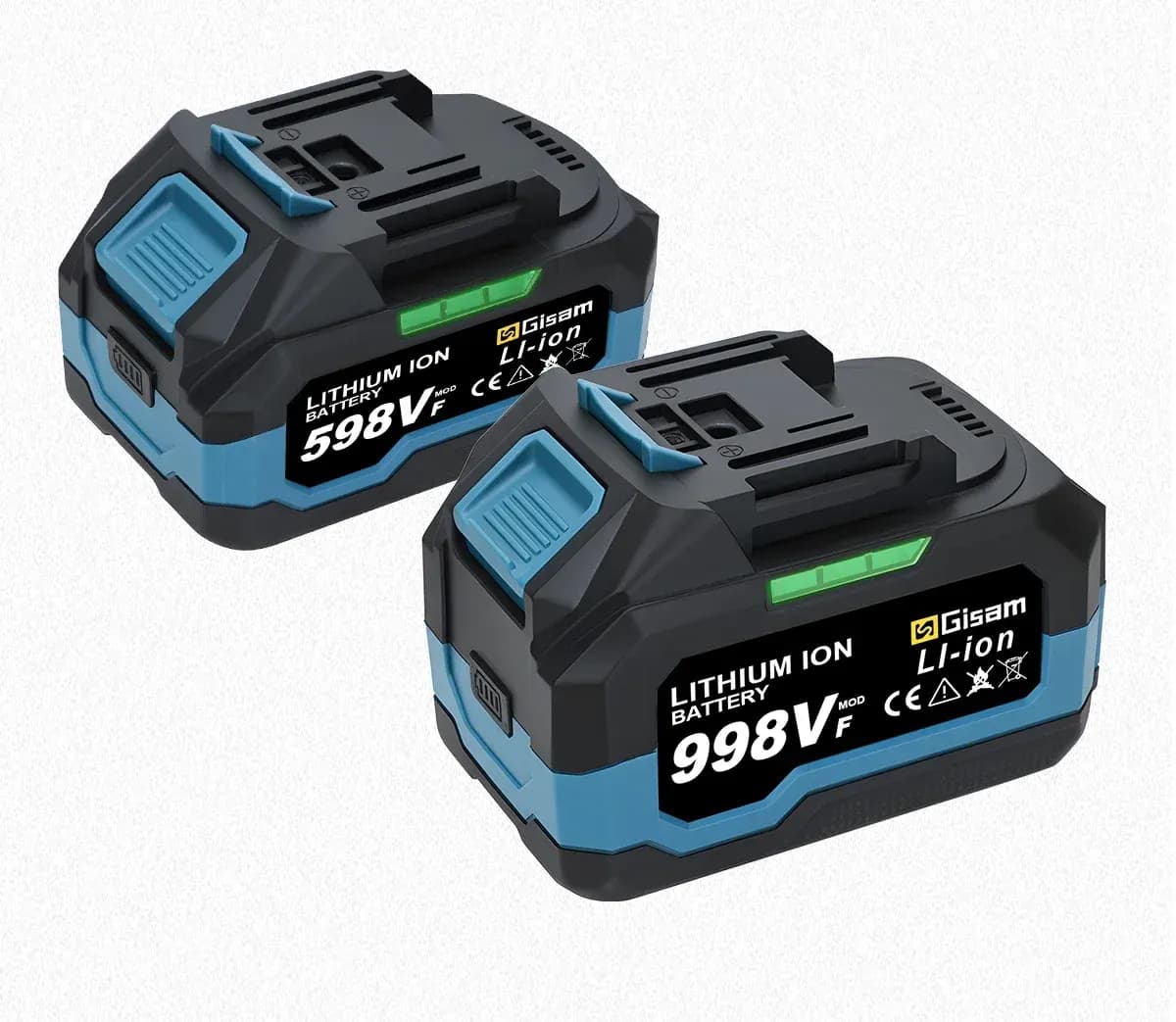
This model is designed for Makita 18V B-series lithium batteries, including common packs such as BL1850B, BL1840B, BL1830B, BL1430B, and BL1820B. It is not compatible with G-series batteries or older 18V Ni-CD packs, so checking the battery code before you get it will save time and frustration.
That compatibility makes the planer appealing for users who already run Makita-style tools and want one more body-only machine in the kit. Since batteries are not included, the value sits in platform sharing rather than out-of-box convenience, which is a fair trade for anyone with spare 18V packs on hand.
What the 3kg body and included accessories mean in practice
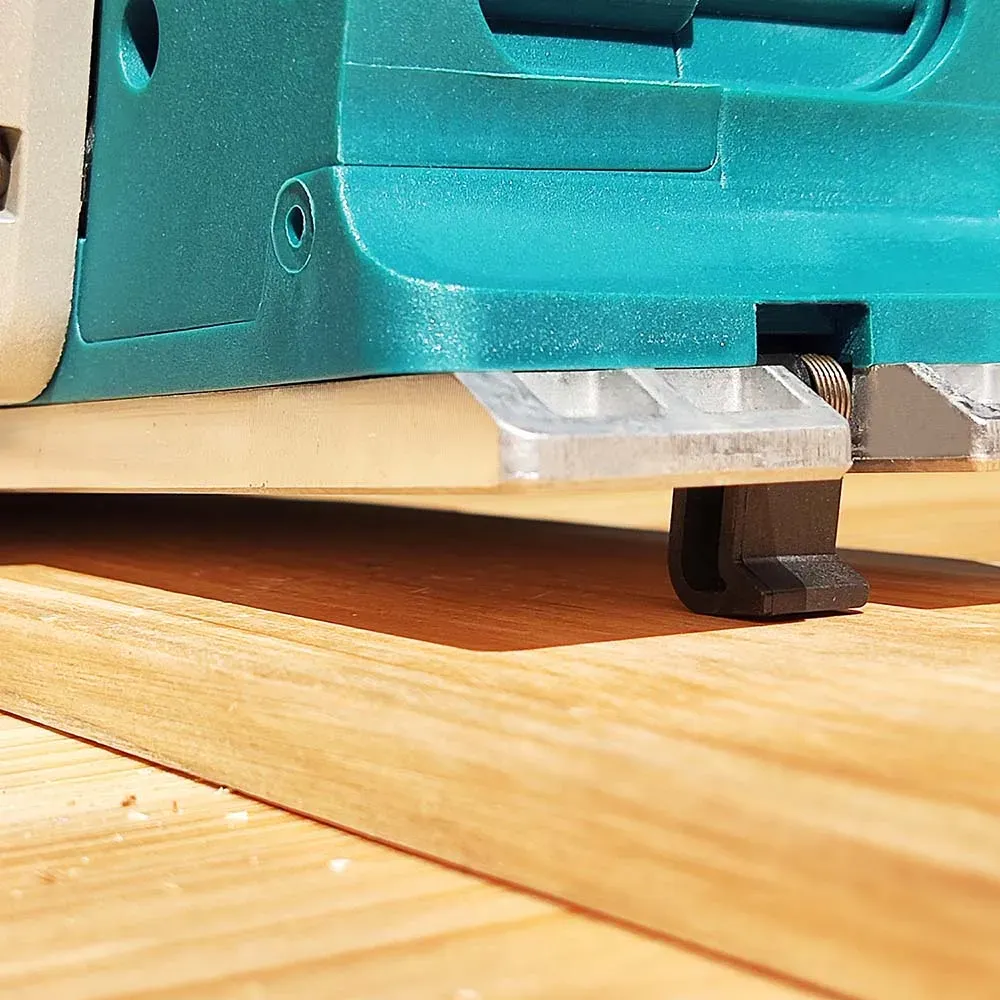
At 3kg, the planer sits in a manageable range for handheld woodworking, especially when working along a bench edge or inside a cabinet frame. The lighter body should reduce wrist strain during short bursts, while the supplied five accessories give you enough to start basic setup and maintenance work.
The package is best suited to home DIY, furniture correction, and renovation touch-ups rather than all-day production use. If you need a compact planer that can travel from workshop to site without much fuss, this one makes sense, and the next detail is where it fits against corded alternatives.
Cordless convenience versus corded power
A corded planer still wins when constant runtime matters, but it also brings cable drag and less freedom around awkward workpieces. This cordless version is easier to position on stairs, in tight rooms, or beside a finished cabinet where a trailing lead would get in the way.
The trade-off is clear: you are choosing mobility and cleaner handling over unlimited runtime. For users who already own compatible Makita batteries, that compromise is easier to accept, and the build appears aimed at exactly that kind of practical workshop setup.