











Makita compatibility with more usable impact
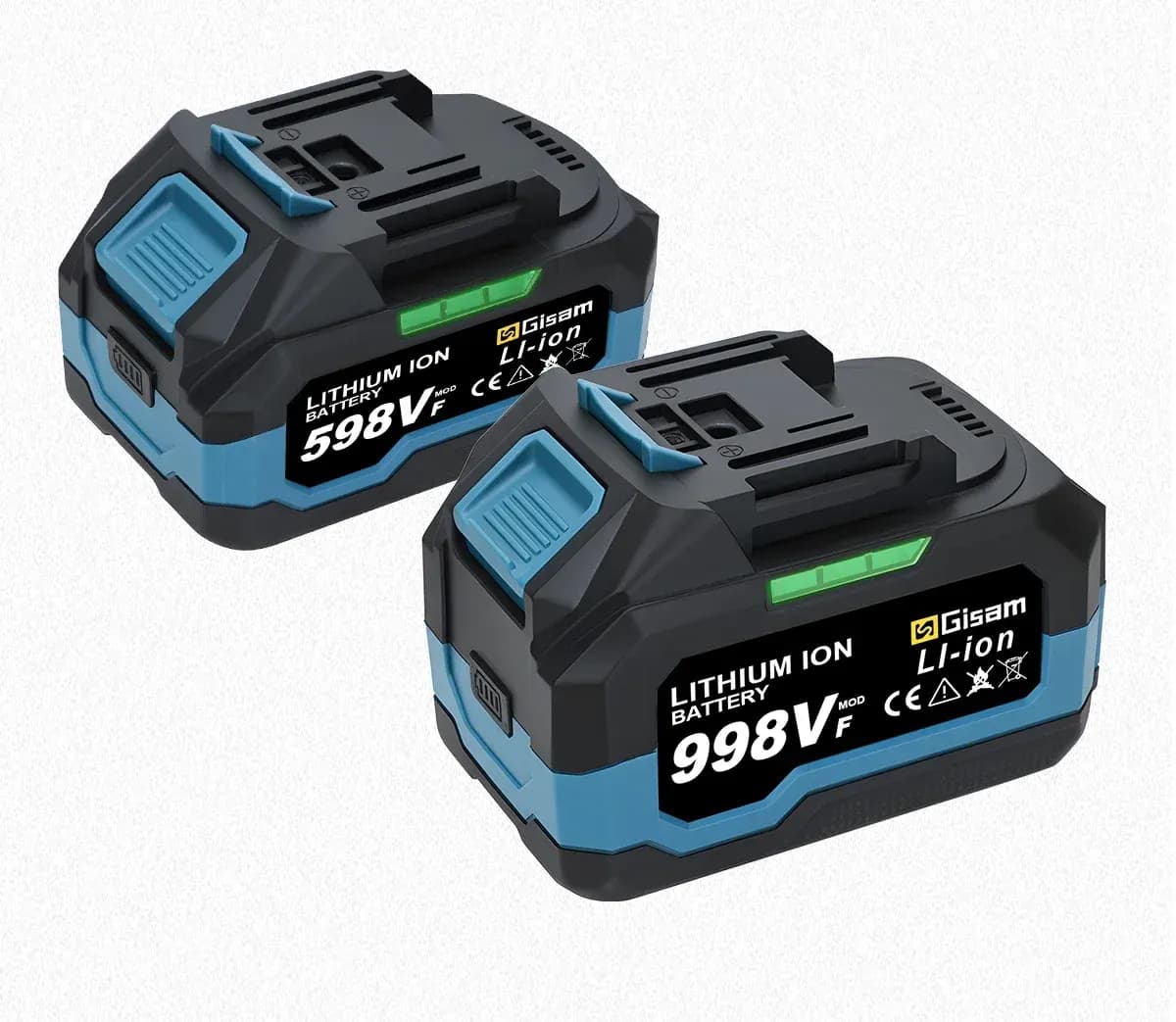
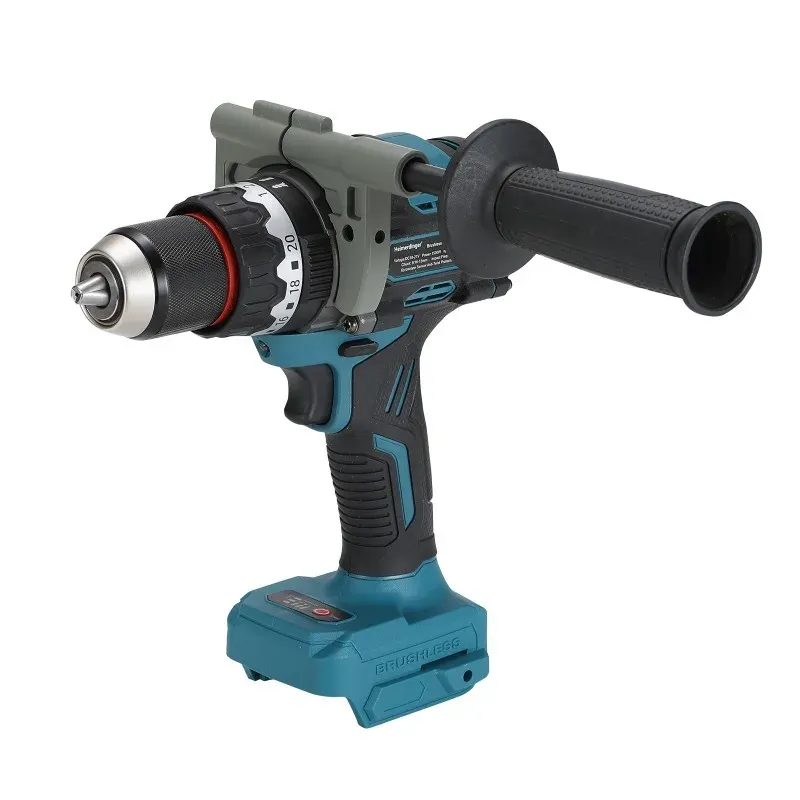
Makita is respected in the AliExpress UK tools niche because its battery platform has become a practical standard for cordless users who want broad accessory and tool compatibility. This Gisam-branded hammer drill leans into that ecosystem, so it makes sense for users who already run Makita 18V batteries and want a compact drill that can handle tougher surfaces without dragging a cord behind it.
The appeal here is not raw industrial class power, but a balanced cordless format that suits drilling into brick, stone, and general home renovation materials. According to customers, the tool feels solid rather than toy-like, which matters when you are switching from light drilling to hammer mode in the same session.
Why the 26mm drilling figure matters on site
A 26mm maximum drilling diameter places this model above basic household drills and into the range where masonry work starts to feel realistic. In practice, that means it is better suited to anchor holes, fixture installation, and occasional concrete drilling than to delicate cabinetry or precision woodworking.
If you mainly drill into plasterboard and soft timber, this capacity is more than you need, but it becomes useful the moment the surface turns dense. One customer noted that it handled a 12mm stone bit well, which suggests the tool is most comfortable in the mid-range tasks that many DIY users actually face.
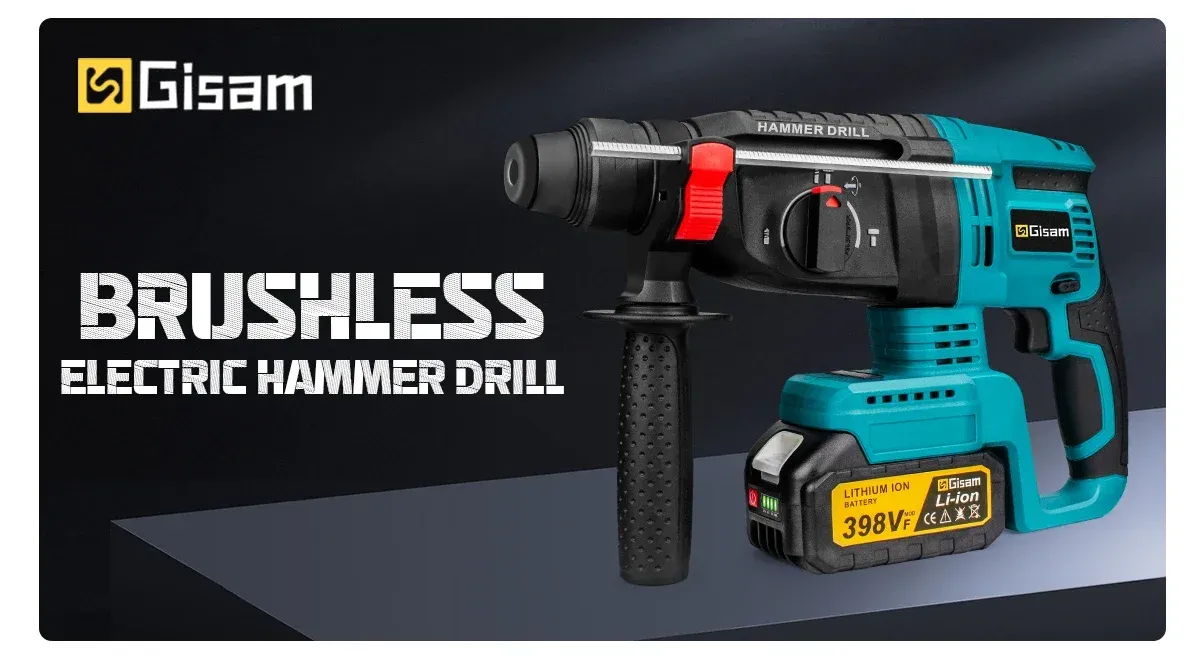
Brushless motor: quieter maintenance, steadier torque
The brushless motor is the most meaningful engineering choice in this listing because it usually improves efficiency, reduces wear, and helps the tool hold performance better under load. You do not get the friction and brush replacement issues associated with older motor designs, so the drill is better suited to repeated weekend use.
That also helps explain why several users describe the machine as heavy and well made, with less of the hollow feel that often gives away cheaper cordless tools. The trade-off is that brushless performance is only as good as the battery you pair with it, so the next question is how the cordless format behaves in real use?
What cordless freedom changes in daily DIY work
Running on an 18V battery platform makes this hammer drill easier to move around lofts, gardens, and unfinished rooms where sockets are awkward or unavailable. It is a clear advantage for anyone assembling shelves, fixing brackets, or drilling on ladders, where a cable would slow the job down.
Users also mention that the machine is sufficient for occasional reinforced concrete drilling, which is useful context because that is where many compact cordless drills start to struggle. The vibration noted in one review is worth keeping in mind, yet for this class and this kind of pricing it reads more like a limitation of format than a fault in the concept.

Who gets the most from this drill
This is strongest as a home DIY and light trade support tool for people who already own Makita batteries and want one body that can cover hammer drilling and standard rotary work. It is less convincing as a primary heavy-duty site hammer, where a larger SDS machine would deliver faster hole-making and less fatigue.
The included battery support is a practical plus, but the product page does not make the accessory bundle especially clear, so checking the exact configuration before you get it is sensible. The packaging has been described as basic by some customers, while the tool itself earned far better feedback, which is often the real split with these marketplace power tools.
- Brushless motor for better efficiency and lower wear
- 26mm maximum drilling capacity for masonry-focused tasks
- 18V cordless format for flexible movement
- Makita battery compatibility for easier ecosystem use
- Hammer drill mode for brick and light concrete
- CE-certified listing for added purchase confidence
- Solid-feeling build according to customer feedback