








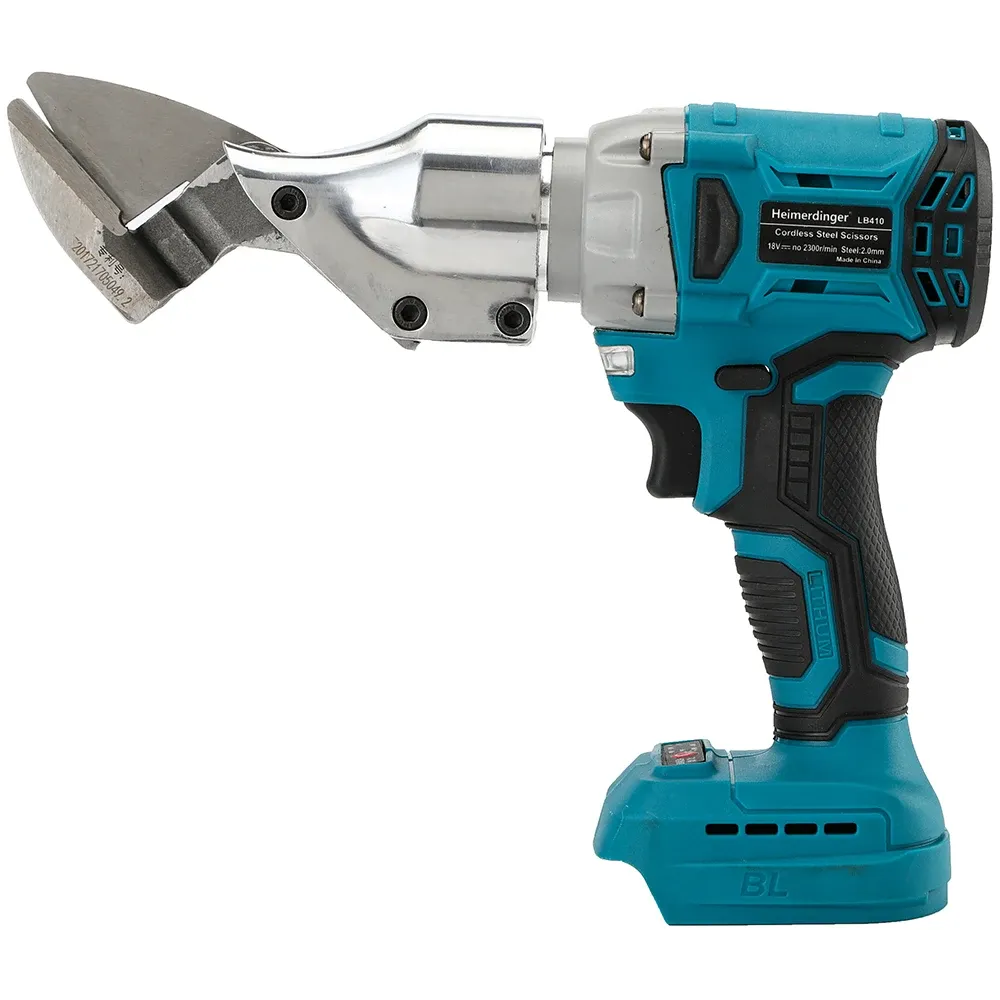

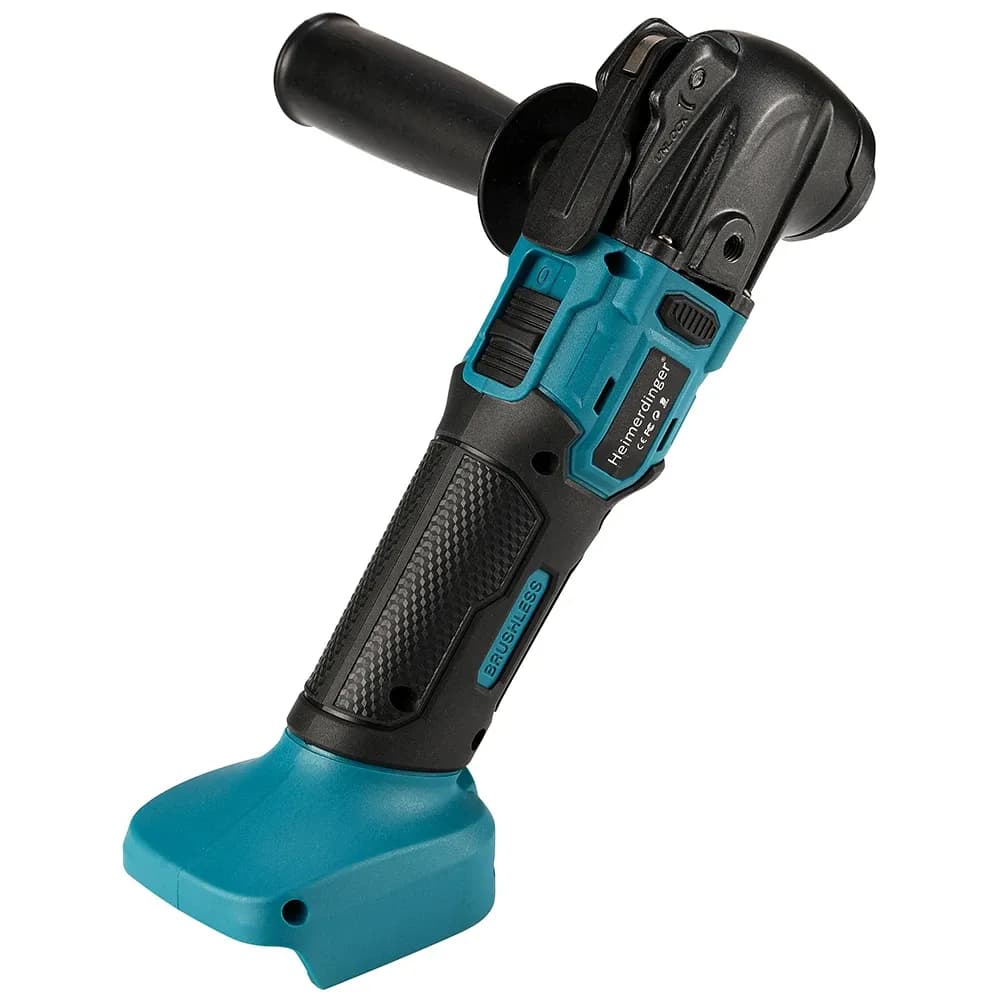
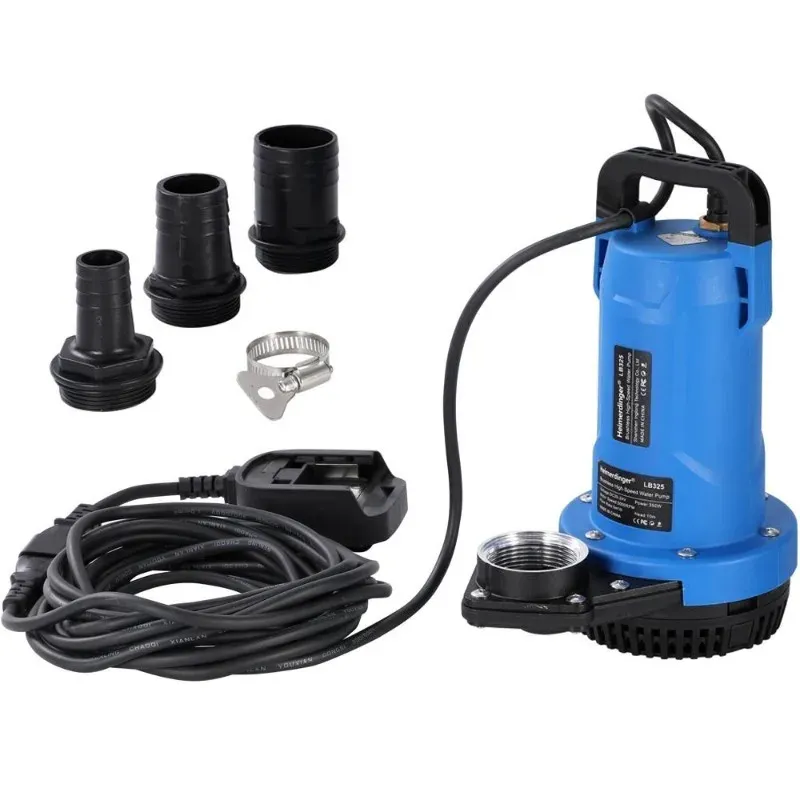
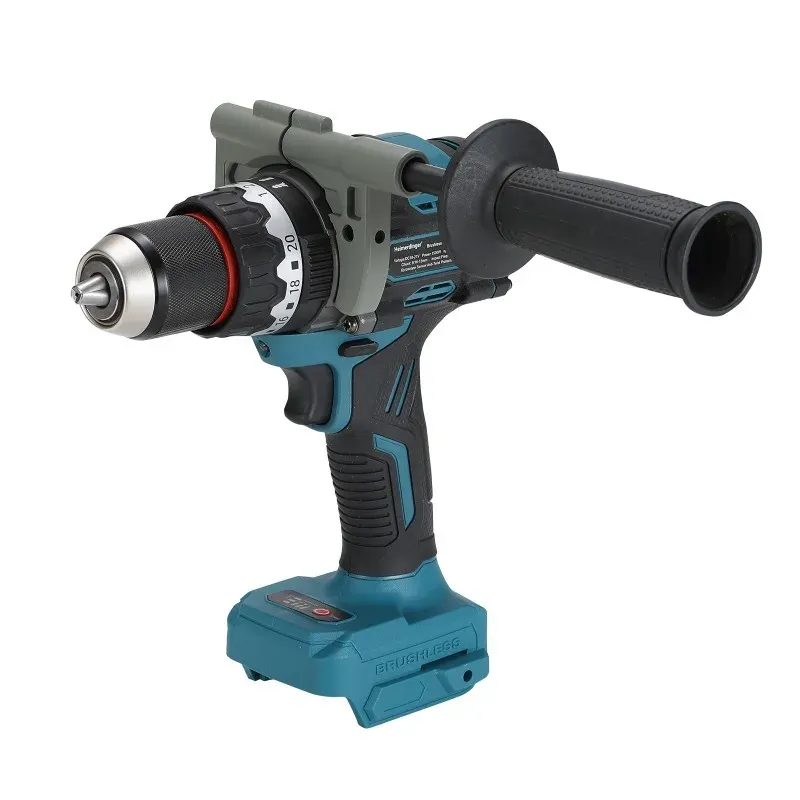

A cordless saw that solves the cable-and-power compromise
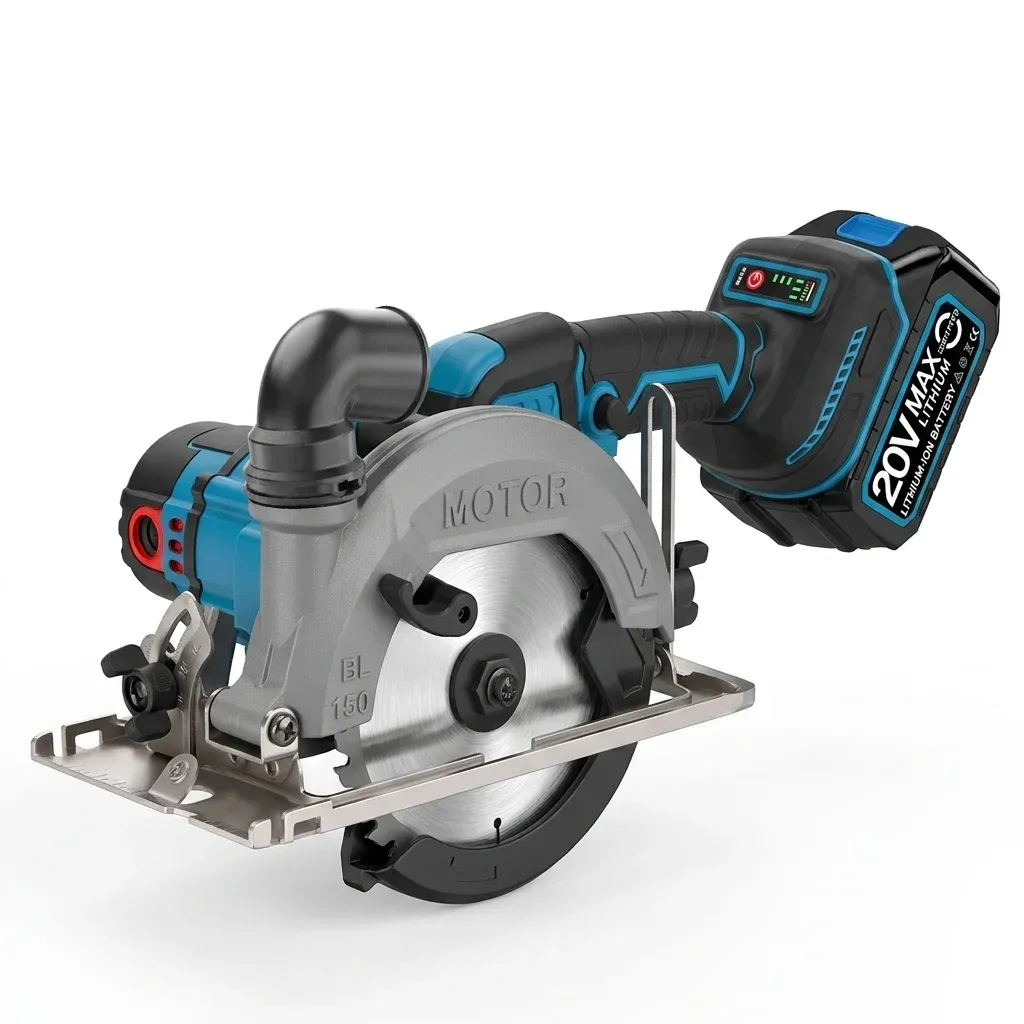
This saw is aimed at users who want portable cutting without dragging a mains lead across a renovation site. The brushless motor and 18V battery platform make it a practical fit for quick timber cuts, sheet work, and job-site adjustments.
According to customers, it feels convenient in hand and starts fast, which matters when you are making repeated cuts rather than one-off rough work. That puts it in a useful middle ground between full-size corded saws and lighter trim tools, so where does it actually perform best?
150mm blade size and 54mm depth: what that means on timber
The 150mm blade diameter gives this saw a compact footprint, while the stated 54mm maximum cutting depth is enough for common construction timber and many sheet materials. In practice, that means it can handle everyday framing tasks and plywood trimming without feeling oversized.
Users mention that it cuts smoothly through boards and plywood once they get used to the tool, which is typical for compact cordless saws with a smaller blade. The trade-off is simple: you get easier handling and better portability, but not the same continuous muscle as a mains-powered circular saw.
Brushless motor efficiency on a Makita battery setup
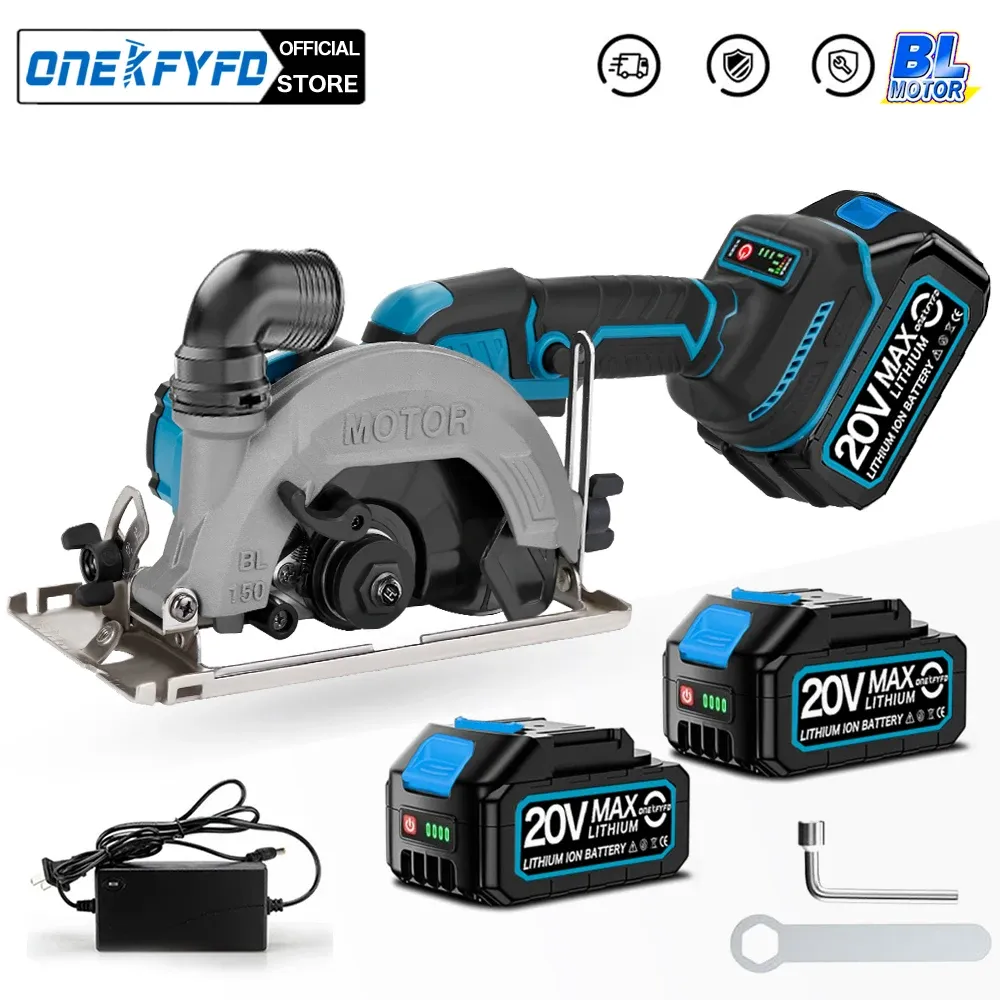
The brushless motor is the most important technical detail here because it usually delivers better efficiency, less heat build-up, and longer runtime from the same battery pack. For anyone already using Makita-compatible batteries, that makes the saw easier to slot into an existing kit.
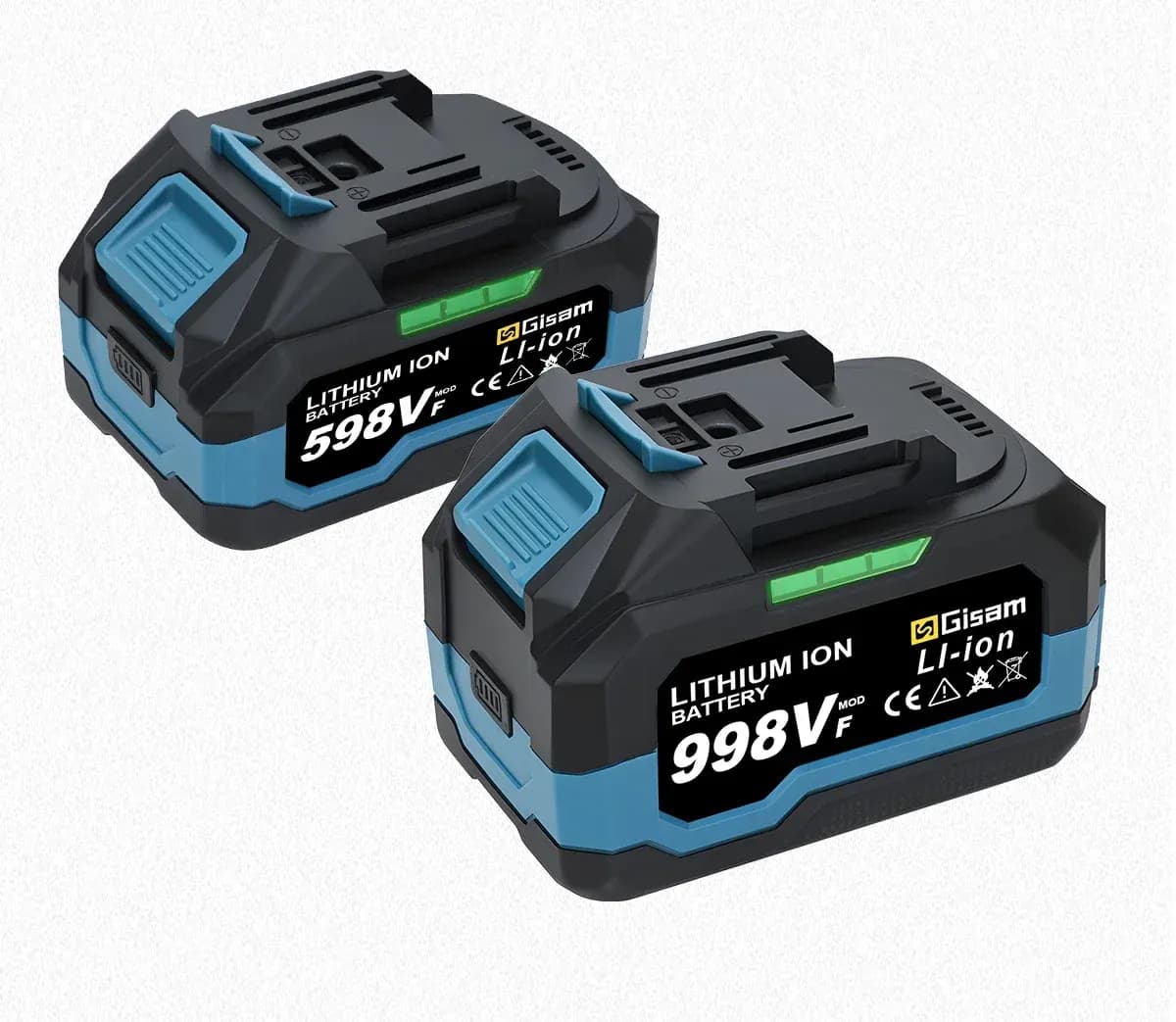
Because the battery is not included, this is best treated as a body-only tool for users who already own compatible packs. That is a sensible route for renovation teams and repeat DIY users, but it also means first-time buyers should factor in battery capacity before expecting long cutting sessions.
Accuracy, brake response, and the feel of the cut
Real-world feedback points to a saw that accelerates quickly and stops quickly, which is a good sign for control and safety during short cuts. One customer also noted minimal play, suggesting the platform can feel more stable than the low-cost cordless category often implies.
There are caveats, though, and they matter for precision work: some users reported a slightly crooked base plate or loose screws that needed tightening. If you are cutting on rails or setting exact 90-degree angles, a quick check of the sole and fasteners before the first job is worth the time, isn’t it?
Best use cases: site trimming, DIY builds, and renovation work
This tool makes the most sense for renovation teams, workshop users, and DIY builders who need a portable saw for timber and board cutting. It is especially appealing when you want to move quickly between rooms, floors, or benches without hunting for sockets.
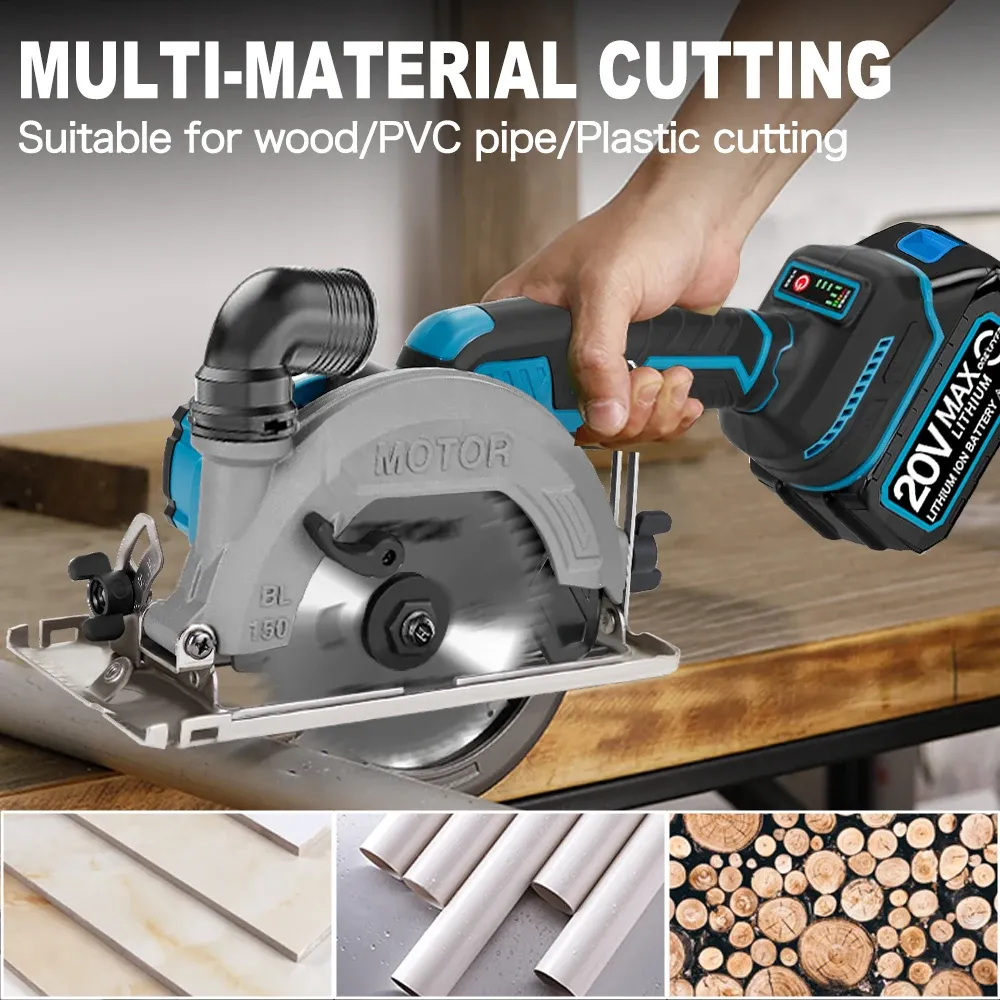
Customers describe it as very convenient for home projects, and that matches the design intent well. If your workflow is mostly wood, plywood, and general renovation cutting, the saw’s size and battery format are a clear advantage over heavier corded machines.
What to check before you start cutting
The main practical point is blade compatibility: users mention 150mm blades with a 20mm bore, which are widely available, but it is still worth confirming the exact fit before ordering accessories. The other point is packaging and setup, since one review mentioned bent framing after poor transit protection.
For best results, inspect the base, tighten the hinge screw and platform fasteners, then test the angle before making a finished cut. That small preparation step can turn a good budget saw into a much more dependable one, especially on precise joinery jobs.
On AliExpress UK, this is the kind of tool that stands out when you already have the battery ecosystem and want a compact saw that feels more serious than its category suggests.