











Built for fading paint, not just for shine
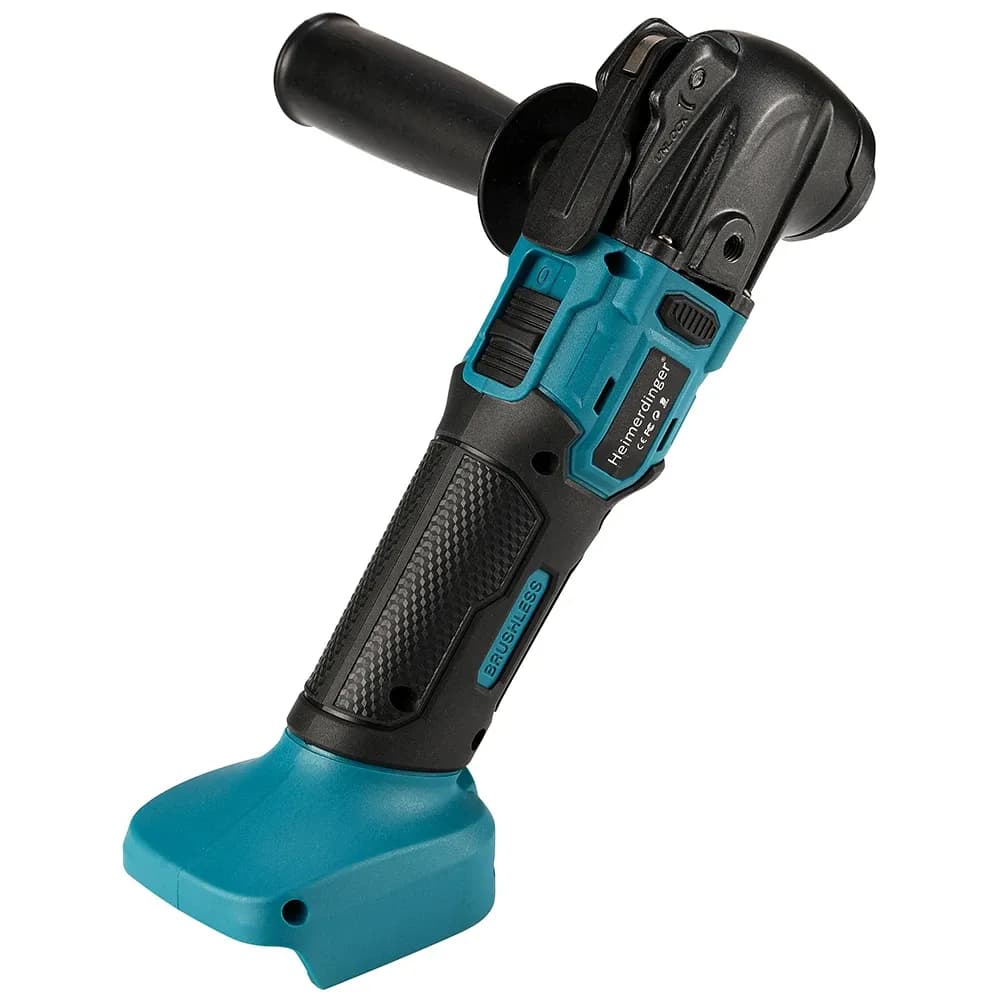
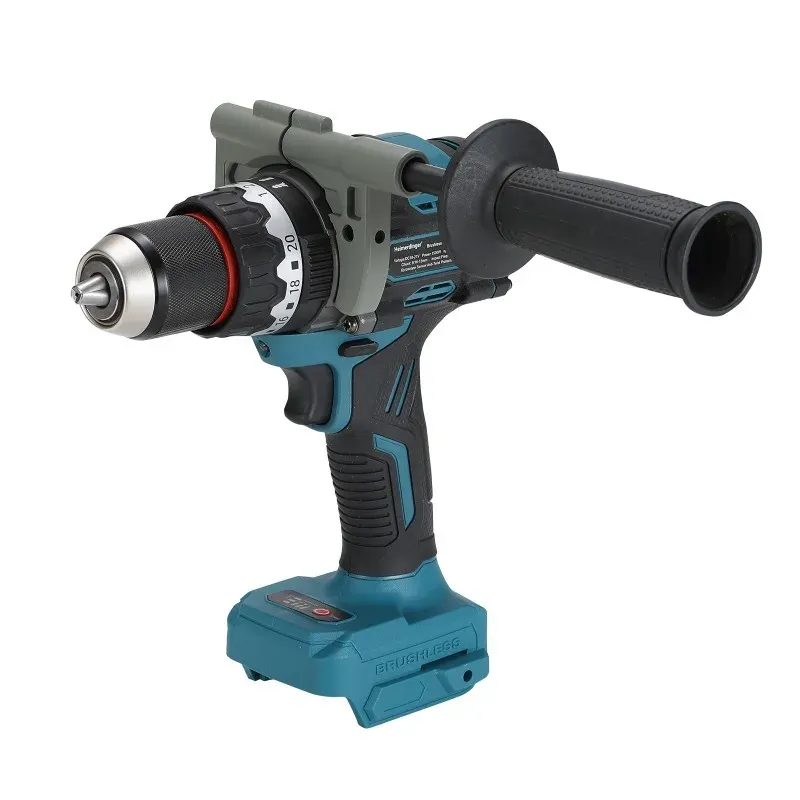
This cordless polisher solves a familiar problem: getting a clean, even finish without dragging a mains cable around the car or workshop. The Makita-compatible battery platform makes it easy to slot into an existing tool setup, which is a real advantage for AliExpress UK shoppers already invested in 18V packs.
With a brushless motor and random-orbit action, it is designed to reduce the harsh swirl marks that can appear with more aggressive rotary machines. That makes it more forgiving on clear coat, especially when you are working on a daily driver rather than a show car, so how does the speed control change the result?
6-inch pad size and 145mm backing: what that means in practice
The 145mm sand pad size puts this tool in the useful middle ground for body panels, bumpers, and door sections. A 6-inch head covers enough surface area to speed up polishing, yet stays manageable around tighter curves and mirror caps where larger machines feel clumsy.
At 3kg without a battery, it is not featherweight, but the mass can help the pad stay planted on the paint when you are applying wax or compound. For users who want a steadier feel than a tiny detailer tool, that extra weight can actually improve control on flat panels.
Why 6 variable speeds matter on real paintwork

The 6-speed control is the feature that separates this from basic single-speed polishers. Lower settings are better for spreading wax or sealant, while higher settings help with cutting and finishing, and the 6300rpm no-load speed gives enough headroom for more demanding correction tasks.
That flexibility also makes the machine more adaptable to carpentry, decoration, and light mechanical work listed in the specs. In practice, it means one body can handle several jobs, though the right pad and compound still matter more than raw speed, so what should you expect from the motor itself?
Brushless power for longer sessions
The brushless motor is the most credible performance upgrade here because it usually runs cooler and needs less maintenance than brushed alternatives. In a cordless polisher, that can translate into steadier output during longer detailing sessions, which is useful when you are working across an entire bonnet or estate car.
The rated 1000W input and 18V platform suggest a tool aimed at serious DIY users rather than casual one-pass waxing. Customers have rated it 5/5 from the small review pool, with comments like “excellent product” and “Everything is great!”, which supports the impression of a well-received, no-frills machine.
Where it fits better than a rotary polisher

Compared with a rotary polisher, this random-orbit design is easier to live with for non-professionals because it is less likely to leave obvious holograms. If you are refreshing used paint, applying finishing wax, or maintaining a family car, that safer motion is often the more practical choice.
It is less suited to heavy defect removal than a dedicated pro-grade correction machine, especially on badly oxidised paint or deep scratches. Still, for routine detailing, the combination of cordless freedom, variable speed, and brushless drive makes it a strong workshop companion, and the final question is whether the kit is ready to use as-is.
Who will get the most from this kit?
Users with Makita-style 18V batteries will get the best value because the tool body is only part of the setup. Home detailers, DIY restorers, and small workshop owners will appreciate not having to manage a cable while moving around a vehicle or cabinet surface.
Because there are no images or detailed accessory notes in the listing, it is worth checking exactly what pads and fittings are included before you order. That small step matters here, because the machine’s performance depends as much on the consumables as on the motor behind them.