










Makita’s cordless format suits workshop work that needs speed, not cables
Makita has built its reputation on tool systems that feel consistent across the range, which matters when you already use 18V packs in a home workshop. In the AliExpress UK niche, that compatibility is often the real value, because it lets users expand a kit without changing batteries or chargers.
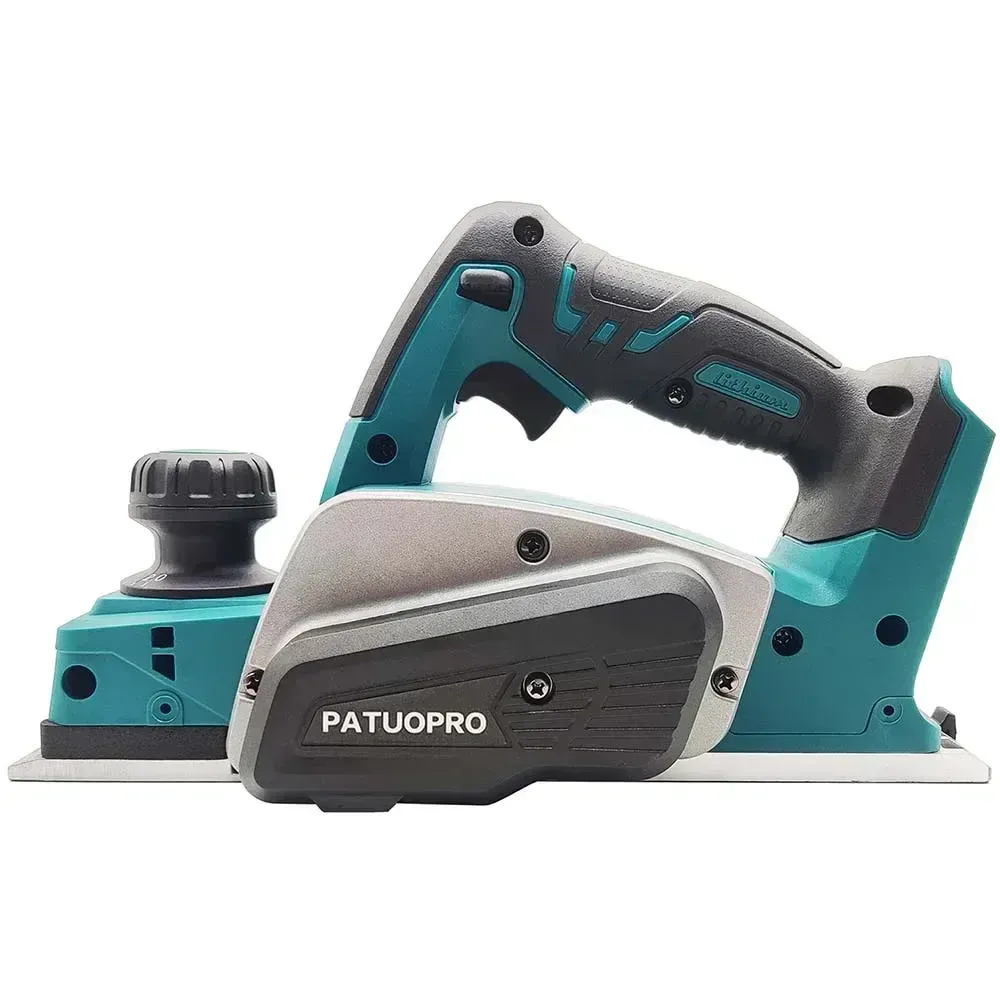
This planer follows that logic with a compact cordless body and a brushed motor tuned for straightforward DIY smoothing. The appeal is not showroom polish; it is the ability to take a rough board, a proud edge, or a slightly misaligned furniture panel and bring it back into shape quickly, so what does that mean in practice?
82mm cutting width: enough to clean timber fast without losing control
The 82mm planing width is the sweet spot for common furniture and joinery tasks, wide enough to cover material efficiently but still narrow enough to stay manageable on smaller pieces. A 2mm maximum cutting depth gives you a useful amount of stock removal in a single pass, which helps when you are correcting warped edges or trimming doors and shelves.
The 15,000rpm no-load speed is the number that explains the planer’s pace, since higher blade speed usually translates into a cleaner, more even shave on softwood and prepared hardwood. Users mention that it starts up cleanly and works as described, which is reassuring for a tool that is often used on visible surfaces where tear-out can spoil the finish.
What the brushed motor and carbide blades suggest about real-world use
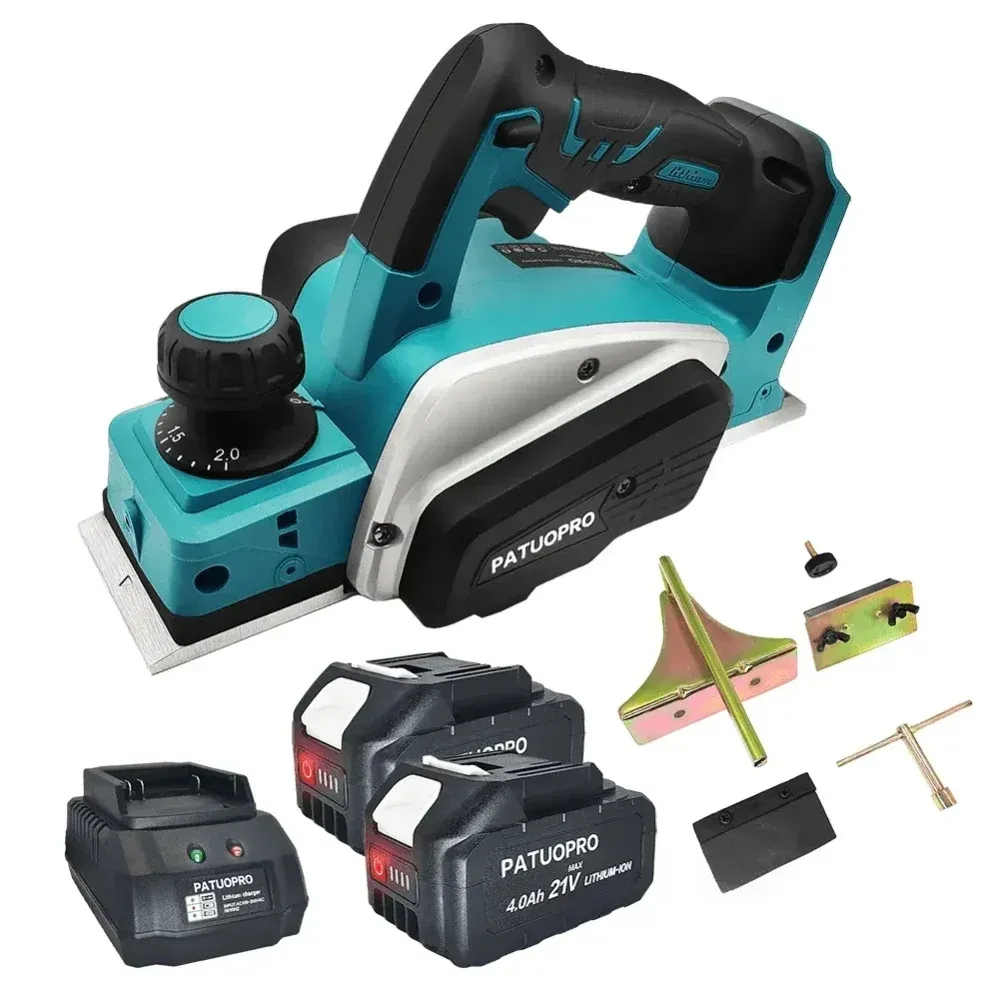
A brushed motor is not the most advanced option, but it keeps the design simple and familiar for occasional DIY use. Compared with a brushless alternative, this type usually makes more sense for users who want a practical planer for intermittent jobs rather than all-day trade work.
The double-edge carbide blades are the detail that matters most for surface quality, because carbide holds an edge better than basic steel on repetitive trimming jobs. That gives the cut a more controlled feel under the hands, with less chatter across the grain when the workpiece is properly supported, and the next question is how easy it is to set up.
Depth adjustment and battery fit: the two things that decide whether it feels refined
The depth dial uses clear step settings from 0mm to 2mm, which makes fine adjustment easier than guessing by feel. That matters when you are sneaking up on a flush joint or matching two boards, because a small change in depth can be the difference between a clean pass and a visible mark.
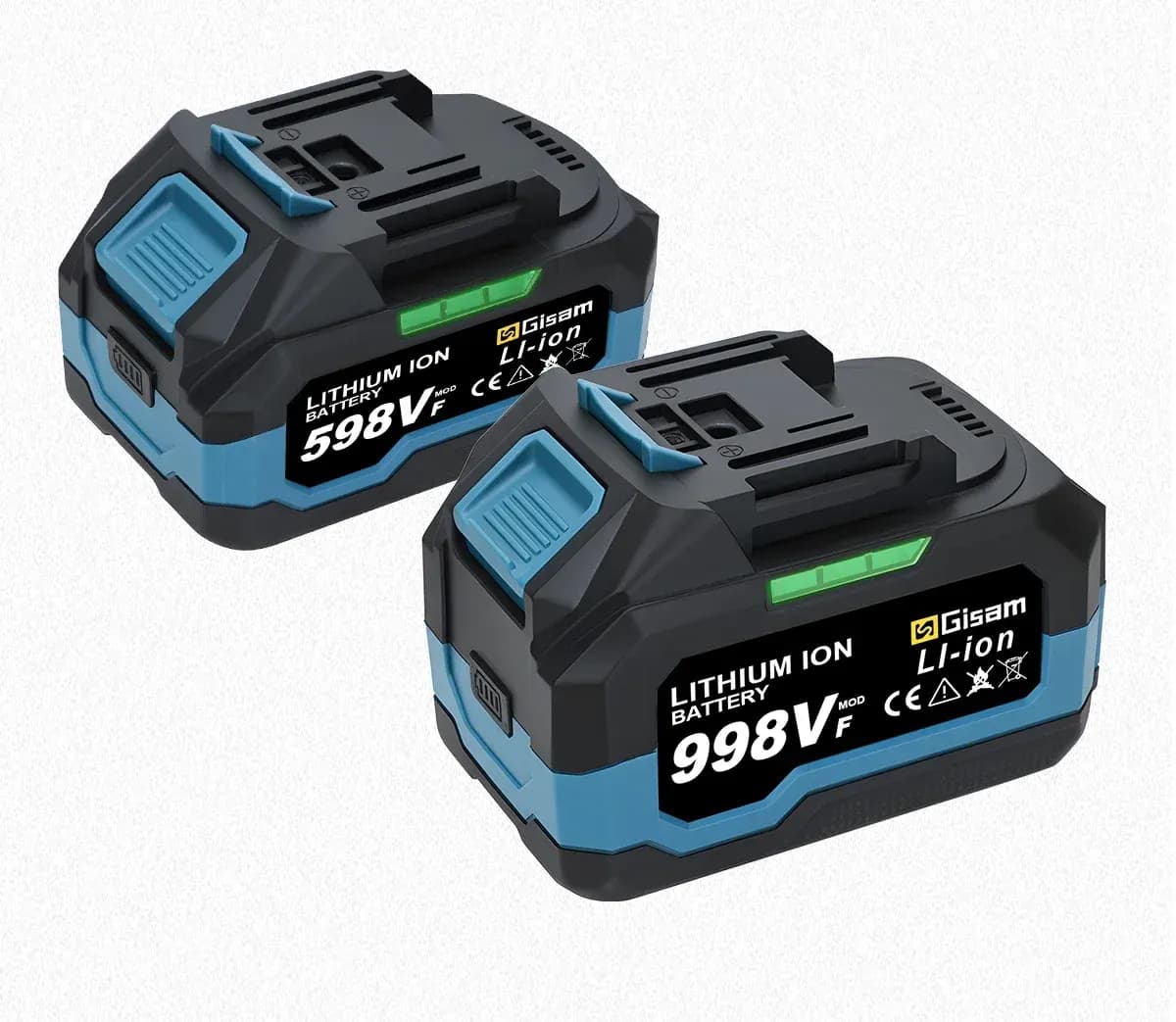
Battery compatibility is focused on Makita 18V B-series packs, including common BL18xx options, while G-series and 18V Ni-Cd packs are excluded. That is a meaningful detail for existing Makita users, since the wrong battery family can turn a convenient cordless tool into a frustrating mismatch, so it is worth checking before you get started.
How it fits into a home DIY workflow
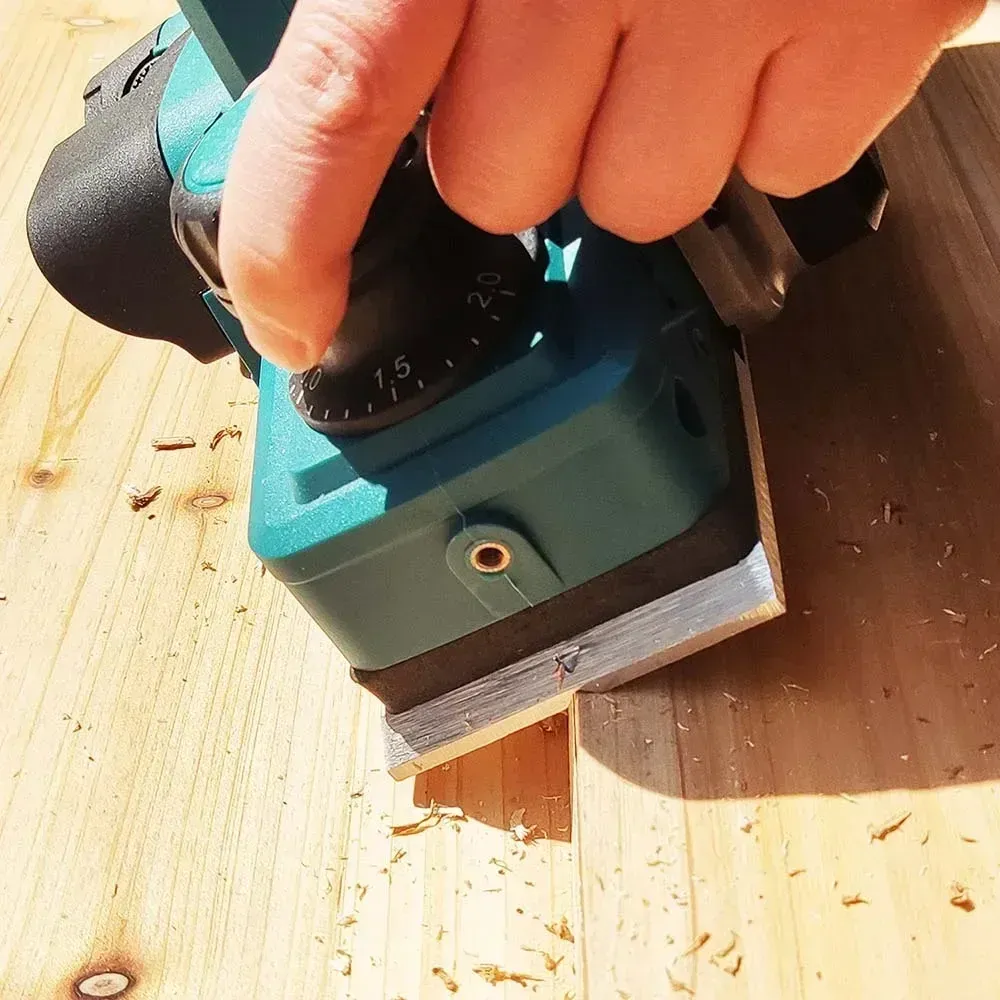
At about 3kg, this planer sits in the range where it still feels portable enough for quick jobs without feeling flimsy. For shelving, cabinet edges, and occasional door fitting, that balance is often more useful than a larger corded planer that stays in one corner of the workshop.
Real customer feedback is small but encouraging, with a 4.9/5 average from 11 reviews and comments describing intact delivery, good workmanship, and proper function on first test. One user noted that the platform needed adjustment, which is a useful reminder that even a well-specced planer still benefits from a careful setup before the first cut.
Where this planer makes the most sense
This is best seen as a compact, battery-led finishing tool for home workshops rather than a heavy renovation machine. If you already run Makita-compatible batteries and want a planer that can smooth, trim, and correct small timber issues without dragging a cable across the bench, this format makes immediate sense.
It is less convincing for users who need deep, continuous planing on large hardwood stock, where a brushless motor and a heavier chassis would usually be more comfortable. For furniture assembly, light carpentry, and occasional site-style work around the house, it stays focused on the jobs it was clearly built to handle.