










Makita-compatible power for fast site work
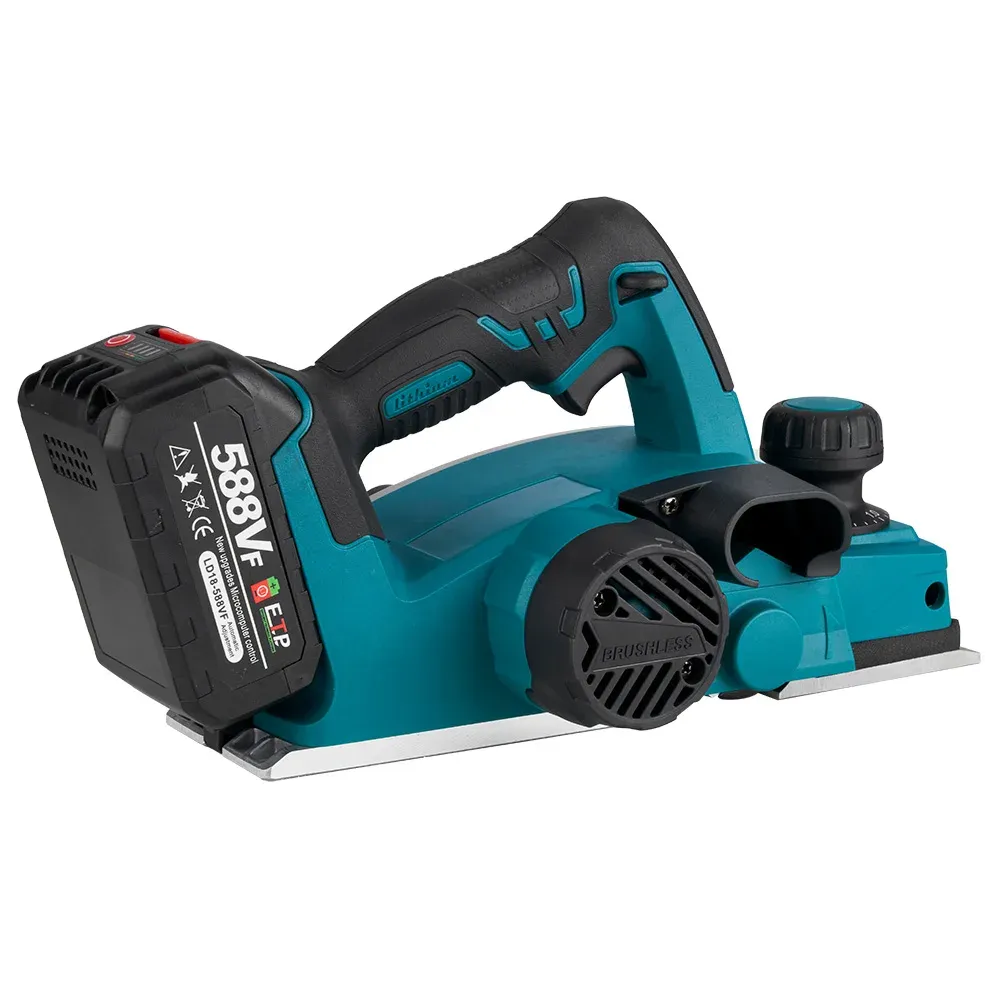
ONEVAN’s cordless planer-trimmer is aimed at one clear problem: getting clean timber correction without dragging a mains lead across a renovation site. The Makita 18V battery platform makes it easy to slot into an existing tool ecosystem, which is exactly why this kind of body-only tool has become so common in the AliExpress UK niche.
The brand positioning matters here because users are not just getting a generic no-name shell; they are getting a brushless, CE-certified tool with the familiar battery format many renovation teams already carry. That makes the first question less about compatibility and more about whether the cutting performance matches the claimed 30,000rpm speed, which is where the details start to matter.
30,000rpm: what that speed changes in practice
A no-load speed of 30,000rpm suggests a very aggressive cutting action for light to medium woodworking tasks, especially when trimming edges or cleaning up surfaces after installation. In practice, that should translate into a sharper, more immediate bite on timber rather than the sluggish feel of lower-speed compact planers.
The 2mm maximum planing depth keeps the tool focused on controlled passes instead of heavy stock removal, so it suits finish work better than rough carpentry. That is a sensible balance for renovation crews, because a shallow cut is easier to control on doors, shelves, and fitted panels, but how does the 82mm width affect real-world coverage?
82mm planing width and shallow depth: where it fits best
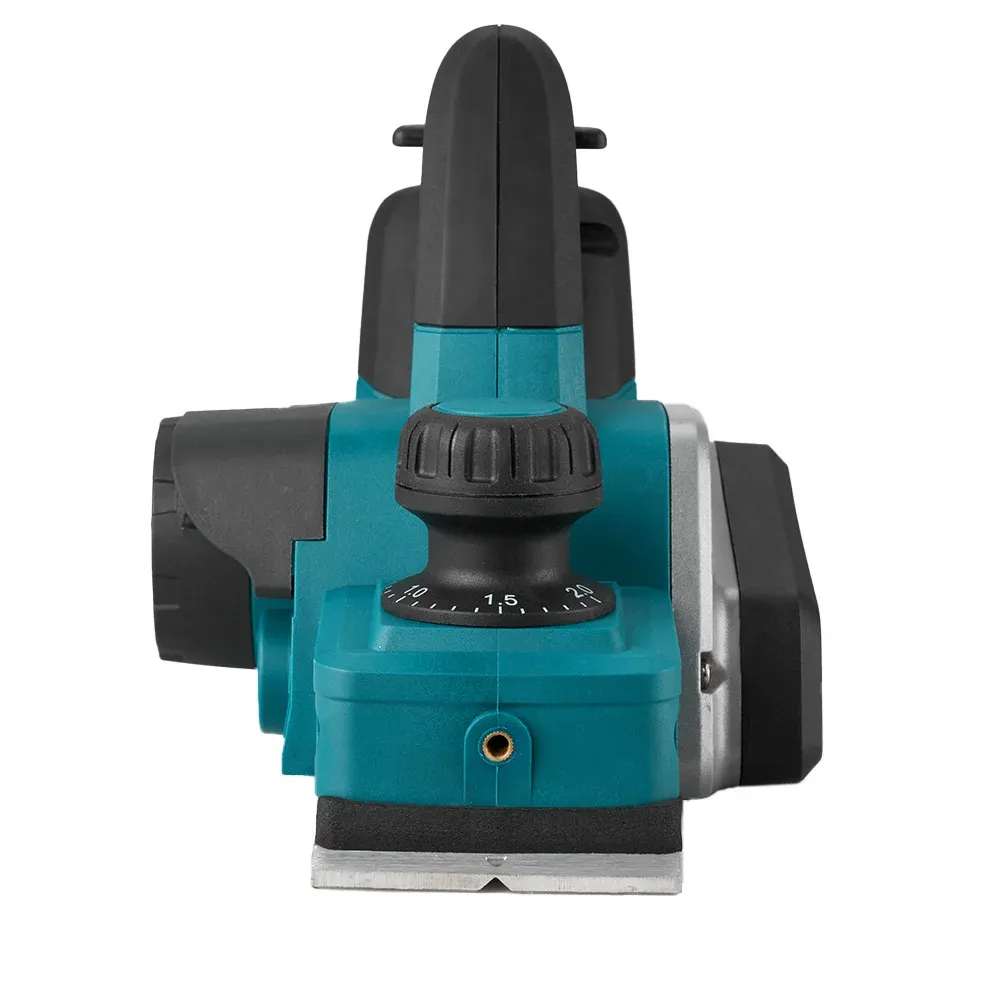
The 82mm planing width is broad enough to make each pass worthwhile, yet still compact enough for tighter spaces and short workpieces. Users who need to flatten a warped edge, shave a door, or clean up joinery will appreciate that it covers more surface than a trim-only tool without feeling oversized.
Because the depth tops out at 2mm, this is not a machine for aggressive material removal, and that is part of its appeal. The controlled cut helps reduce tear-out on softer woods and lowers the chance of overcutting a visible edge, which is useful when the finish has to look clean at arm’s length.
Brushless motor, aluminum base, and chip control
The brushless motor is the main durability signal in this listing, since it usually brings better efficiency, less heat, and longer service life than brushed alternatives. Review feedback points in the same direction, with customers repeatedly describing the tool as strong, smooth, and well-made, while one user noted that battery runtime depends heavily on capacity.
The aluminum base plate and V-shaped guide groove are practical touches rather than marketing filler. They help the tool track more confidently along an edge, and the large chip outlet should keep debris moving instead of clogging the housing, which matters when you are working in dusty renovation conditions.
What the battery format means for everyday use
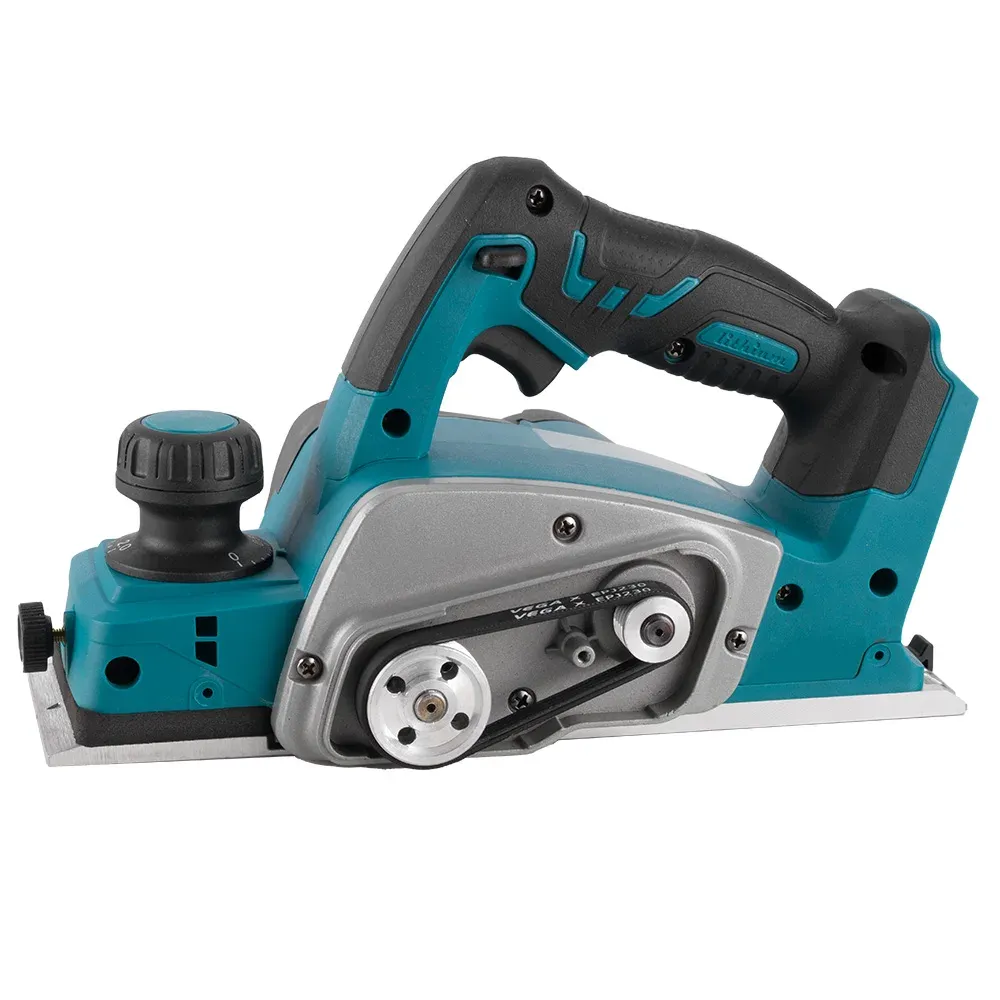
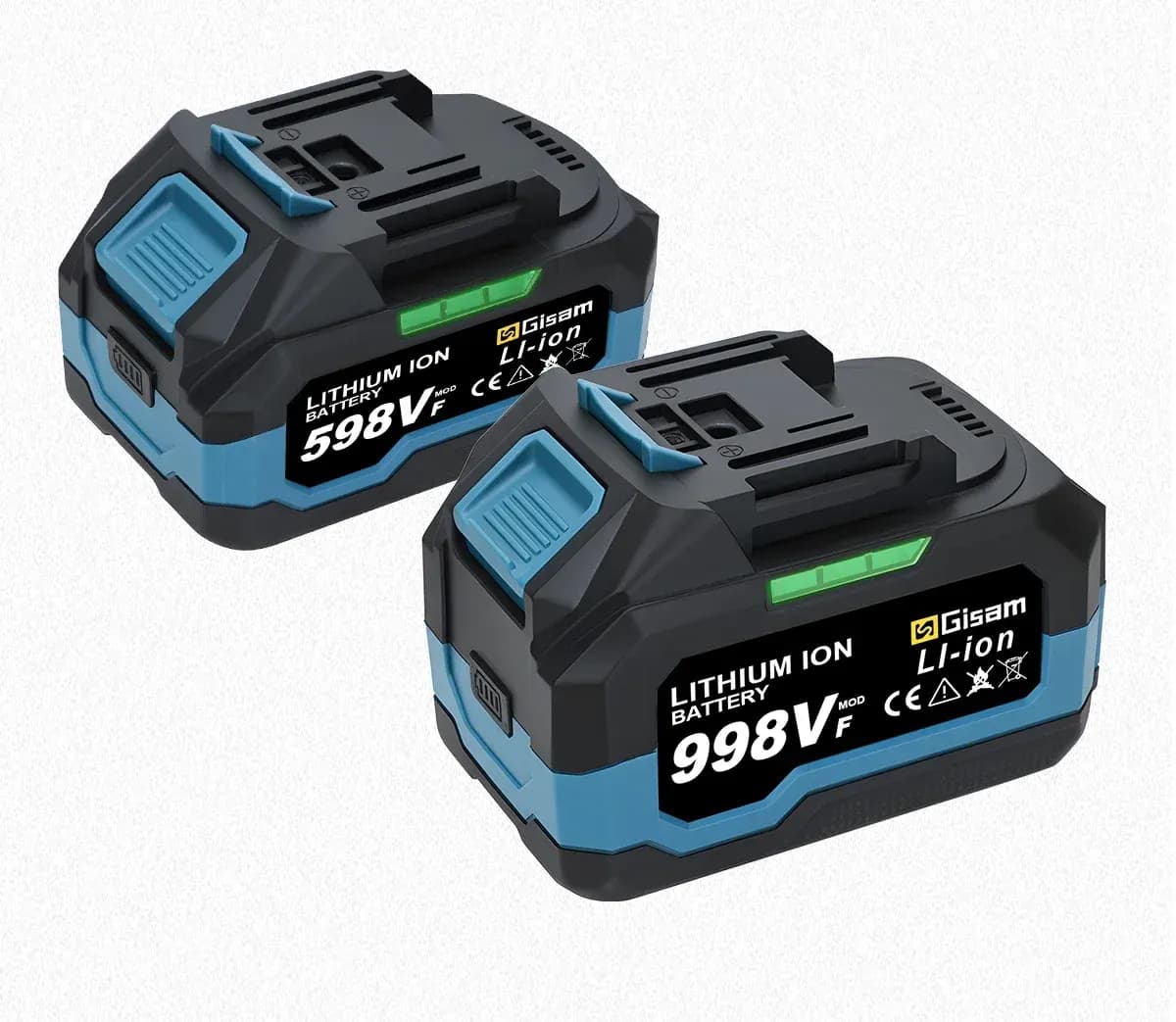
This is a body-only cordless tool, so the real convenience comes from using batteries you already own from the Makita 18V system. That reduces clutter on site and makes it easier to keep the tool moving between tasks, though users should note that smaller batteries may only deliver short runtimes under load.
At 4.2kg, it is not a featherweight tool, and that weight is worth considering if you plan to use it overhead or for long sessions. The mass can help steady the cut, but it also means the tool feels more like a serious workshop accessory than a quick grab-and-go trimmer, which is useful to know before you start a long job.
Who should get the most from it
This model makes the most sense for renovation teams, fitted-furniture work, and DIY users who already rely on Makita 18V batteries. It is less suitable for heavy stock removal, but that is not the point; its value sits in controlled trimming, edge correction, and repeatable shallow passes on site.
If you want a cordless planer that feels closer to a jobsite tool than a hobby accessory, this ONEVAN unit has the right ingredients on paper and enough user feedback to suggest it performs its core job reliably. The remaining question is runtime discipline, because the cutting head can be ready long before the battery is.