












Prostormer’s practical edge in compact renovation work
Prostormer has built a solid reputation in the AliExpress UK tools space by focusing on straightforward workshop essentials rather than inflated claims. Its products usually aim for usable torque, sensible ergonomics, and broad DIY compatibility, which is exactly what matters in a multi-tool like this.
This PTET1010 follows that pattern with a no-battery, mains-powered setup that keeps output stable through longer sessions. For users who want a renovation helper that does not fade halfway through a trim job, that consistency is the main attraction, so how does it translate in real use?
15,000–22,000 rpm: why the speed range matters
The variable speed range gives this tool enough flexibility for delicate edge work and more aggressive material removal. Lower speeds are better for control around skirting, laminate, or drywall cut-outs, while the upper range helps the blade move faster through wood and softer sheet material.
The lack of a battery also means there is no voltage drop as the job goes on, which can be useful when you are cutting multiple openings or working through a long repair list. If you have used cordless renovators that lose punch near the end of a charge, this is where a corded model can feel noticeably steadier.
What the oscillation feel suggests during use

At 50Hz oscillation frequency and a 4-degree swing, this is set up for controlled cutting rather than ultra-fast demolition. That combination usually helps the blade stay planted in the cut, which users often notice as less wandering on plunge starts and cleaner edges on finish work.
Customer feedback points in the same direction, with repeated comments about low vibration, low noise, and good finishing. That is especially relevant when you are working close to a visible edge, because a smoother cut can save time on sanding and patching, so what kind of jobs suit it best?
Best use cases for home DIY and light renovation
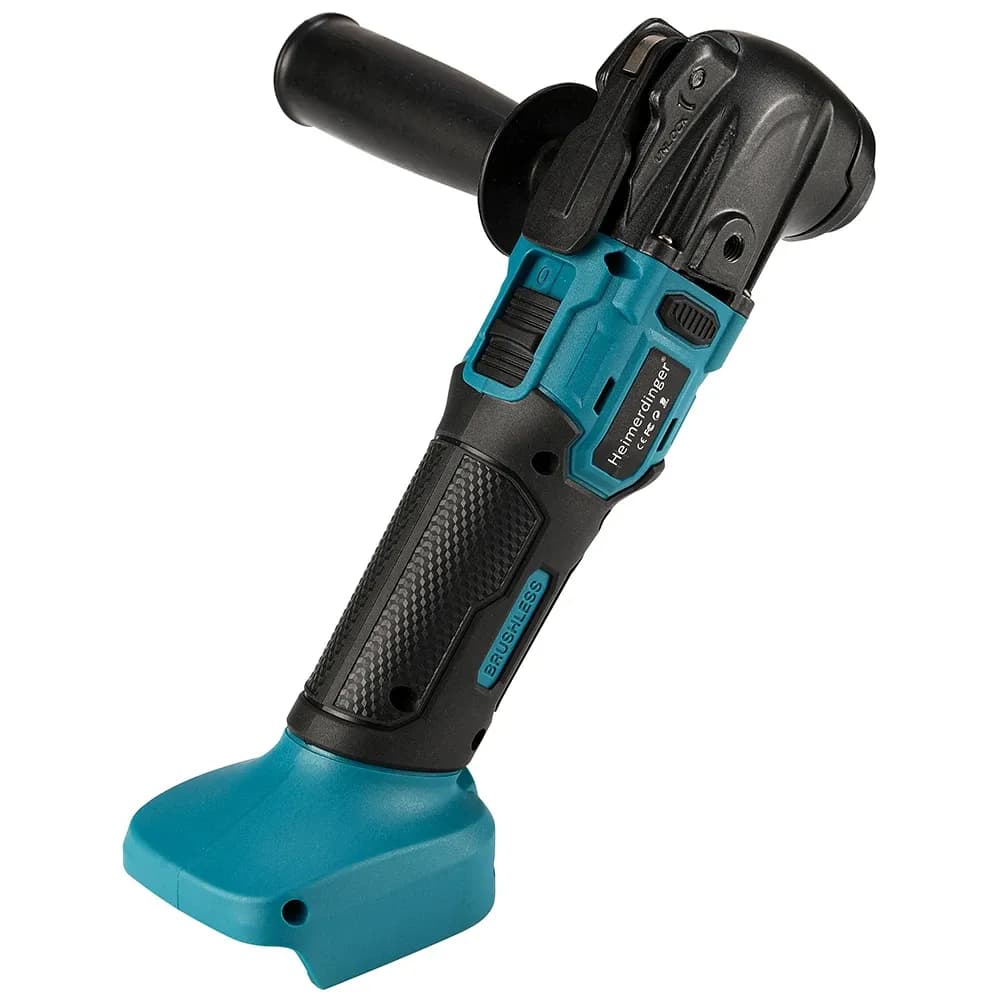
This tool makes the most sense for homeowners tackling door trims, drywall openings, wood repairs, and awkward corner cuts. It is also useful in tight spaces where a full-size saw cannot fit, since the compact oscillating head can reach into corners and along flush surfaces more easily.
Users also mention that it feels well-weighted and easy to handle, which matters when you are guiding the blade one-handed or working overhead. For renovation tasks where control counts more than raw speed, that balance can be the difference between a clean result and a patch-up job.
Blade changes, reach, and everyday workflow

The practical appeal of an oscillating tool is how quickly it switches between cutting, trimming, and surface-prep tasks with the right accessory. Reviews suggest replacement parts are not difficult to fit, which is important because a multi-tool only stays useful if blade swaps do not become a chore.
The shape also helps in hard-to-reach places, especially where pipes, frames, or fitted furniture get in the way. If your projects often involve awkward access rather than straight-line cutting, this type of tool can cover more ground than a standard saw without demanding much setup time.
What to expect at this value point
At £41.59, this sits in the accessible end of the oscillating tool market while still offering variable speed and CE certification. That makes it a sensible entry point for users who want a renovation tool for occasional to regular DIY work, not a premium trade machine.
The trade-off is clear: you gain stable mains power and simple operation, but you give up the freedom of cordless movement. If your workspace has easy access to power and your priority is control, the PTET1010 makes a strong case for itself.