











Cleaner pipe ends start with this small cutter
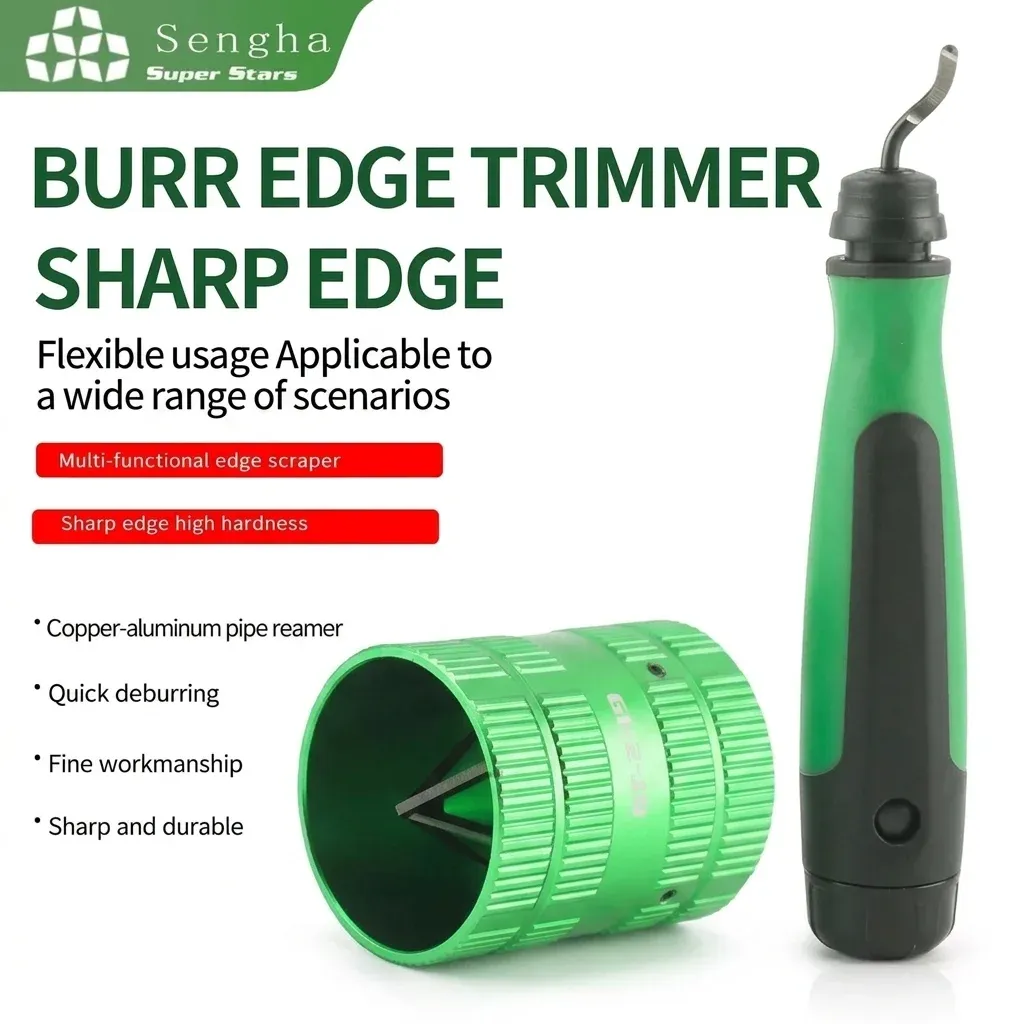
The ST-209 is aimed at one of the most common weak points in copper line work: the rough edge left after cutting. Instead of forcing a flare fitting or compressor connection to fight burrs, it gives you a quick way to smooth the pipe mouth before assembly.
That matters because a clean chamfer reduces snagging, helps fittings seat more evenly, and lowers the chance of shaving copper into the system. For HVAC and refrigeration jobs, that is a small step that can save a lot of rework later, so what does the tool actually do in hand?
Internal and external trimming in one compact body
This model is built for both inside and outside pipe edge finishing, which makes it more practical than a single-direction reamer. On a bench or ladder, that means fewer tool swaps and a faster rhythm when you are preparing several cuts in a row.
The shape is simple, but the benefit is real: you can remove the burr, break the sharp lip, and leave a cleaner transition for fittings. Users who leave feedback on AliExpress UK point to the neat appearance on arrival, which usually suggests the tool is at least well presented before first use.
Why copper pipe work benefits from a dedicated deburrer
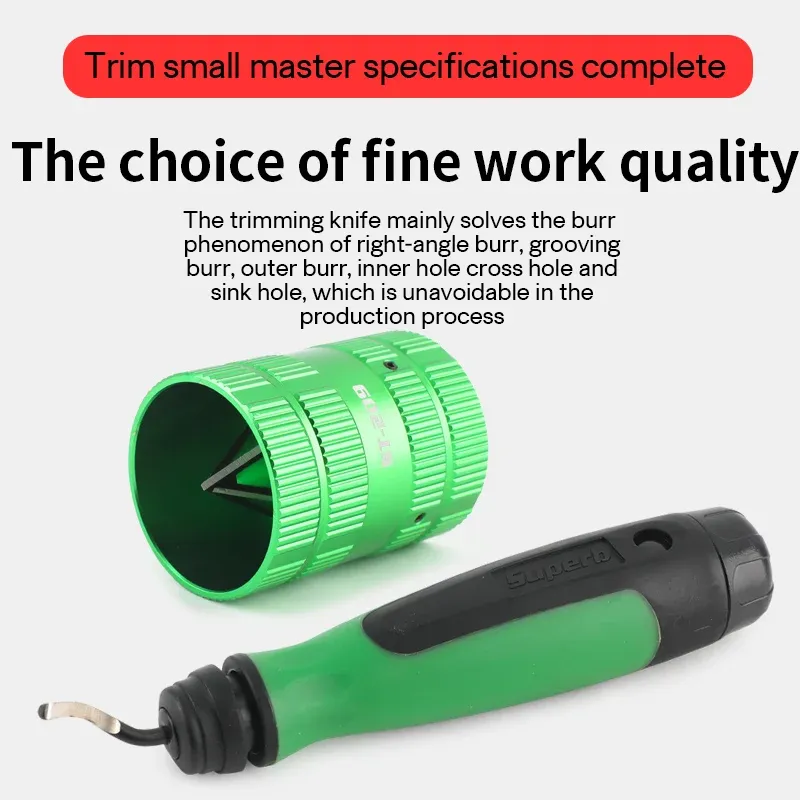
Copper is soft enough to deform, so a rough cut can fold material inward and restrict flow or create a poor seal. A dedicated deburring tool is better than a knife or file because it is designed to follow the pipe edge more evenly and avoid gouging the wall.
That is especially useful in air-conditioning installs, where a tiny imperfection can become a leak path once the system is pressurised. If you already own a cutter, this is the finishing tool that completes the job rather than replacing the cutter itself, and that distinction matters for the next section.
Best use cases for HVAC, refrigeration, and metalworking
The ST-209 fits routine copper pipe preparation for split AC lines, refrigeration tubing, and general metalworking tasks involving soft pipe ends. It is most useful when you want repeatable edge cleanup on small-diameter copper rather than a multi-purpose tool that tries to do everything.
At £7.34, it sits in the low-cost accessory bracket where value depends on whether it saves time and prevents bad joins. For technicians, that can be more useful than a larger kit with extra parts you may not need, so the question becomes whether the build feels durable enough for regular use.
What the materials suggest about durability
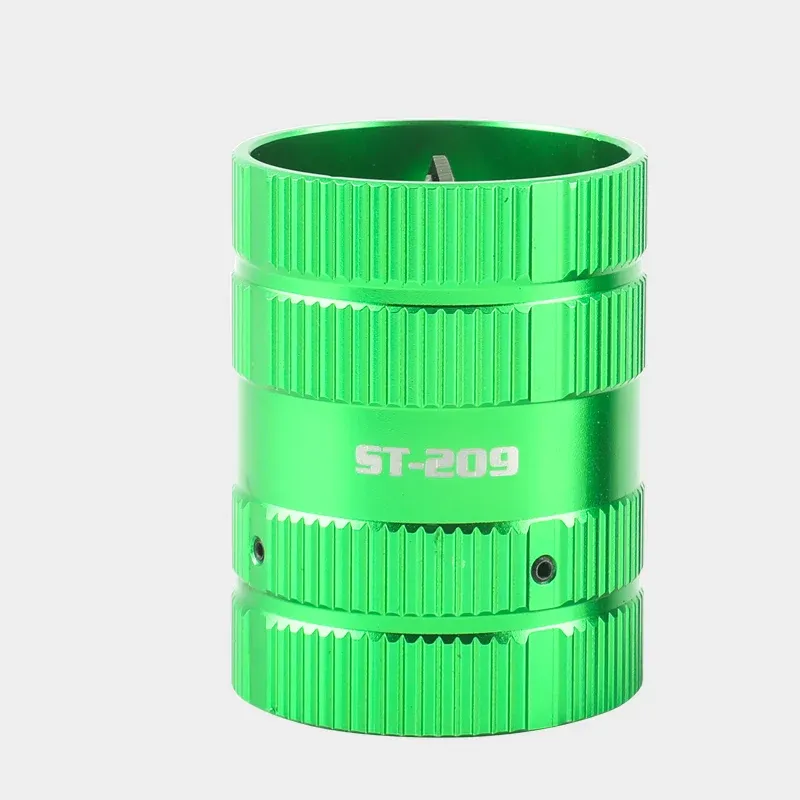
The listing identifies copper as the main material, which usually points to a solid, wear-resistant feel in a hand tool of this type. Copper tools can also have a smoother contact on softer tubing, which is helpful when you want control rather than aggressive cutting.
The product is listed as Origin Mainland China with no high-concern chemical flags, which is reassuring for a workshop accessory. With only three customer reviews, the evidence base is still small, but the perfect rating suggests buyers have not reported obvious problems yet, and that makes a closer look at the practical trade-offs worthwhile.
Where it makes sense, and where it does not
This tool makes sense for installers, repairers, and DIY users who regularly work with copper pipe and want a cleaner finish than a basic hand file can provide. It is less compelling if you rarely cut tubing or if your jobs already use a high-end multi-function deburring station.
The strongest case for it is simple: it turns a messy cut into a fitting-ready edge with minimal effort. If your workflow depends on neat copper prep, the ST-209 is the kind of small accessory that quietly improves every connection that follows.