








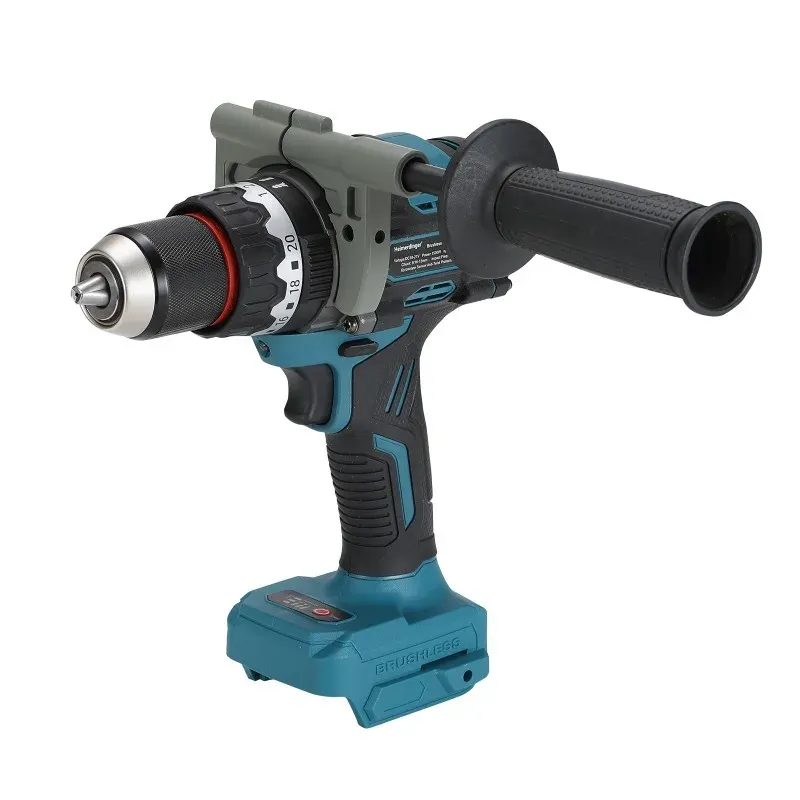
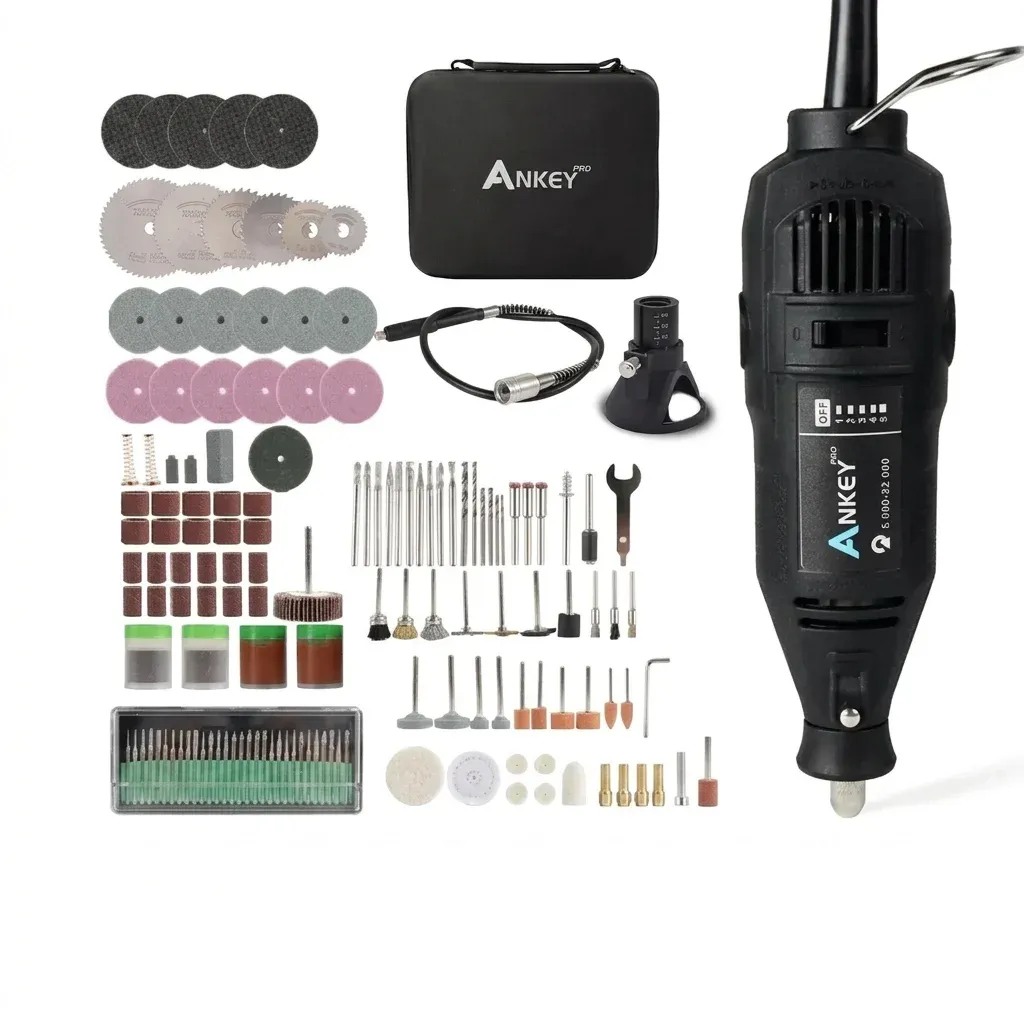

Why this 180W engraver stands out for small workshop jobs
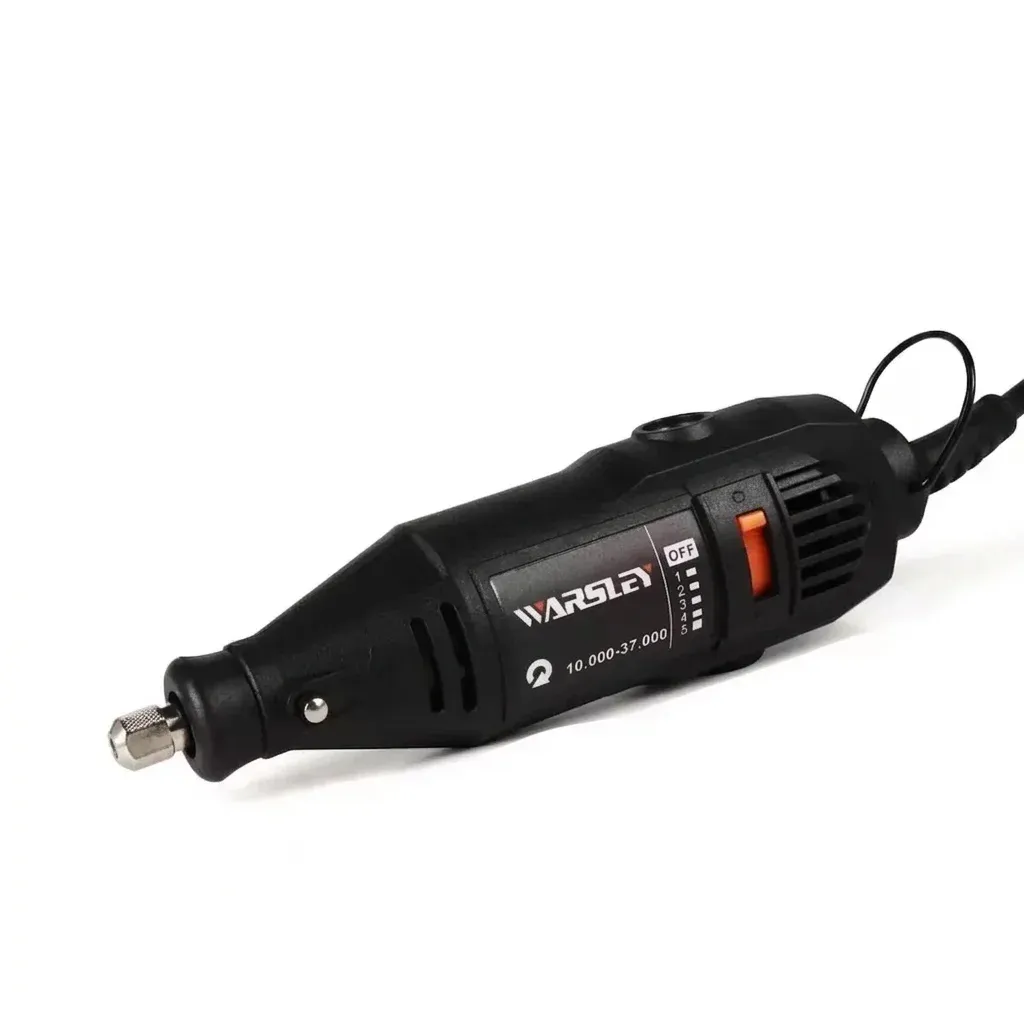
This tool solves a familiar problem: you want one compact machine that can engrave, polish, sharpen, and trim without taking over the bench. With a 180W motor and a 35,000rpm top speed, it is built for detailed work rather than heavy stock removal.
The mains-powered design means you do not have to think about battery fade during longer sessions, which suits repeat jobs on wood, jewellery, and small metal parts. For AliExpress UK readers comparing bench-friendly rotary tools, that steady output is often the real advantage, so how does it behave in hand?
35,000rpm and 180W: what that means in practice
On paper, the headline numbers point to fast bit rotation and enough torque for light-to-medium DIY tasks. In use, that translates to cleaner engraving lines, quicker polishing passes, and more control when working on ceramics or plastic edges.
The variable output range from 1 to 5 gives it a more usable spread than single-speed mini drills, especially when you need to slow down for delicate carving. Users can start gently on soft material and step up for grinding, which helps reduce chatter and heat buildup, but what about the motor itself?
Brushless motor benefits in a budget rotary tool
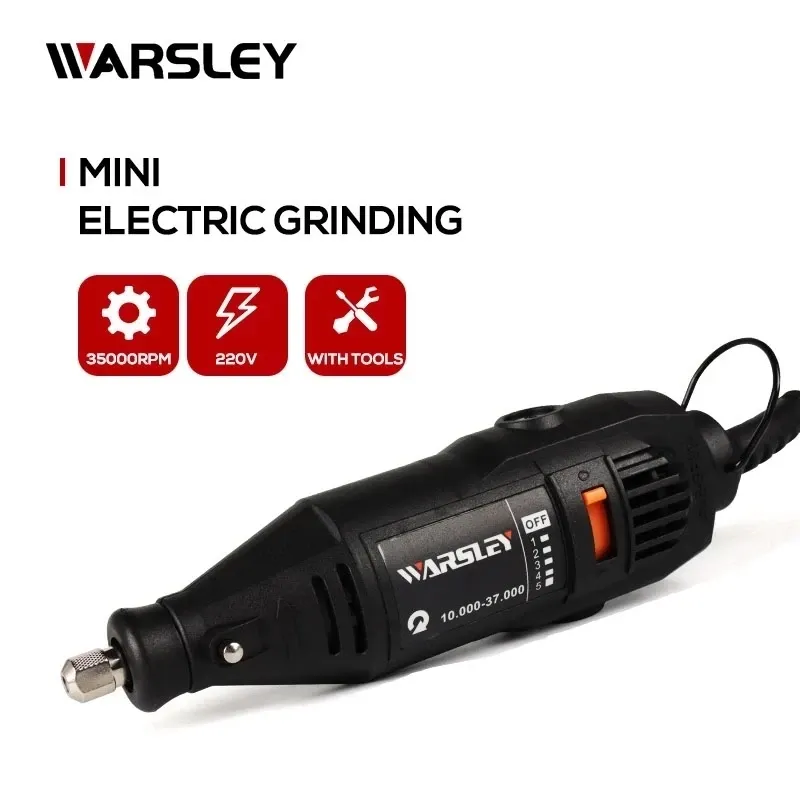
The brushless motor is the most interesting part of the spec sheet because it usually brings smoother running and less maintenance than brushed alternatives. That matters in a small engraver, where vibration and heat can quickly affect control and finish quality.
At around 600g, the tool sits in a practical middle ground: light enough for detailed work, yet substantial enough to feel stable during polishing and carving. That balance is useful if you plan to hold it for longer sessions, and it becomes even more relevant when you look at the accessory range.
What it can handle across wood, metal, ceramic, and plastic
This rotary tool is positioned as a multi-material helper for drilling, polishing, grinding, carving, sharpening, and cutting. For wood, it should suit engraving and edge finishing; for metal, it is better matched to deburring, cleaning, and surface prep than aggressive removal.
Jewellery users will likely appreciate the fine control for small details, while home DIY users can keep it on hand for trimming screws, shaping plastic, or touching up ceramic edges. The included Eu plug and 220V AC setup make it straightforward for standard indoor workshops, and that simplicity has one clear downside.
What to expect before you start
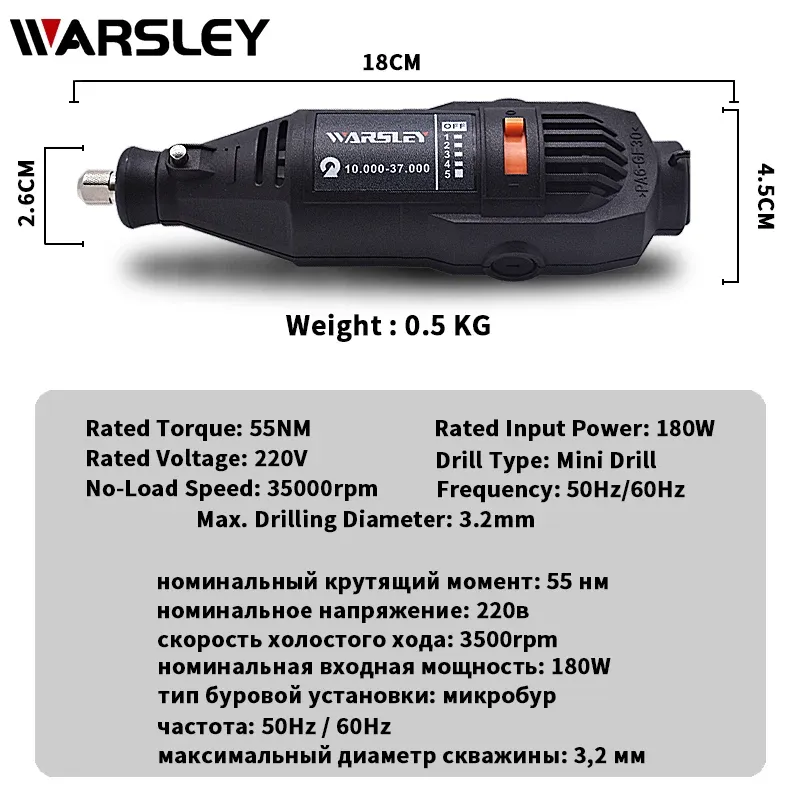
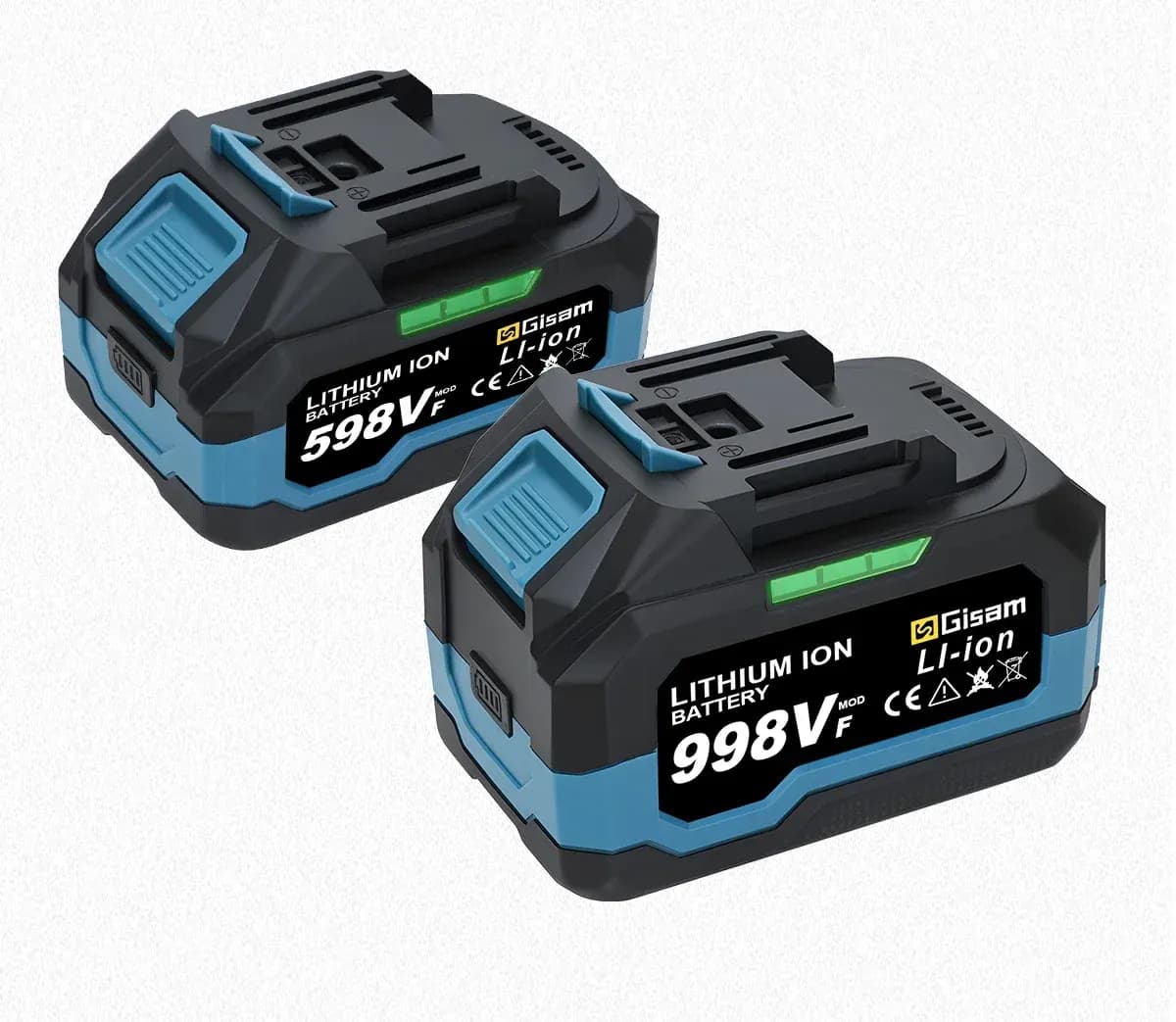
Because there is no battery included, this is not a grab-and-go cordless tool for outdoor repairs or quick car work. It is better understood as a bench or worktable rotary machine that rewards stable power and a tidy setup.
Real customer feedback is limited, but the available reviews are positive and note that everything works properly, which supports the impression of a straightforward, functional tool rather than a feature-heavy kit. The carton packaging suggests practical shipping protection rather than premium presentation, so which users will get the most from it?
Best fit for detail work, not heavy demolition
This model makes the most sense for hobbyists who want a single electric rotary tool for engraving, light grinding, polishing, and finishing tasks. It is less suitable for users expecting cordless convenience or industrial-grade cutting depth, and that is the key buying context.
For the stated £19.39, the spec mix is attractive because it combines a brushless motor, variable speed, and a high no-load ceiling in a compact format. If your projects live in the detail zone, the next question is whether the accessory set and build finish match the motor spec.