










Fast surface correction for rough timber
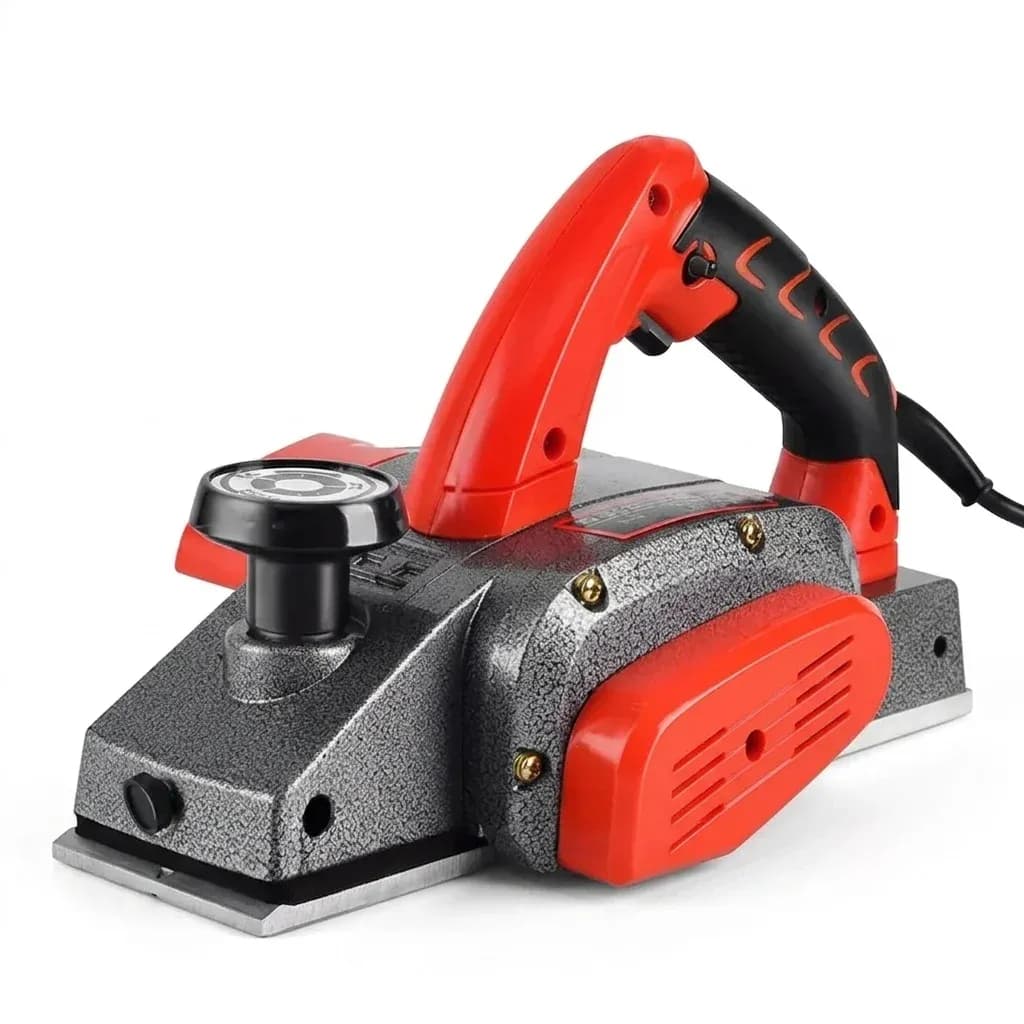
This planer is aimed at one common workshop problem: turning uneven, splintered timber into a flatter, cleaner surface without spending ages sanding. With a 2000W motor and 13,000rpm no-load speed, it is set up for aggressive material removal rather than delicate finishing.
That makes it a practical match for door edges, bench tops, and reclaimed boards that need quick correction before the final pass. If you want a tool that changes the feel of raw wood in a few strokes, this format makes sense, so how does that power translate in use?
2000W and 13,000rpm: what the numbers mean on wood
The rated input power is high for a handheld planer in this class, which usually means steadier cutting when the grain gets stubborn. In practice, that should help the blade keep moving through denser sections without the tool feeling as if it is dragging.
The 13,000rpm figure points to a cleaner shaving action and less tearing on softer woods when the feed rate is controlled. Compared with smaller DIY planers, this kind of speed is better suited to users who want visible progress on each pass, not just a light surface kiss.
Best suited to home DIY, not cabinet-shop finesse
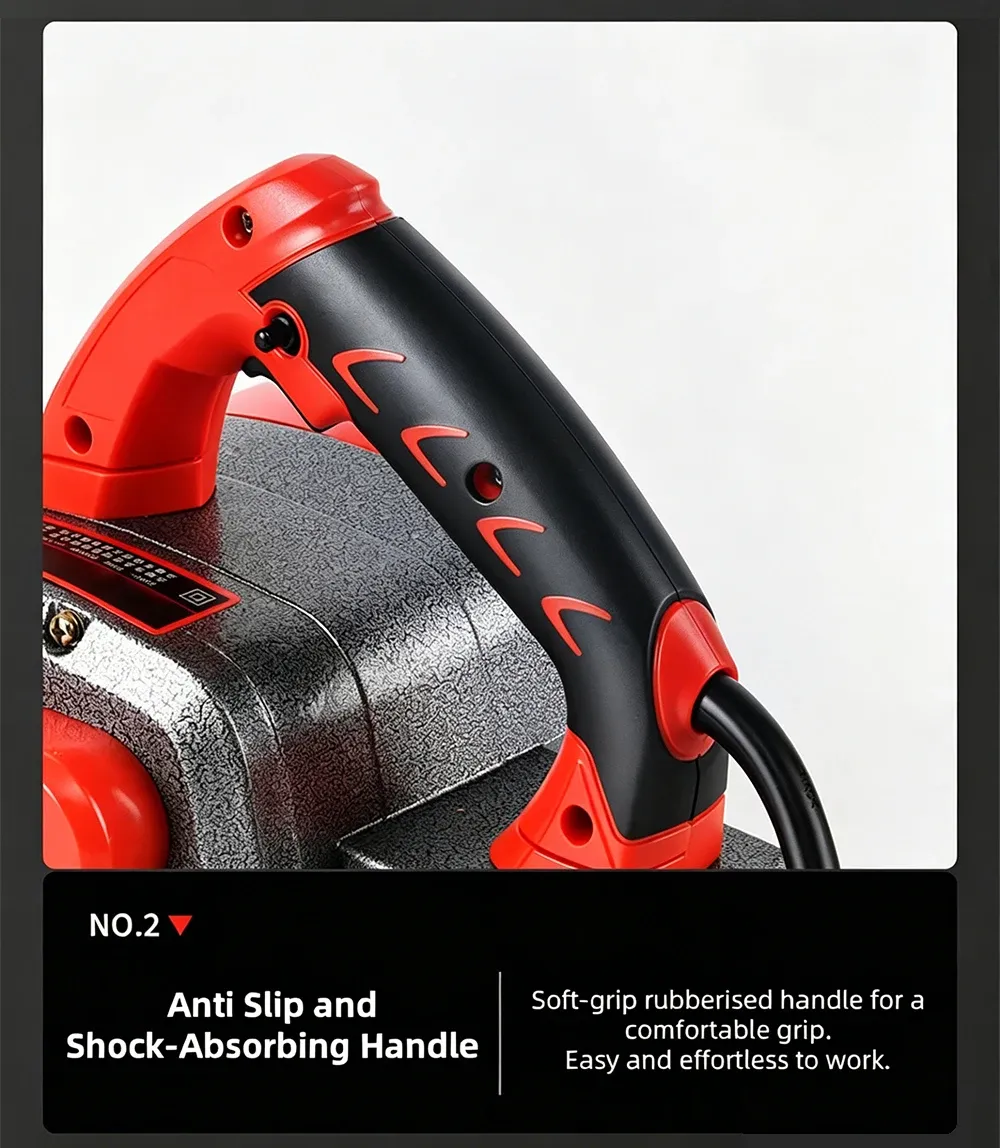
The product is clearly aimed at home DIY, and that matters because expectations should stay realistic. It is the sort of planer you would reach for when fitting a swollen door, easing sharp edges, or flattening a board before assembly, rather than when chasing ultra-fine furniture tolerances.
Users looking for a lighter trim-only tool may find this model more forceful than necessary, while anyone dealing with rough lumber will likely appreciate the extra headroom. According to the single available customer review, satisfaction is strong, but the real story here is the spec sheet and how it aligns with everyday workshop jobs.
AC mains power keeps the work rhythm steady
Because it runs from 220V AC at 50Hz, the planer avoids battery fade and keeps a consistent feel during longer sessions. That is useful on longer boards, where stopping to recharge can interrupt the rhythm and leave the surface less even.
The trade-off is simple: you gain endurance and constant output, but you need a nearby socket and a work area that suits corded tools. For fixed workshop use, that is usually a fair exchange, especially when the job involves repeated passes across multiple pieces.
What the build suggests about value
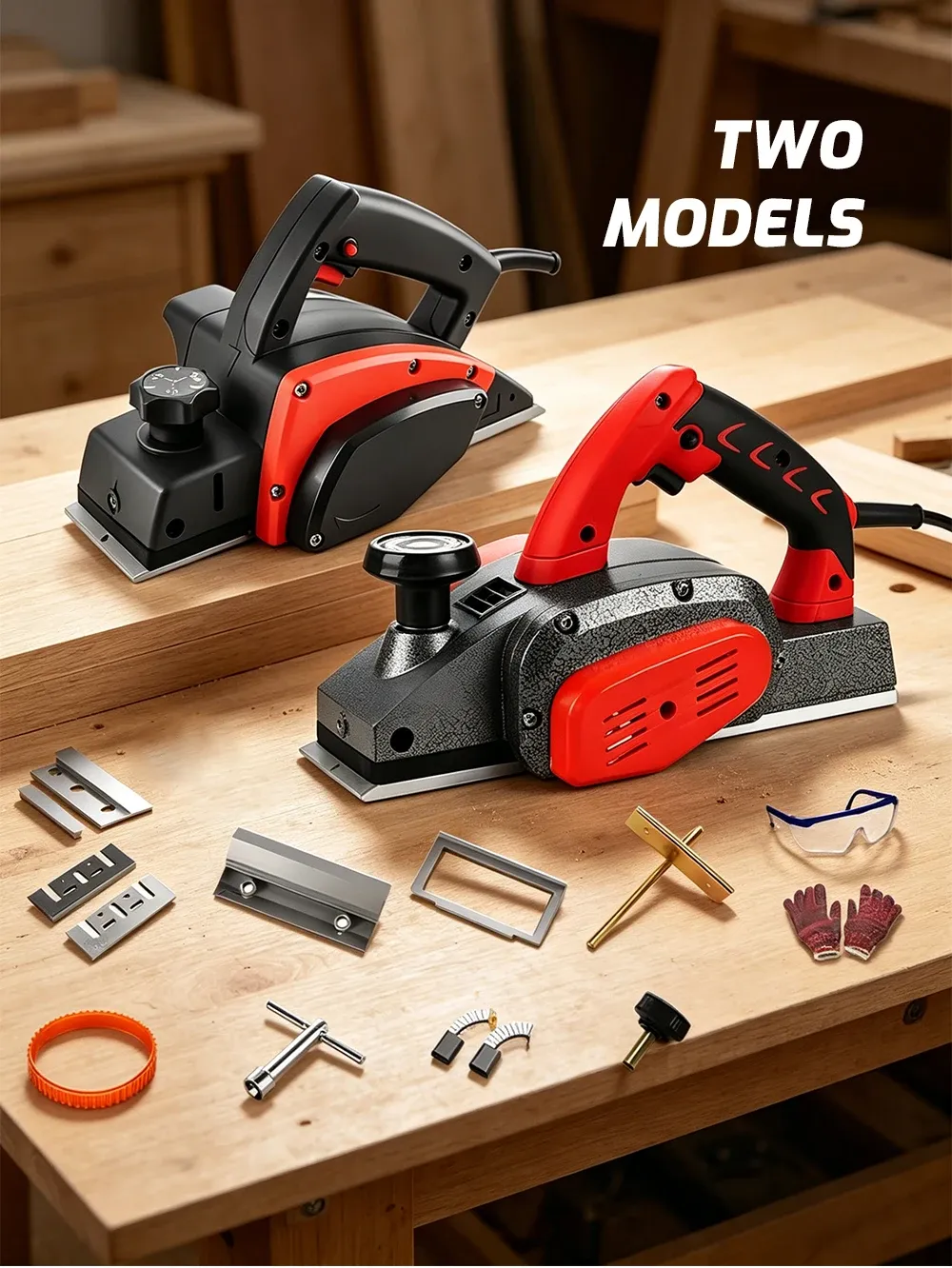
At £37.19, this planer sits in a value-focused corner of the AliExpress UK hand tool range, where power and basic capability matter more than premium finishing features. The fact that it is listed as a customised model suggests the seller may support variant-specific setup, which can matter for buyers comparing similar corded planers.
There are no accessory claims or marketing extras to distract from the core proposition, and that can be a good sign for straightforward tools. If you already own dust extraction, clamps, and a sanding block, this kind of planer fills the heavy-lifting step before refinement begins, so what should buyers watch for?
What to check before adding it to the cart
The main limitation is that no cutting width, depth adjustment range, or blade details are provided in the listing, which makes it harder to judge precision. Buyers who need exact shaving control for fine joinery should confirm those figures before relying on it for regular finishing work.
It is also worth checking whether the plug, cord length, and spare blade availability suit your setup, since those details affect day-to-day usability more than headline wattage. For rough timber, door trimming, and general home workshop smoothing, though, the spec combination points to a capable and direct tool.