









Built for controlled entry, not just basic door holding
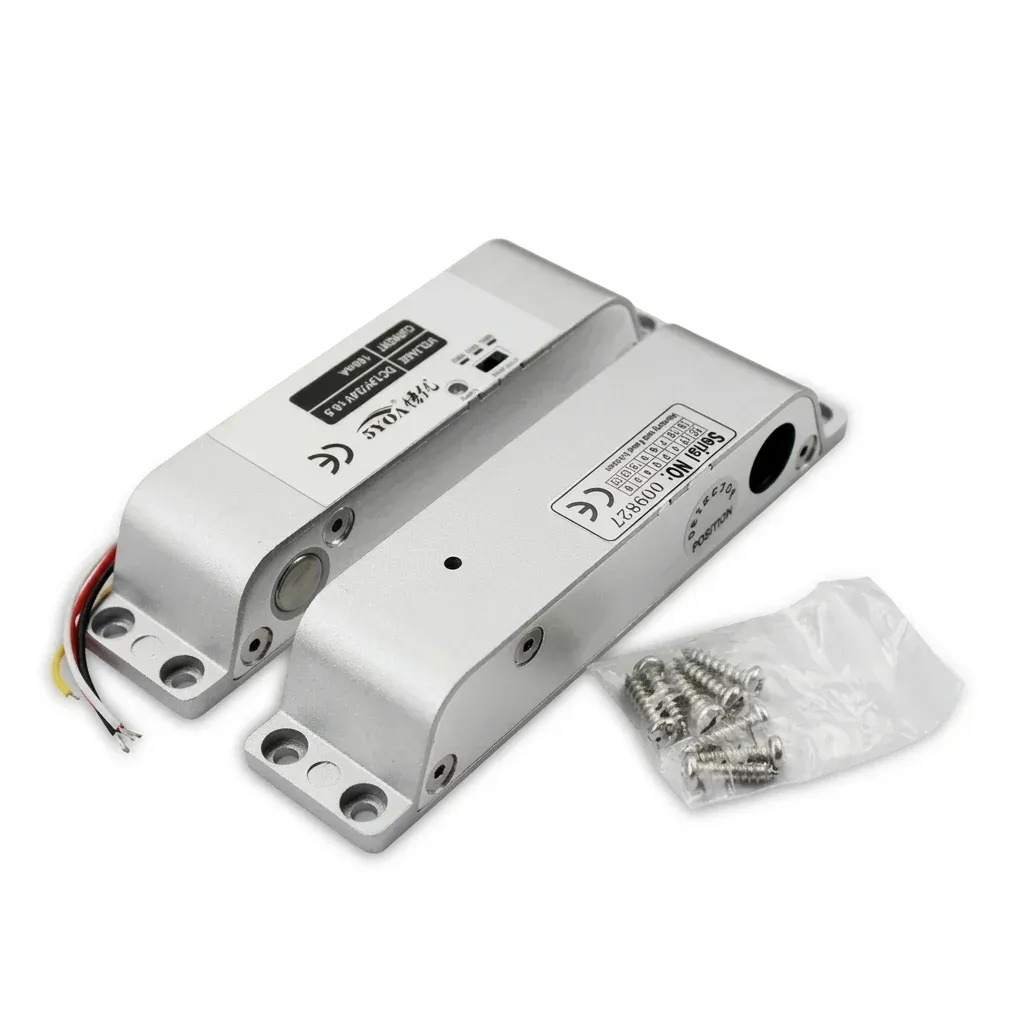
This 5YOA lock solves a common access-control problem: keeping a door secured while still allowing a clean, timed release when a system sends power. In practice, that makes it more useful than a simple mechanical latch for offices, storage rooms, and controlled indoor entrances.
5YOA has a solid reputation in the AliExpress UK niche for practical access-control hardware that focuses on core function rather than flashy extras. That usually means straightforward wiring, sensible specifications, and CE-marked products that fit real installation jobs, so the question becomes how well this model handles daily use.
Fail-safe behaviour that suits emergency-aware installations
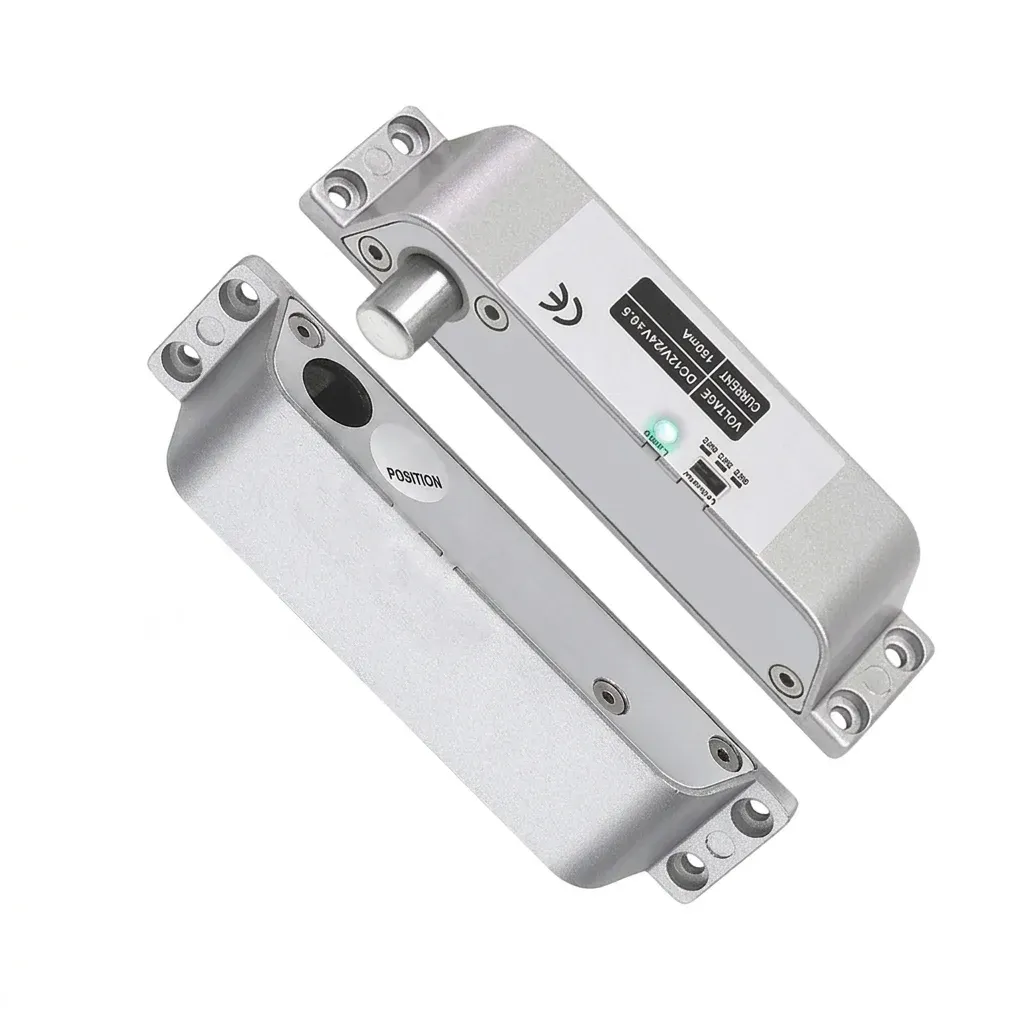
The fail-safe NC design is the main reason to consider it: the lock stays engaged when powered and releases when power is cut. That matters in systems where power loss should not trap people inside, which is why it is better suited to many internal access points than fail-secure hardware.
According to users, the lock is useful rather than complicated, which matches the product’s simple operating logic. If you are replacing a basic electric strike or upgrading a timed access point, the fail-safe mode gives you a clearer path to predictable behaviour during outages.
0, 3, or 6 seconds: why the delay matters

The adjustable delay is small on paper but important in use, because it lets the door stay released long enough for people to pass without forcing the controller to hold power for too long. A 0-second setting suits instant release, while 3 or 6 seconds helps where door closers or heavier panels need a little more time.
That flexibility makes the HM150M easier to match with different access-control panels and entry habits. If you have ever dealt with a lock that opens too briefly to be practical, this delay range is the detail that changes the installation experience.
Aluminium alloy body and compact dimensions
The aluminium alloy construction should help the lock feel rigid and resist the light wear that comes with repeated daily cycling. At 150 × 34 × 28 mm, it is compact enough for many door frames, and the smaller body makes it easier to position on wooden or metal doors without dominating the hardware layout.
The startup current of 1.2A is the main electrical spike to plan for, while the 0.25A operating draw is modest once the system is running. That split is useful for installers because it tells you the power supply needs to handle the initial pull, not just the steady state.
Where it fits best in a real access-control setup

This lock makes the most sense on low-traffic controlled doors where reliability and simple behaviour matter more than advanced app control. It is a better match for access panels, intercom-linked entries, and cabinet-style security points than for exposed outdoor gates that need weatherproof housings.
Because there are no extra smart features to configure, installation stays focused on voltage, timing, and fail-safe logic. If you want a no-nonsense electromechanical lock that does one job clearly, that simplicity is the strongest part of the design, and the next question is whether the trade-offs are acceptable.
What the small review sample suggests
The current feedback is limited, but the average rating of 4.8 from four reviews points to early satisfaction rather than scattered complaints. The comments are brief, yet they support the idea that the lock is functional and useful when matched to the right access-control system.
That limited sample is not enough to claim long-term durability, so the safer read is that the product looks promising for budget installations rather than heavy-duty commercial abuse. For a low-cost DC12V drop bolt, that is a reasonable starting point, especially if you value simple operation over feature depth.