









A compact reader that removes the guesswork from card handling
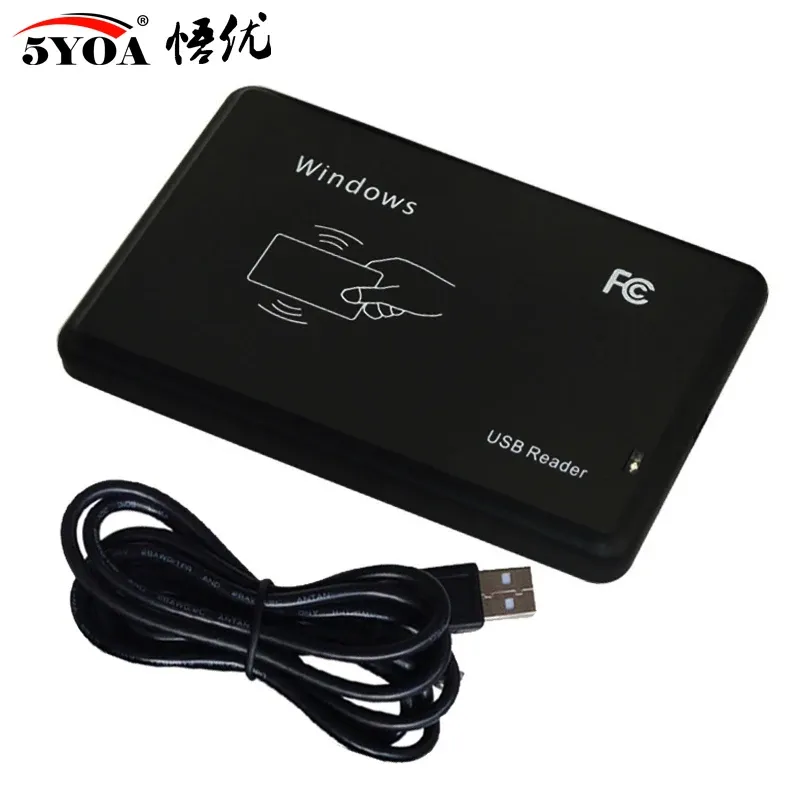
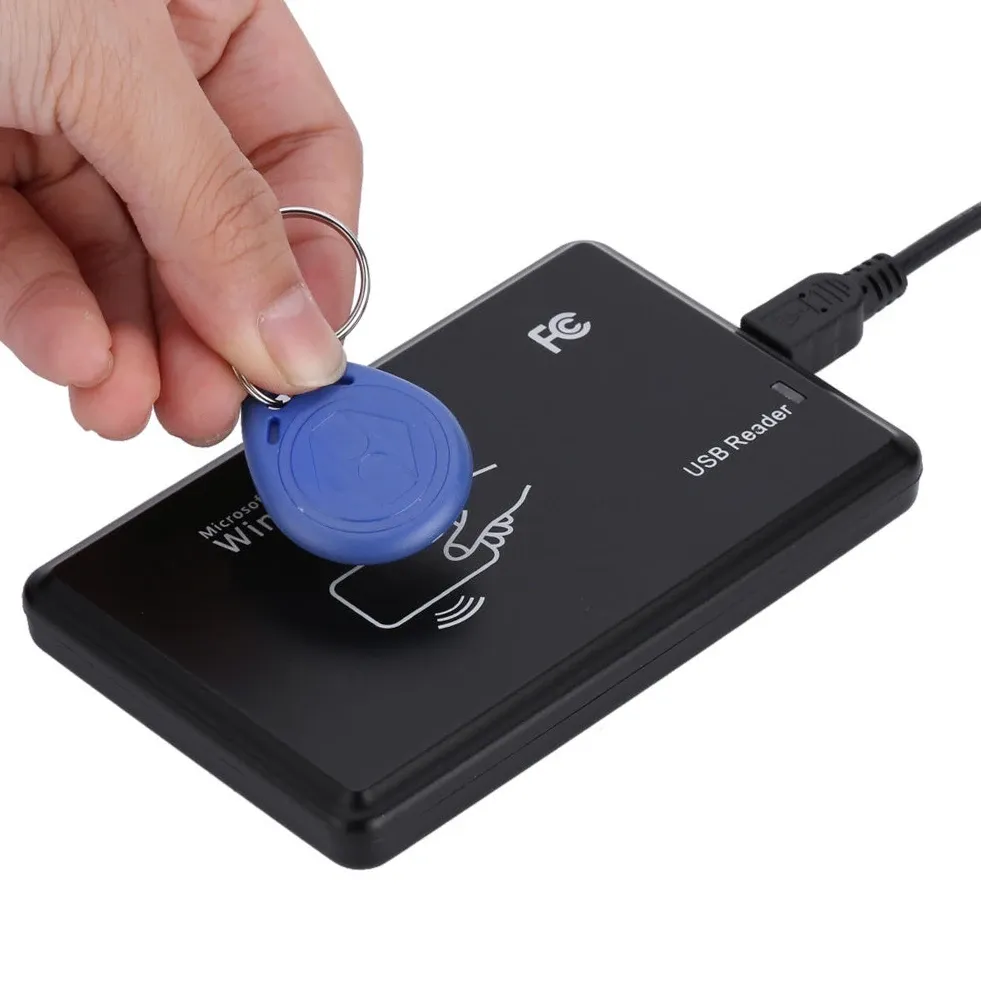
This 5YOA reader solves a simple problem: getting an RFID or IC card number into a computer without extra software or a bulky control panel. It behaves like a keyboard, so the card ID appears directly in Notepad, Excel, or any text field, which makes it useful for quick access-control checks and tag registration.
5YOA has built a solid reputation in the AliExpress UK smart-lock niche by focusing on practical, low-friction tools rather than flashy extras. The brand’s appeal is consistency: compact hardware, clear USB operation, and products that fit real access-control workflows instead of forcing users into a complicated setup.
125KHz and 13.56MHz support in one small body
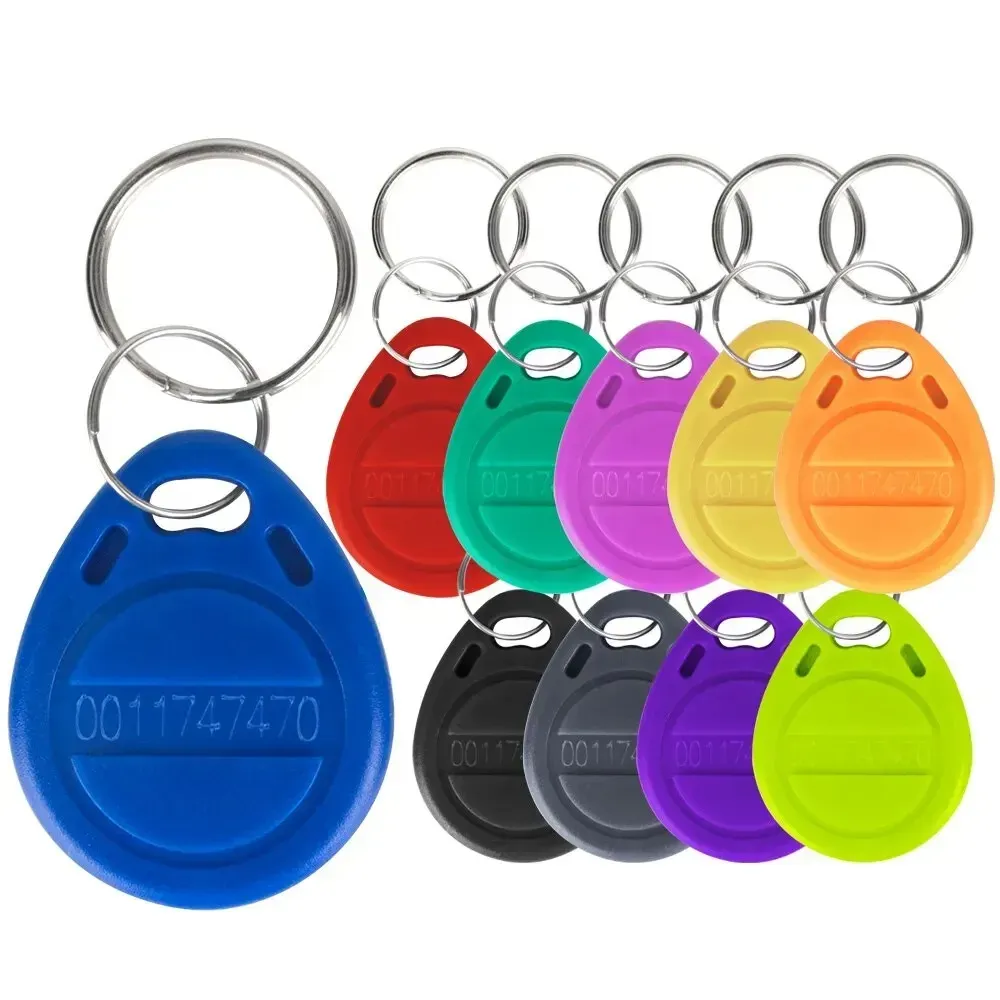
The main advantage here is dual-frequency compatibility, covering common 125KHz ID tags and 13.56MHz IC cards in a single unit. That matters if you manage mixed card stock, because you can test or log both legacy proximity cards and newer MIFARE-style badges without changing readers.
For everyday use, the 0.2-second read speed and 0-80mm reading distance make the interaction feel immediate, with a short beep and LED change confirming the scan. In practice, that is quick enough for desk testing, reception counters, or small access-control benches where you want the card number to appear almost as soon as it touches the reader’s field.
USB keyboard output makes setup unusually simple

The reader’s strongest feature is its USB HID-style behavior, which means most users will not need drivers or special software. According to user feedback, it works like a keyboard and inserts the card number straight into a document, which is exactly what you want when enrolling cards or checking tag IDs.
This also makes it easier to compare with software-heavy programmers, which can be overkill for basic identification tasks. If your workflow is mostly reading rather than rewriting, this format is faster, less fragile, and easier to hand to non-technical staff, though the default output length may need attention if you expect the full identifier every time.
Best fit for access-control desks, not full programming labs
The product is aimed at entry-level access control, hotel lock management, and utility-meter card handling, where reliability matters more than advanced configuration. Its 9.8 x 6.3 x 1 cm footprint keeps the desk tidy, and the included USB cable means you can get it working with minimal clutter.
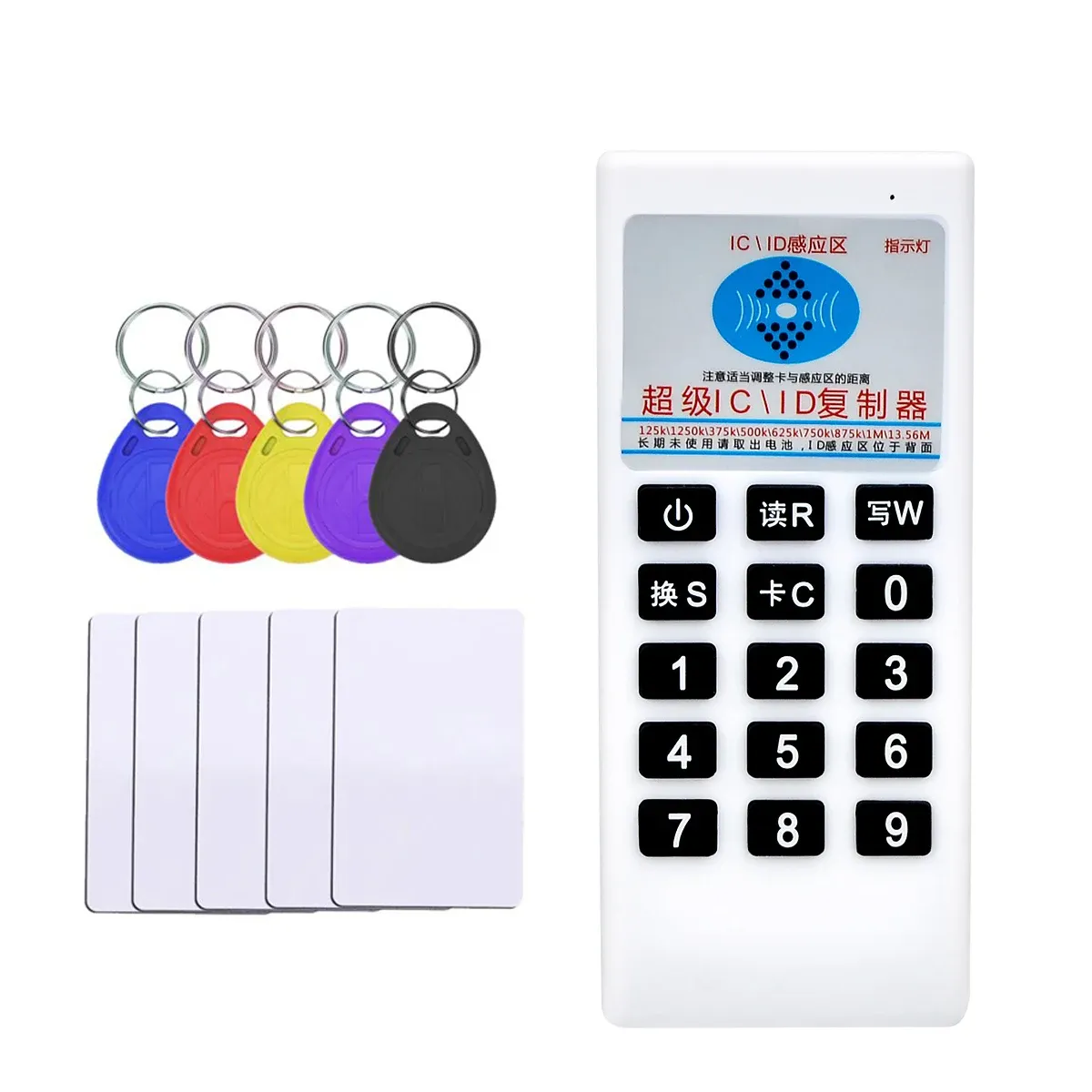
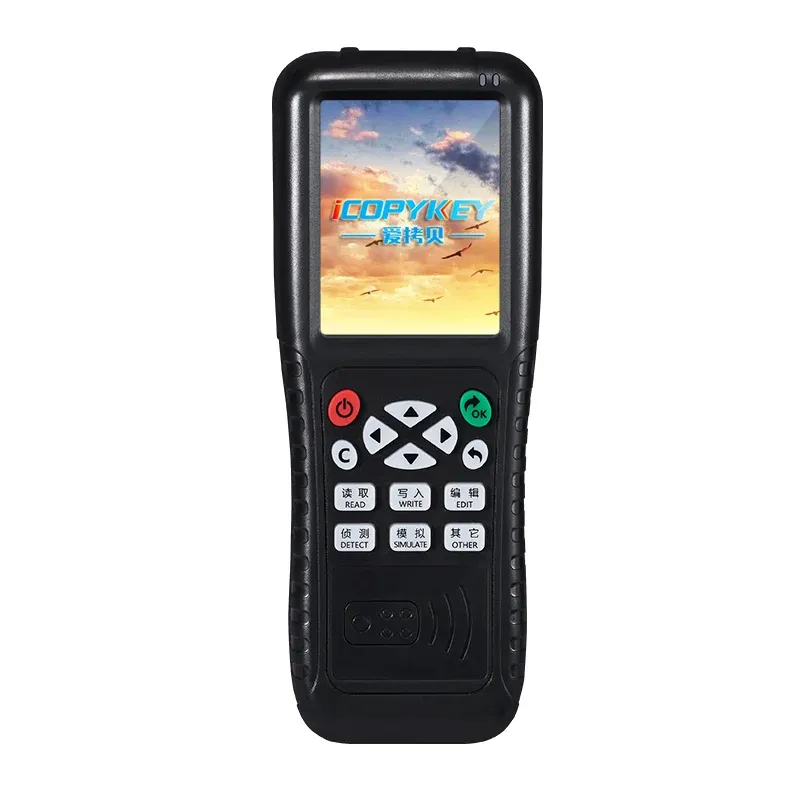
It is worth noting that the listing describes it as an encrypted programmer reader, yet the practical experience is closer to a fast read-and-output tool than a deep cloning station. That distinction matters: it is a strong match for card ID capture and verification, but users looking for advanced write functions should compare it with a dedicated programmer before choosing.
What the review data suggests

Real customer feedback is broadly positive, with a 4.7/5 average from 55 reviews and a 93% positive rate. Users repeatedly mention simple operation, fast delivery, and the fact that it behaves like a keyboard, while one negative report shows that compatibility still depends on the exact card type.
That pattern is useful because it tells you where the product is strong and where it is not. If your tags fall within the supported 125KHz EM4100/TK4001 or 13.56MHz 14443A family, it looks dependable; if you need support for a specific proximity standard, checking the card family first saves time.
Small reader, clear job description
For a low-cost USB RFID reader, this model delivers the core job well: read the card, send the number, and keep the workflow moving. It is the kind of compact accessory that earns its place beside a smart-lock toolkit because it speeds up testing without adding complexity, so what matters most is whether your cards match its supported formats.