








Simple access control without the bulky hardware
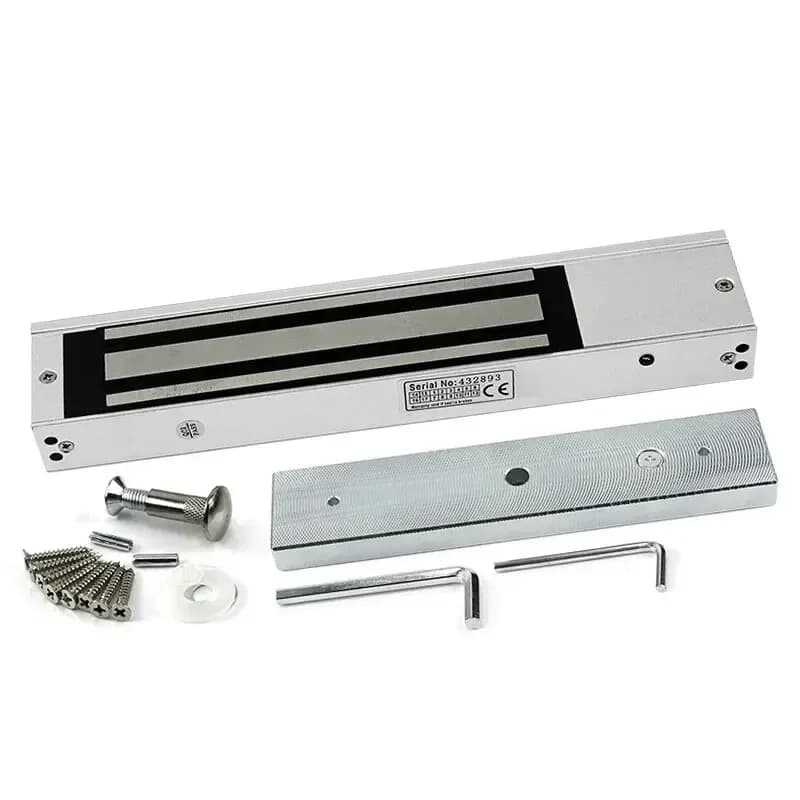
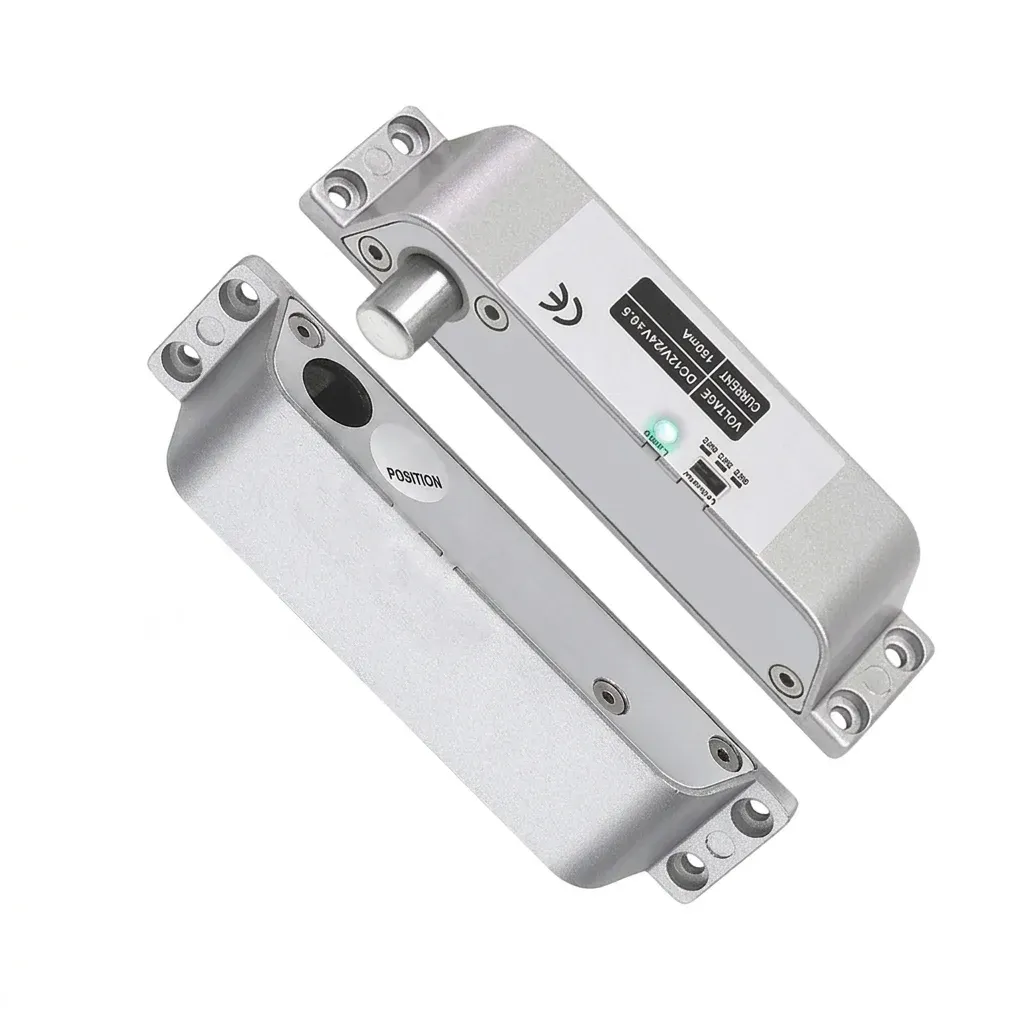
The 5YOA magnetic lock solves a common problem in AliExpress UK setups: how to secure a door or gate without fitting a large mechanical latch. It uses electromagnetic holding force, so the lock action feels clean and immediate rather than noisy or spring-loaded.
That makes it a practical choice for basic access control projects where space is tight and wiring needs to stay straightforward. If you are comparing it with a conventional strike lock, the appeal is the smoother closure and the lack of moving parts that can wear unevenly.
Why 5YOA has a solid reputation in this niche
5YOA is known for focused security accessories rather than broad, generic catalog items, which usually helps with consistency in the AliExpress space. The brand tends to target installers and DIY users who want functional hardware that matches the job instead of oversized feature sets.
That approach matters here because electromagnetic locks are judged on reliability more than appearance. The clean product positioning and the strong user feedback pattern suggest a dependable entry-level option, which is worth noting before you decide how it fits your system.
What electromagnetic holding force changes in daily use

In practice, the holding force is what keeps the door or gate seated firmly once power is applied. Users should think of this as a controlled security barrier rather than a heavy-duty industrial clamp, which is why the right installation and correct force matching are so important.
One reviewer noted that the door closes perfectly with high security, but also reminded buyers to check the kilograms of pressure needed before ordering. That is the key detail here: the lock can perform well, yet it still needs to be matched to the weight, alignment, and frame quality of the door it serves.
Best fit: gates, light doors, and access panels
This model suits access control systems where a compact electromagnetic solution is more useful than a full mechanical lockset. It is especially relevant for gates, internal security doors, and controlled-entry points that open and close frequently.
Because it is described as an electric gate opener as well as a magnetic lock, it gives installers some flexibility in layout. If your project already uses a controller, reader, or relay, this type of lock is easier to integrate than a standalone mechanical unit, so the next question is power.
Power and installation: the two points that decide success
One user comment mentioned that a high-power adapter would have been helpful, which is a useful clue for buyers planning a full setup. Electromagnetic locks are only as good as their power supply and mounting alignment, so a weak adapter can undermine the holding performance even when the hardware itself is fine.

The other practical issue is installation quality. If the contact faces do not meet squarely, the magnetic bond loses efficiency, so this is not the kind of lock that rewards rough fitting; it rewards careful alignment and a tidy wiring job.
What stands out from the review pattern
The current feedback is small but very strong, with a 5/5 average and users describing the product as working as expected. One review did mention that the instructions were not very helpful, which is a fair warning for first-time installers.
That means the lock looks strongest for people who already understand access control basics or who are comfortable following a wiring diagram. For everyone else, the hardware seems promising, but the installation phase will decide how well it performs in real use.
- Electromagnetic holding force for controlled entry
- Suitable for doors, gates, and access control systems
- Compact hardware with a simple mechanical footprint
- Works well where frequent opening and closing is needed
- Compatible with DIY and installer-led security projects
- Low-cost entry point for access control upgrades