







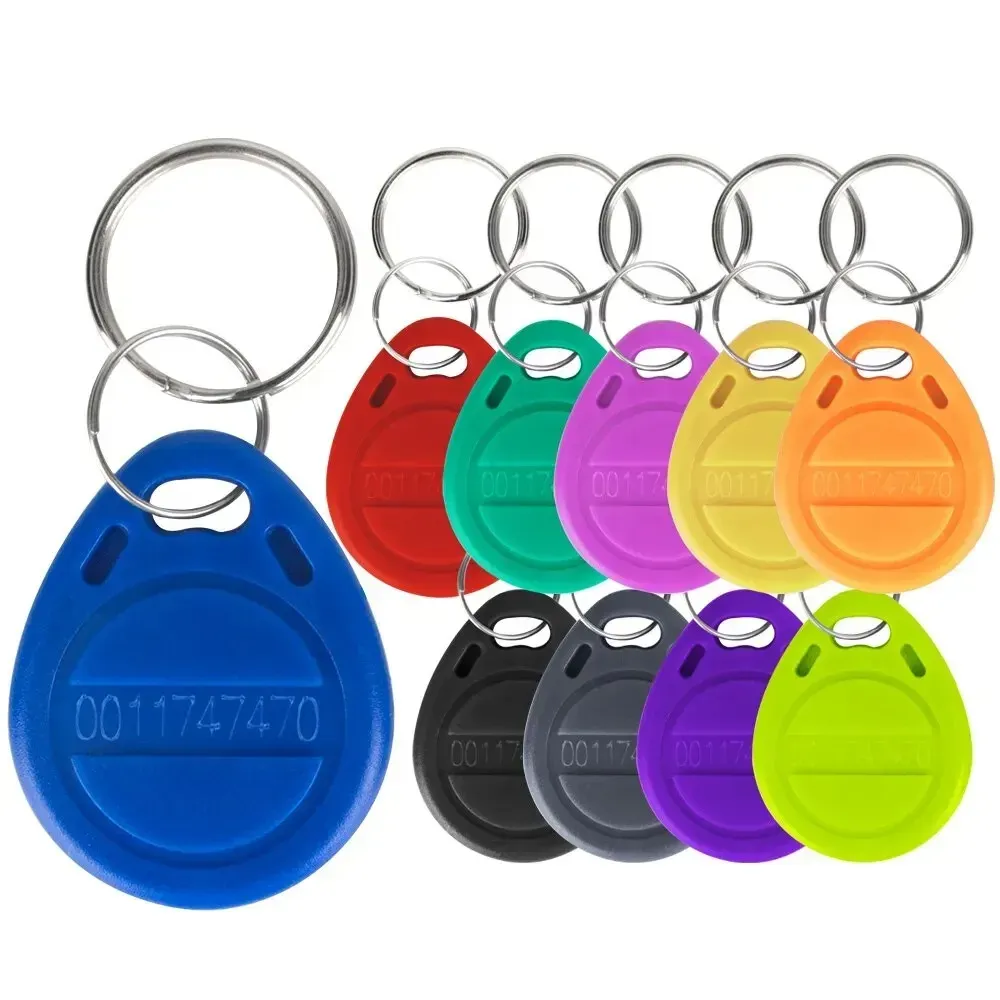
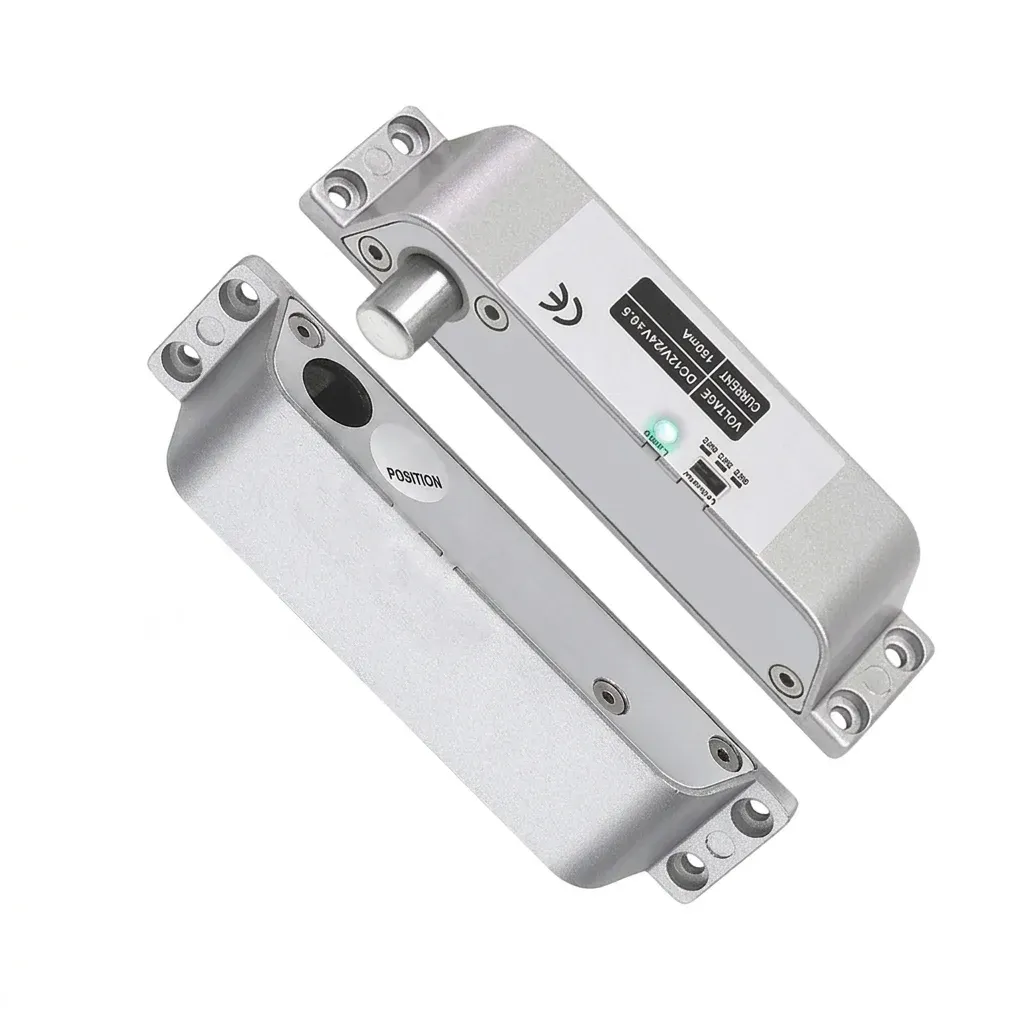
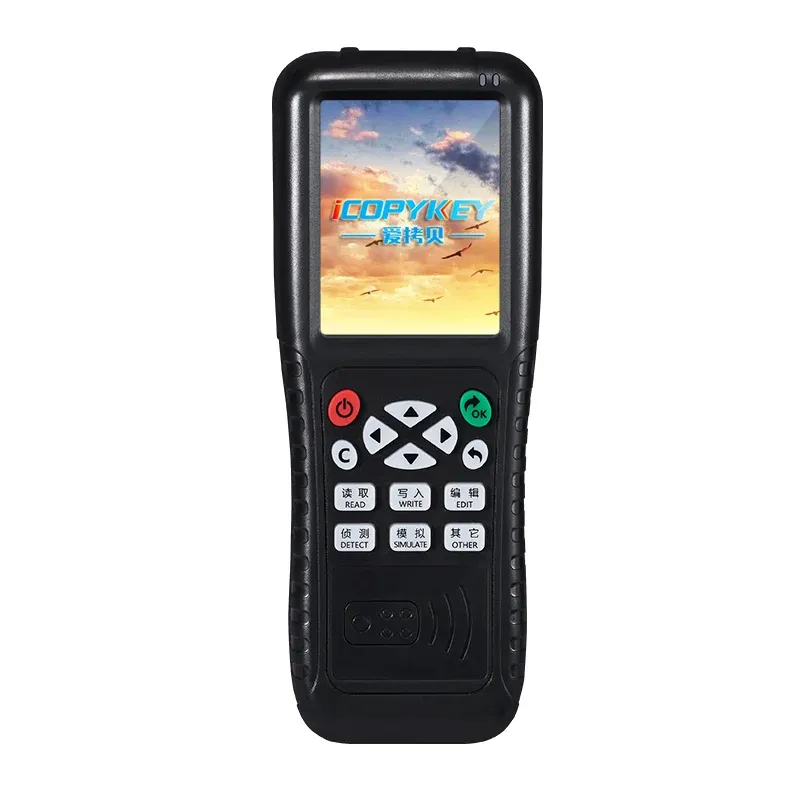
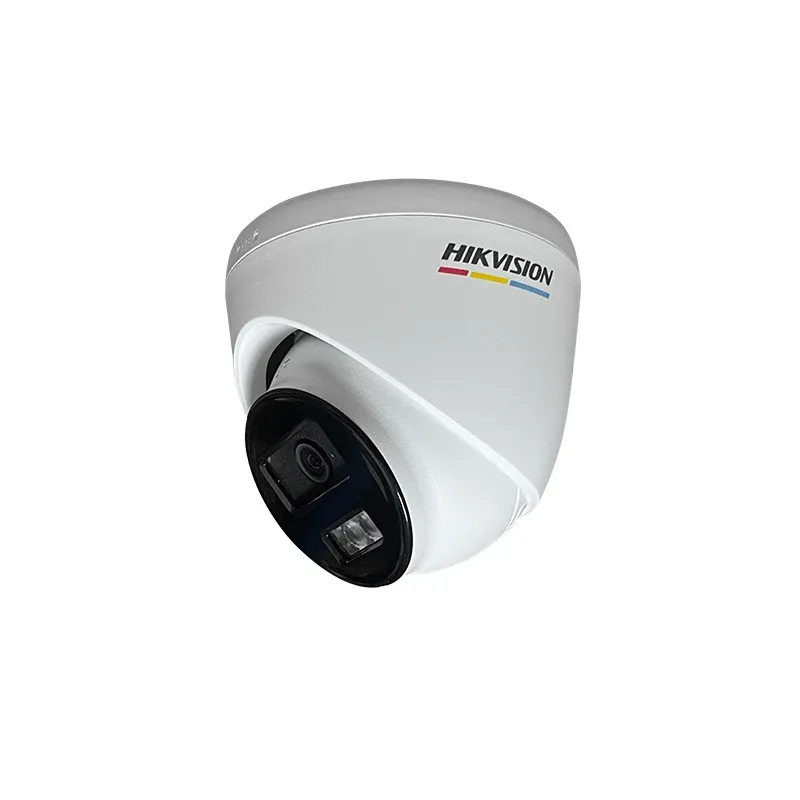

Compact access control without mechanical wear
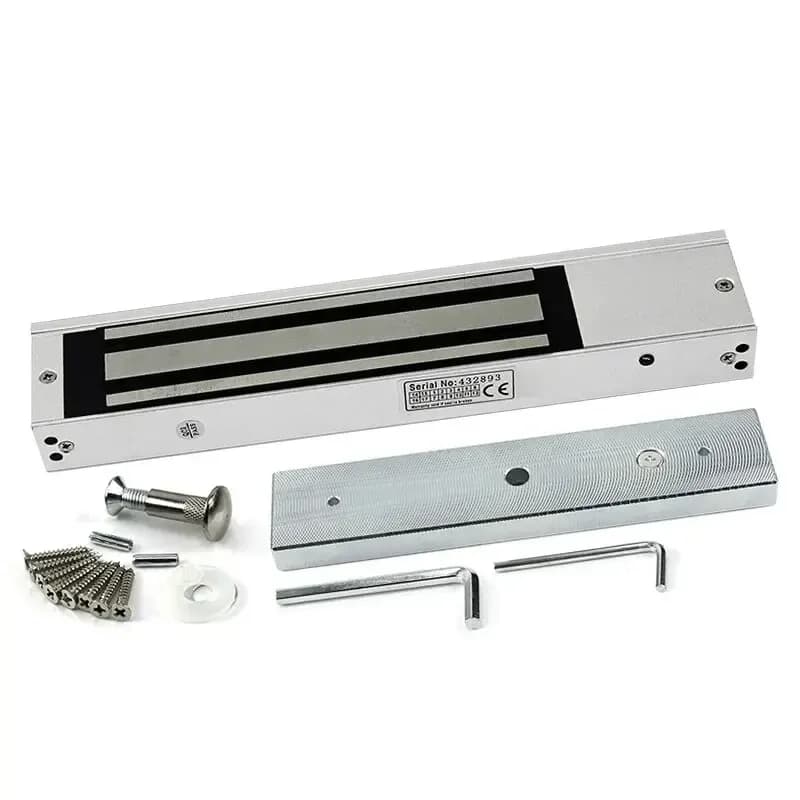
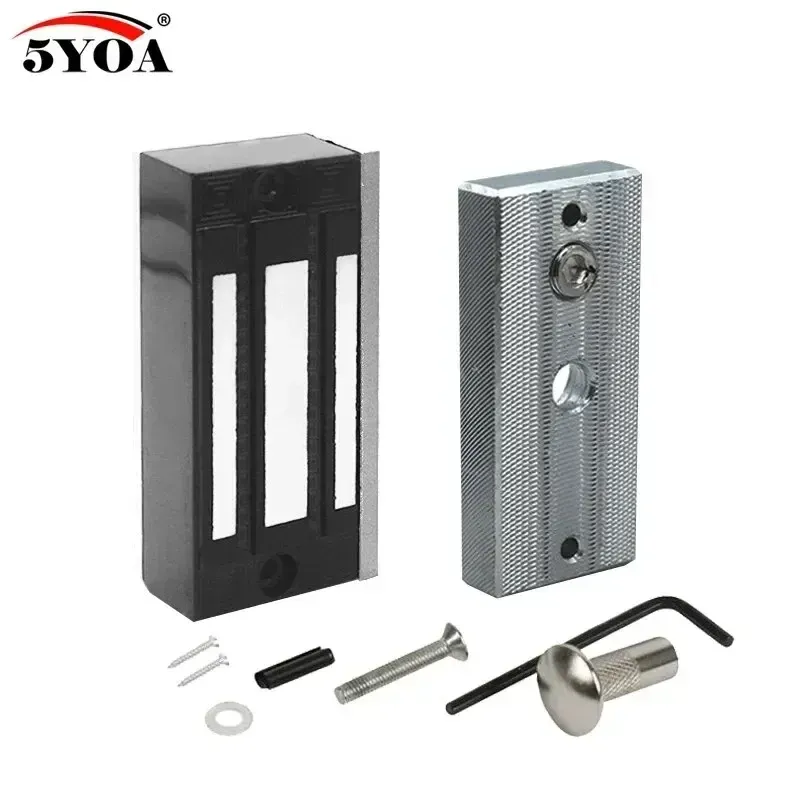
This 5YOA magnetic lock solves a simple problem: keeping a door or gate secured without a latch that can stick, rattle, or wear down over time. Because it uses electromagnetic holding force, the contact is smooth and quiet, which is useful on entry points that see repeated daily use.
5YOA has built a recognisable niche on AliExpress around access-control hardware that is straightforward rather than overcomplicated, and that is the right fit for this kind of product. The brand’s appeal is consistency in low-friction security accessories, where users care more about dependable operation than flashy extras, so the real question is how well this unit translates that approach into practice?
What electromagnetic holding force changes in daily use
The key advantage of a magnetic lock is the way it holds the door shut with steady pressure instead of a spring or latch mechanism. In practice, that means fewer moving parts to misalign, and a cleaner feel when the system is integrated into an access-control setup.
According to users, the lock closes the door securely and feels solid, which is exactly what you want from an entry-point magnet. One useful detail from the feedback is the reminder to match the holding force to the door weight and traffic level, because a magnet that is too weak will disappoint even if the build quality is fine.
Best suited to controlled entry points, not casual DIY doors
This model makes the most sense on gates, office-style access points, cabinets with electronic release, or other installations where the lock is part of a wider control system. It is less of a decorative smart-home gadget and more of a practical security component, so the benefit is in the function rather than the finish.
If you are comparing it with a drop bolt or a traditional strike lock, the magnetic option is usually easier on the mechanism and quieter in operation. That can matter in shared spaces or repeated-access environments, and it becomes even more relevant when you consider the power supply and installation planning behind it.
Installation depends on the rest of the system
The product description points to access-control use, which means the lock should be treated as one part of a complete setup rather than a standalone solution. The Korean review note about including a higher-power adapter is useful here, because electromagnetic locks are only as stable as the power feeding them.

That makes this a smart choice for users who already understand wiring, controllers, and release logic. If you are building a new system from scratch, the lock’s value comes from pairing it with the right adapter, controller, and mounting hardware, so the next step is checking whether your setup can support that load.
Real-world feedback and value at this level
The small review sample is strongly positive, with users describing solid construction, secure closing, and fast delivery. That kind of feedback does not prove long-term durability, but it does suggest the product is meeting basic expectations for fit, hold, and finish at this entry-level access-control tier.
At £9.79, the value is in the low-cost way it lets you experiment with magnetic access control without moving into premium hardware. For AliExpress UK shoppers comparing compact security components, that makes it an interesting starting point, especially if your next decision is which power and control parts to match with it.