








Fail-safe locking that suits controlled entry points
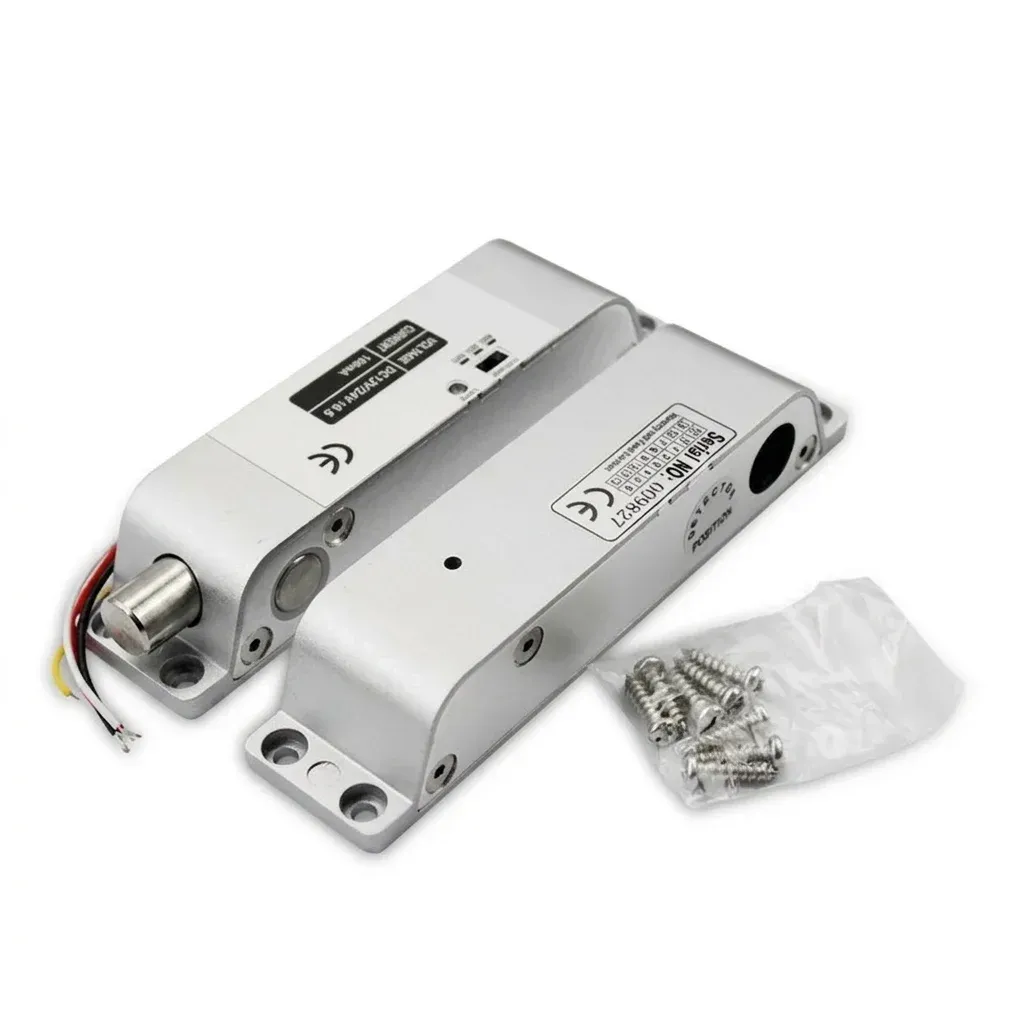
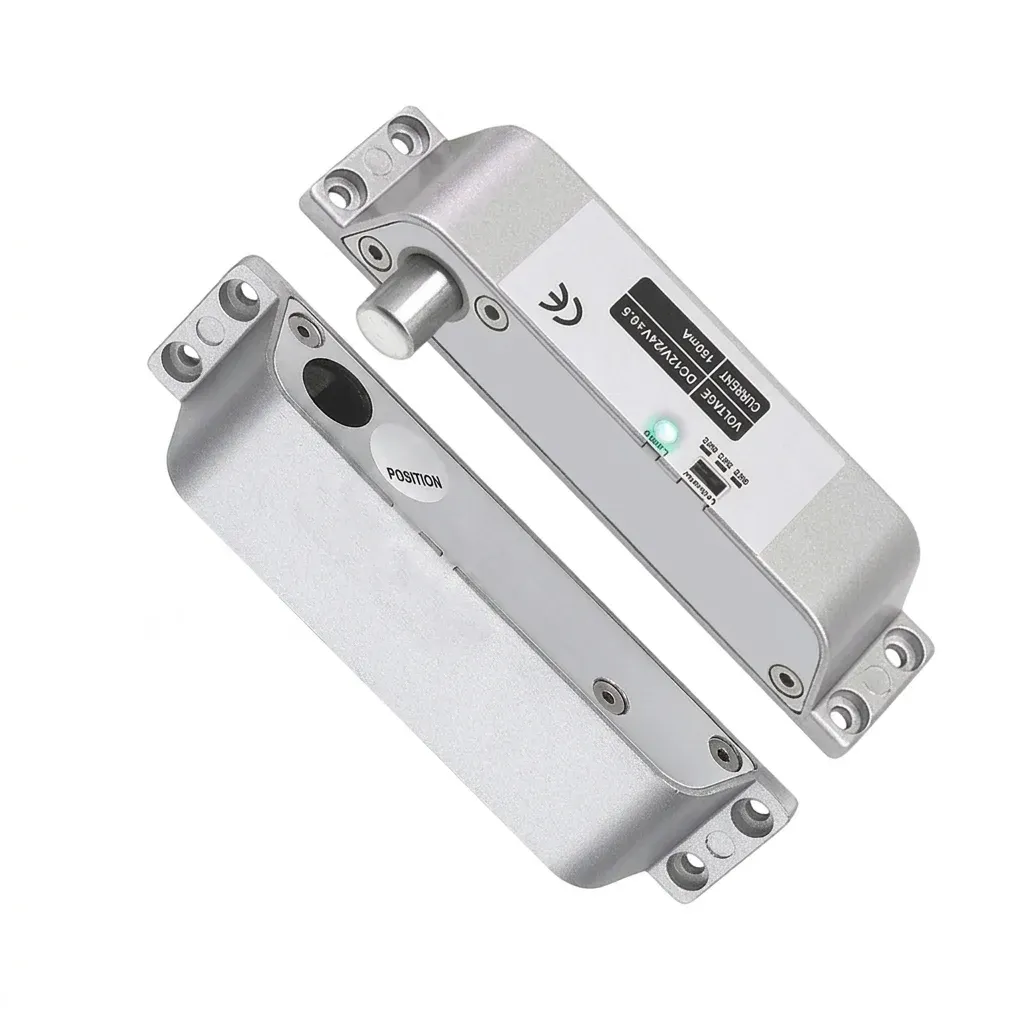
This drop bolt lock solves a common access-control problem: keeping a gate or door secured without relying on a mechanically complex latch. Its NC fail-safe design means the bolt stays locked while powered and releases when power is removed, which is useful for systems that need a predictable emergency release path.
That operating logic makes it a better fit for controlled entry points than a simple household bolt, especially where the lock must work with a controller, timer, or intercom panel. If you are planning a gate entry system, the next question is how well it handles installation and daily use.
What the 0, 3, and 6 second delay changes in practice
The adjustable delay is the most practical feature here because it gives the door a short hold time before the bolt fully engages or releases. In real use, that can reduce abrupt closing behaviour and make the lock feel better matched to access-control workflows rather than basic on-off switching.
For installers, the delay settings can help when the gate is paired with a keypad, relay board, or timed controller. It is a small detail, yet it can make the difference between a system that feels coordinated and one that clicks shut too quickly, so the mounting surface matters just as much.
Aluminium alloy body for compact gate and door installs

The lock uses aluminium alloy, which keeps the unit relatively light while still giving it a solid, metallic feel. At 150 x 34 x 28 mm, it is compact enough for tighter frames and mortise-style fitting, especially on wooden and metal doors where space is limited.
That size also suggests this is not meant for oversized commercial hardware, but for practical access-control builds where neat integration matters. Users who reported that it “works perfectly” and “fits” seem to reinforce that the dimensions are realistic for the intended job, which leads to the question of power demand.
DC12V power and current draw: what installers should expect
The lock runs on DC12V, a standard voltage for many access-control systems, so it can slot into existing low-voltage setups without unusual power hardware. The listed start-up current of 1.2A and operating current of 0.25A suggest a brief surge at activation, then a much lighter draw during normal holding.
That matters if the lock is being powered from a shared controller or backup supply, because the initial pulse is where weak wiring or undersized adapters usually show up. CE certification adds a basic compliance signal, but the real value is in matching the lock to a stable 12V installation, which is where durability comes in.
How it compares with magnetic locks and basic electric strikes

Compared with a magnetic lock, this drop bolt is more discreet and often easier to integrate into a mortise-style opening where a visible magnet would look out of place. Compared with a simple electric strike, it offers a more direct bolt-style engagement that can feel more secure on gates and rigid frames.
Real customer feedback is broadly positive, with an average 4.7/5 from 53 reviews and repeated notes that it works as described. The main trade-off is obvious: this is a fail-safe lock, so it prioritises release on power loss over constant mechanical retention, which makes it ideal for access control but less suitable where fail-secure behaviour is essential.
Where this lock makes the most sense
This model is best suited to wooden or metal doors, light gate entry systems, and DIY access-control projects that already use 12V electronics. It is a sensible choice when you want an affordable bolt lock with delay control rather than a heavier, more expensive commercial-grade assembly.
If the frame is well aligned and the controller supply is stable, the result should be a clean, low-profile installation that behaves predictably. The only real challenge is choosing the right wiring and power path, because the hardware itself is straightforward once the system is matched to it.