










A compact saw that covers the most common trim-and-cut jobs
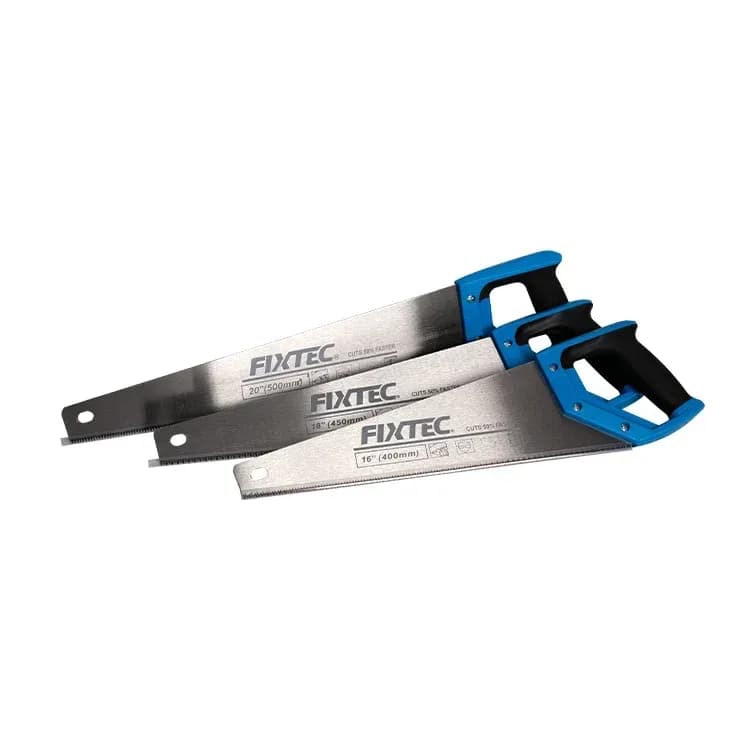
This hand saw is aimed at one problem every DIY user meets sooner or later: cutting mixed materials without reaching for a power tool. With 16, 18 and 20-inch options, the FIXTEC model gives you a longer stroke for faster progress on timber and sheet materials, while staying simple enough for quick site or home repairs.
FIXTEC has built a strong reputation in the AliExpress niche by focusing on practical workshop tools that feel usable rather than decorative. The brand usually lands in that middle ground between no-name basics and premium trade gear, which makes this saw relevant for users who want a straightforward tool from a recognised label.
65Mn steel: why it matters in daily use
The product title points to 65Mn steel, a material commonly chosen for hand saw blades because it balances hardness with spring-like flexibility. In practice, that means the blade is less likely to feel flimsy when you start a cut, and it should hold its shape better than very soft budget blades.
That matters most when working through timber, PVC or plasterboard, where a wandering blade can ruin the line before the cut is halfway done. Users who prefer manual tools for controlled cuts will likely appreciate that steadier feel, especially when working close to edges or marked lines.
Three sizes, three different cutting styles

The size choice is the most useful part of this listing, because a longer saw changes the way the tool works. A 20-inch version is better for faster rip cuts and broader strokes, while 16-inch models are easier to guide in tighter spaces and smaller repair tasks.
If you mainly trim skirting, cut plastic conduit or shape plasterboard offcuts, the shorter versions are easier to handle one-handed. For shed work, carpentry prep or rough timber cutting, the longer blade should feel more efficient, so the right size depends on where the tool will spend most of its time.
Rubber grip: small detail, real control
The listed rubber material is most likely linked to the handle or grip area, and that is one of the details that affects comfort most. A softer grip can reduce hand fatigue and help the saw feel more secure when you are pushing through denser material or working with damp gloves.
That kind of control is easy to overlook until the cut starts biting and your wrist begins to work harder than expected. For hobby users and trade buyers alike, a comfortable handle can matter as much as blade length, which is why this detail deserves attention before choosing a size.
Best suited to straight cuts, not finesse finishing

This is a general-purpose hand saw, so it makes the most sense for straight, practical cuts rather than ultra-fine joinery. Compared with a Japanese pull saw or a specialist fine-tooth panel saw, it is likely to favour speed and versatility over razor-thin finishing accuracy.
That trade-off is useful if you want one tool for mixed jobs in a garage, rental property or renovation kit. According to customers on similar FIXTEC hand tools, the appeal is usually in getting a usable, no-fuss tool that does the job without adding complexity, and that is exactly the kind of role this saw appears to fill.
What to check before you get one
Because the listing does not specify tooth count or blade thickness, buyers should choose based on task rather than expecting a highly specialised cutting profile. If you need one saw for timber, PVC and plasterboard, this flexible positioning is helpful; if you need precision joinery, a dedicated fine-cut saw will still be the better match.
For the money, the value comes from broad usability and the FIXTEC name rather than from advanced features. That makes it a sensible workshop staple, but the real question is which length will suit your cutting style best?