










Compact cutting power for workshops that need flexibility
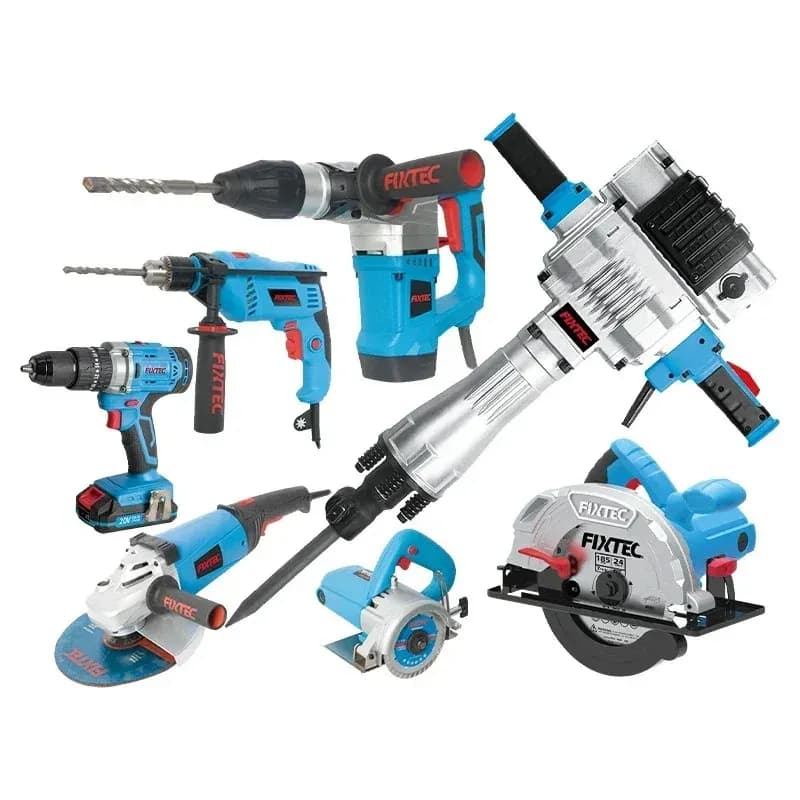
This saw solves a common problem in the AliExpress UK market: getting table-saw performance without committing to a large fixed machine. FIXTEC packages an 1800W motor, a 250mm blade format, and a portable frame into a tool that can move between a garage bench, a retail workshop, and a jobsite.
The result is a machine that feels aimed at practical woodworking rather than showroom flash. If your work involves trim, sheet breakdown, or repeatable straight cuts, the appeal is clear, but how does the 5000rpm drive translate on real timber?
5000rpm and 1800W: what that means on timber
The no-load speed of 5000rpm suggests brisk blade recovery, which helps keep cuts cleaner when the feed rate is steady. In practice, that matters most on softwood, plywood, and general carpentry stock, where a slower saw can leave more tear-out or feel hesitant under load.
The 65mm cutting capacity gives the machine enough headroom for common framing and workshop tasks, while the 85mm figure likely reflects a more optimistic setup condition. Users comparing it with smaller benchtop saws will notice the extra breathing room, especially when processing thicker boards or stacked material, so what does the table layout contribute?
Table size and sliding support: why stability matters
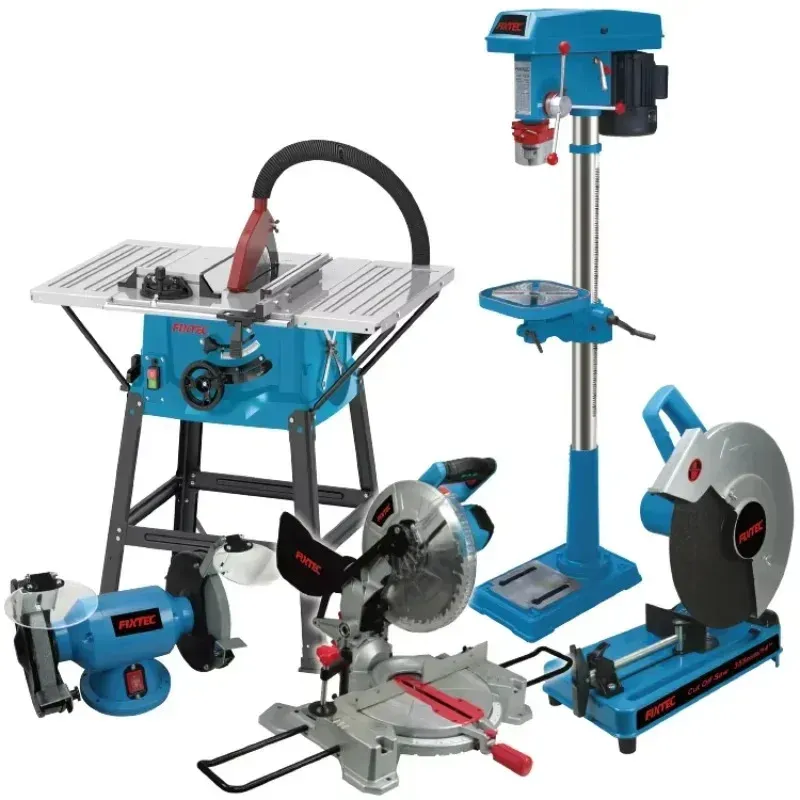
The 642 x 487mm table is not oversized, but it is practical for a portable saw that needs to stay manageable at 22kg. A flatter, wider work surface improves control on longer boards, and that is where this model should feel more confident than compact hobby saws with cramped tops.
The sliding panel design is the key clue here, since it helps guide material with less wandering at the cut line. That can reduce the need for constant hand correction, which is useful when you want repeatable results rather than one-off rough cuts, but portability brings its own trade-offs.
Portable format with workshop-minded limits
At 22kg, the saw is light enough to shift without turning every move into a two-person job, yet still substantial enough to sit firmly during use. The 70 x 57 x 33cm footprint also makes storage easier for smaller workshops that cannot dedicate a full bay to a cabinet saw.
This is not a substitute for a heavy-duty cabinet machine, and that distinction matters. The plastic construction keeps weight down, but it also means the tool is better suited to controlled general-purpose cutting than to all-day industrial abuse, which leads to the question of who gets the most from it?
Who this FIXTEC saw suits best
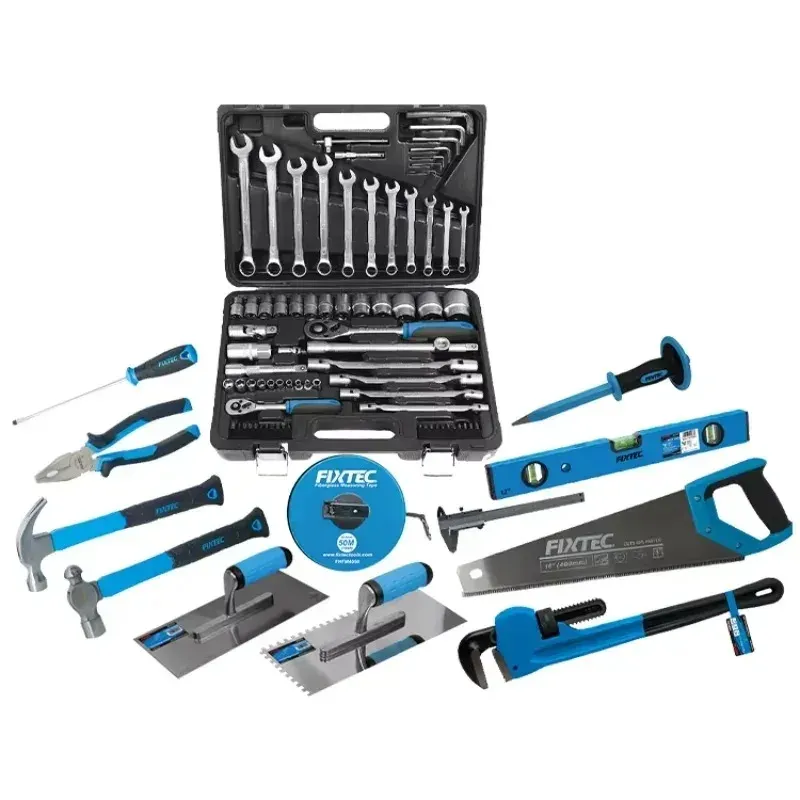
For home users, small building material shops, and light manufacturing tasks, the specification set is strong enough to justify attention. According to users, FIXTEC tools often win points for straightforward operation, and this saw follows that pattern with a design that looks built for quick setup rather than complex calibration.
It is also a sensible option for buyers who want a single machine for wood and tile-cutting style workflows, provided the blade and material pairing are appropriate. The included machinery test report and video outgoing inspection are reassuring signs in a category where consistency can vary, so what should buyers watch before they get started?
What to check before the first cut
The 230V supply requirement makes it suitable for standard UK workshop power, but the motor load means extension leads should be chosen carefully. The 250 x 30mm x 24T blade spec points to a general-purpose setup, so users focused on fine cabinetry may want a higher-tooth alternative for smoother finishing.
Warranty coverage is split between a 2-year product warranty and a 1-year core-components warranty, which is useful to note when comparing it with simpler budget saws. That gives the FIXTEC model a more credible long-term profile than many entry-level imports, and the details become even clearer when you look at the practical strengths and limits together.