









Built for lifting jobs that need control, not guesswork
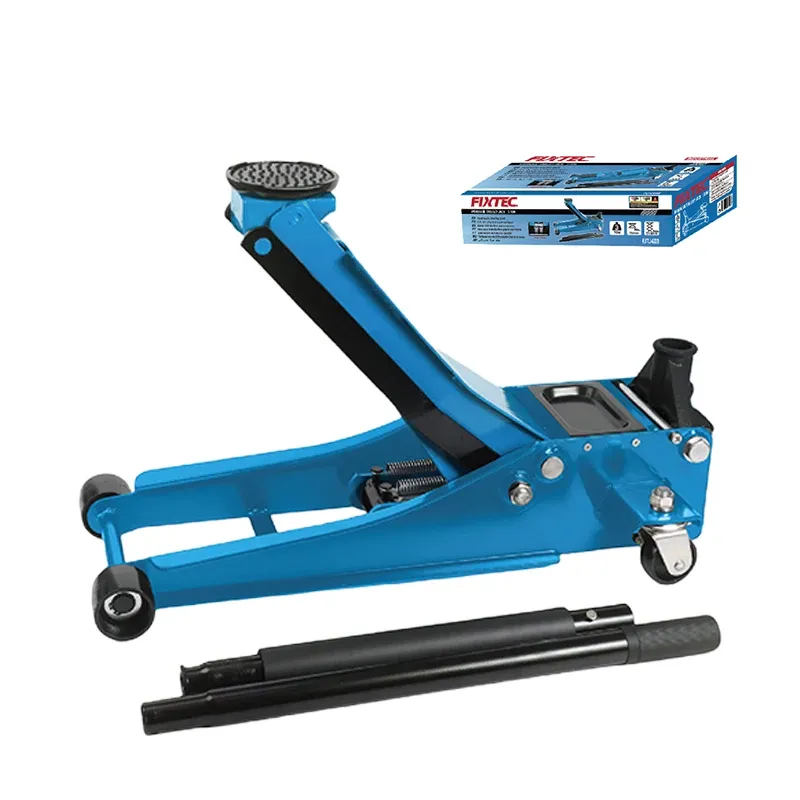
This jack solves a familiar workshop problem: getting a vehicle up quickly, then holding a stable working height without fighting the handle. FIXTEC positions it as a serious garage tool rather than a roadside emergency jack, and that matters when you want smoother, safer lifting under a car.
Its 3-ton rating gives it enough headroom for most passenger cars, SUVs, and light commercial tasks, while the steel chassis keeps the frame feeling purposeful rather than flimsy. For AliExpress UK readers comparing workshop gear, that combination usually points to a tool meant for repeated use, so what does the dual-pump system change in practice?
Dual-pump action and what it means under load
The dual-pump hydraulic setup is the feature that should save the most time, especially when the saddle needs to travel from a low starting point to the lift point on a vehicle. In practical terms, fewer handle strokes mean less effort before the wheels leave the ground, which is welcome in a busy repair bay or home garage.
That faster rise is useful on cars with modest ground clearance, where a slower single-piston jack can feel tedious. Users generally value this kind of mechanism because it reduces fatigue during repeated lifting cycles, and the benefit becomes clearer when you are changing multiple wheels or working through inspection jobs.
Low entry height for everyday vehicles

The 3-inch minimum height is a useful detail because it makes the jack more compatible with cars that sit close to the floor. Lower sedans and modified vehicles can be awkward with taller jacks, so this profile helps the saddle slide in without needing to drive onto ramps first.
That low starting point also improves convenience in tight garages where space is limited and every movement counts. If your current jack often meets the side skirt before the saddle reaches the jacking point, this specification is the one to watch, and the next question is how the steel build supports long-term use?
Steel construction for workshop-style durability
The steel body is the part that should inspire the most confidence, because a floor jack takes repeated impact from rolling, lifting, and lowering. A solid frame usually translates into less flex at the handle and a more planted feel when the load comes up, which is exactly what users want in a repair environment.
FIXTEC also backs the unit with a one-year warranty, which is a practical signal for buyers who expect regular use rather than occasional trunk storage. It does not make the jack indestructible, but it does suggest the brand expects the tool to handle real workshop duty, so where does it fit best?
Where this trolley jack makes the most sense
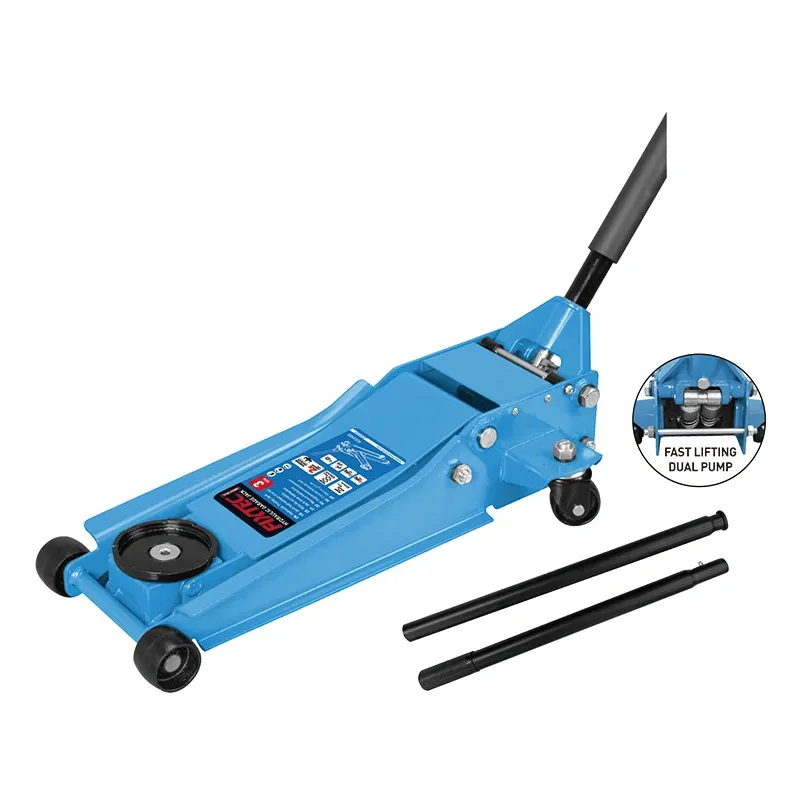
This model suits home mechanics, tyre-change stations, and small workshops that need a straightforward hydraulic lift with no electrical dependency. Because it uses manual hydraulic power, it remains useful in places where compressed air or battery tools are not available, which is a real advantage for portable service work.
The color-box packaging also hints at a product aimed at retail-ready delivery and storage, not just bulk industrial supply. According to customers on similar FIXTEC workshop tools, the brand tends to land well when the user wants functional hardware first and decorative extras last, and that is exactly the angle here.
What to check before you get it
- Confirm your vehicle’s jacking point height against the 3-inch minimum entry.
- Use axle stands after lifting, since the jack is a lifting tool, not a support stand.
- Keep the hydraulic mechanism clean and inspect the handle and wheels before each job.
- Expect the best results on flat, hard surfaces rather than gravel or soft ground.
Those checks matter because a floor jack performs best when the workspace is prepared, not improvised. If your garage setup matches those conditions, the FIXTEC format starts to make a lot more sense, doesn’t it?