







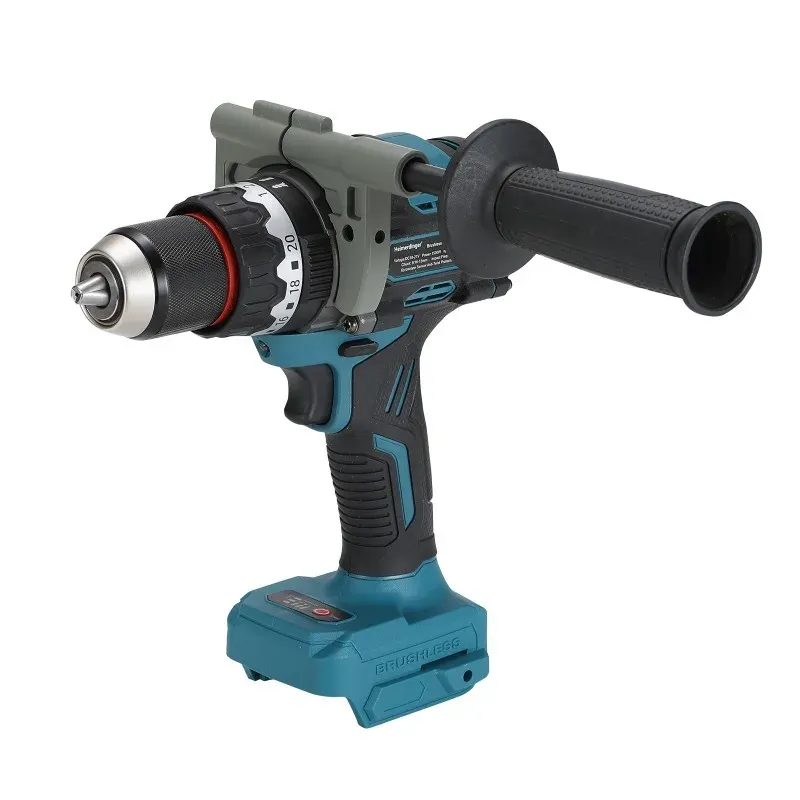



When masonry work needs cordless freedom
This rotary hammer solves a common renovation problem: you need real impact power, but you do not want to drag a cord across scaffolding, dust, or unfinished rooms. With an 18V brushless motor and 3.2J impact energy, it is built for drilling into concrete and brick where a standard drill starts to stall.
The body-only format makes sense for users already inside a compatible battery system, especially on renovation jobs where mobility matters more than a full kit. That approach keeps the tool lighter and more focused, and the next question is how that power translates at the bit?
3.2J impact energy and 4,500 bpm: what the numbers feel like
In practice, 3.2J gives the hammer enough bite for anchor holes, fixings, and medium-duty masonry work without feeling underpowered. The 0-4500 impacts per minute range helps the bit keep cutting through dense material instead of polishing the surface.
At 1200rpm no-load speed, the drill also has enough rotary pace for cleaner hole start-up when you switch to standard drilling mode. That combination is useful on mixed jobs, because you can move from pilot holes to hammer drilling without changing tools, but how controlled does it feel in the hand?
Brushless motor control with less noise and heat
The brushless copper-core motor is the feature that should matter most to anyone working for longer sessions. Brushless drives are typically smoother, generate less heat, and waste less energy than older brushed motors, which helps when you are drilling several holes in a row.
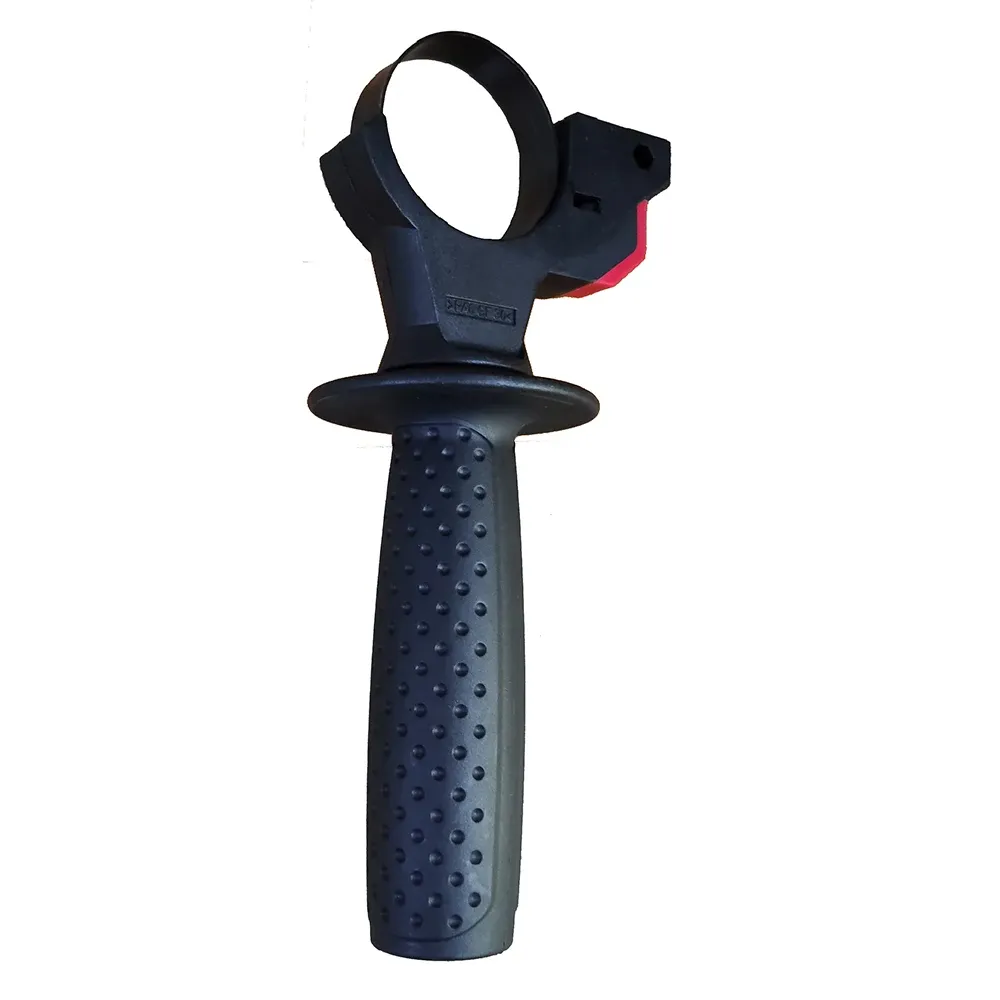
The product description also points to lower noise and more accurate speed control, which is valuable indoors where echo and dust make jobsite conditions uncomfortable. For users, that often means a steadier trigger response and less fatigue during repetitive work, so the safety features become the next practical detail.
Safety clutch and reverse switch for tighter control
A safety clutch is a serious advantage on a compact rotary hammer because it helps reduce wrist kick if the bit binds in reinforced concrete or hard aggregate. That matters more than marketing language, since sudden torque spikes are one of the main reasons smaller hammer drills feel tiring.
The positive and negative switch also adds flexibility for freeing stuck bits or backing out fasteners during renovation work. It is the kind of feature that sounds minor until you need it on a ladder, and the SDS-Plus interface is what makes the whole system more usable.
SDS-Plus compatibility and the 26mm ceiling
The SDS-Plus chuck is the right choice for a tool in this class because it locks bits more securely than a standard drill chuck and transfers impact more efficiently. The stated maximum drilling diameter of 26mm places it in a practical zone for anchors, service holes, and general site installation rather than demolition.
That makes it a better fit than a compact impact drill when the surface is concrete or stone, while still being more portable than larger SDS-Max machines. If you already run Makita-style 18V packs, the battery note becomes the main thing to check before getting it.

Battery compatibility is the real buying filter
This model is sold without a battery in the package, so the value depends on whether you already own compatible 18V packs with enough capacity. The listing specifically mentions BL1840, 1850, and 1860 compatibility, and says the battery should be above 4.0Ah for proper use.
That requirement is important because a heavy-duty hammer motor can drain smaller packs quickly under load. According to the single available customer review, the build left a strong impression on a professional user, which supports the idea that the tool is aimed at serious workshop and renovation work rather than casual DIY.
Weight, handling, and where it fits in a toolkit
At 2.65kg for the body, it is light enough to carry between rooms and onto ladders without feeling like a full breaker. The 33 x 23 x 24cm footprint also suggests a tool that stores neatly in a van or workshop shelf, especially if you already organise batteries separately.
For AliExpress UK readers comparing this with corded rotary hammers, the trade-off is clear: you gain mobility and lose the certainty of endless mains power. If your jobs are short, repeated, and spread across different spaces, that balance can be more useful than raw corded convenience.